Sweet potatoes are a popular food for people, but that doesn’t mean they’re a good choice for rabbits. Your bunny may be a herbivore, but rabbits still need the right balance of fiber, nutrients, and calories.
So, can rabbits eat sweet potatoes? A small piece is not usually toxic, but sweet potatoes aren’t a healthy regular food for rabbits. They contain a lot of starch and natural sugar, while rabbits need a diet based mainly on high-fiber hay and leafy greens.
If your rabbit has eaten a small piece, there is usually no need to panic. However, sweet potatoes should not become part of your rabbit’s normal diet.
Can a Rabbit Eat Sweet Potatoes?
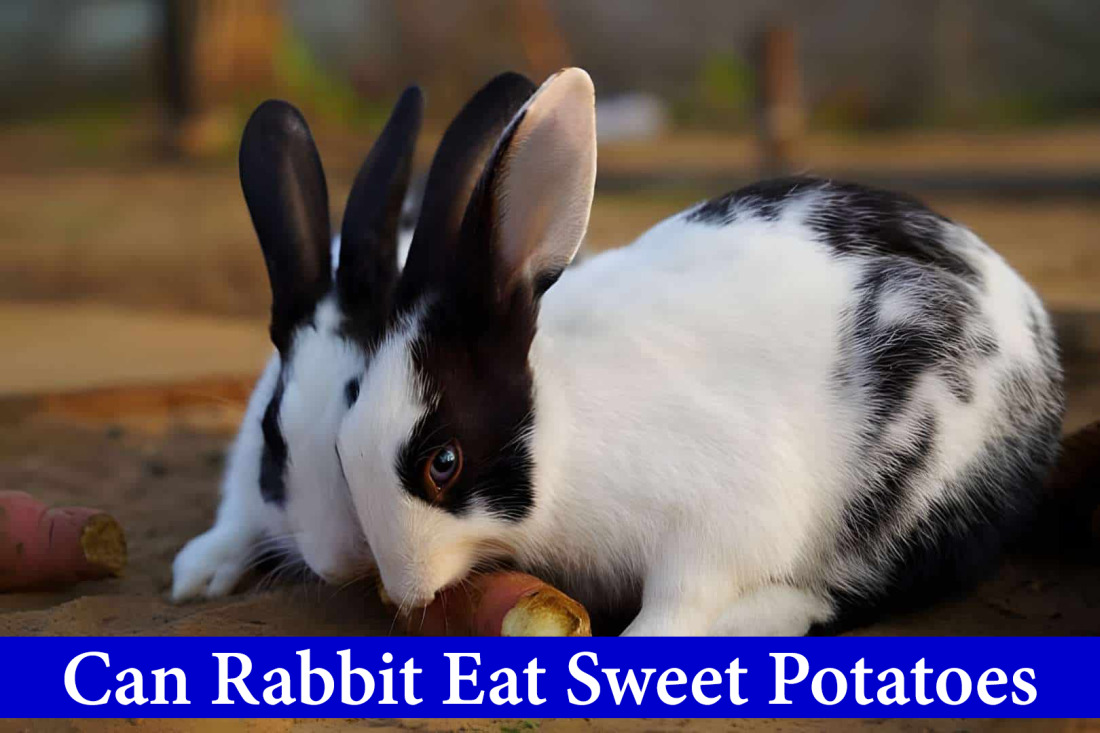
Rabbits can eat a very small amount of plain sweet potato as an occasional treat. Still, sweet potatoes are not one of the best vegetables for rabbits.
Sweet potatoes are high in carbohydrates and starch. A rabbit’s digestive system is designed to handle fibrous foods such as grass hay, not large amounts of starchy or sugary foods. Too much sweet potato may upset your bunny’s stomach and cause changes in their droppings.
Sweet potatoes also don’t provide anything your rabbit needs that they can’t get from healthier foods. If you decide to offer a little, give only a tiny piece and watch your rabbit afterward.
Why Aren’t Sweet Potatoes Good for Rabbits?
Rabbits need low-calorie, high-fiber foods to keep their digestive system moving properly. Hay should make up most of their daily diet, with safe leafy greens, a small amount of pellets, and limited treats.
Sweet potatoes contain more starch and sugar than rabbits need. Feeding them regularly may lead to:
- Soft stools or diarrhea
- Gas and stomach discomfort
- Weight gain and obesity
- Reduced interest in hay
- Changes in the helpful bacteria in the gut
- A higher risk of digestive problems
When a rabbit eats too many sugary or starchy foods, they may start refusing their normal diet. This is a concern because reduced eating can quickly become serious for rabbits.
Problems Caused by Feeding Too Much Sweet Potato
Gastrointestinal stasis
A diet that is too low in fiber and too high in carbohydrates can affect normal gut movement. Gastrointestinal stasis, also called GI stasis, happens when digestion slows down or stops.
Signs can include a loss of appetite, very small or missing droppings, bloating, discomfort, and unusual tiredness. GI stasis is an emergency. Contact a rabbit-savvy veterinarian right away if you notice these symptoms.
Diarrhea and soft stools
The starch and sugar in sweet potatoes may cause loose stools, especially if your rabbit eats too much or tries the food for the first time.
Diarrhea can quickly lead to dehydration. Stop offering the new food and provide plenty of fresh hay and water. Contact your veterinarian if diarrhea continues or your rabbit seems weak, painful, or refuses food.
Uneaten cecotropes
Rabbits produce soft nutrient-rich droppings called cecotropes, which they normally eat. A diet that contains too many treats and not enough fiber may cause uneaten cecotropes around your rabbit’s bottom.
Sticky droppings are a sign that your bunny’s diet may need to be adjusted. Sweet potato should never replace hay, grass, or leafy greens.
Weight gain
Sweet potatoes are more calorie-dense than many rabbit-safe leafy greens. Regular servings can cause your rabbit to gain weight, especially if they are already eating too many pellets or other treats.
Extra weight can make it harder for a rabbit to move comfortably and groom properly. It can also add stress to their joints and overall health.
How Much Sweet Potato Can a Rabbit Eat?
Sweet potato isn’t recommended as a regular rabbit treat, but a tiny piece may be offered once in a while if your rabbit tolerates it.
Start with less than a teaspoon, or a piece about the size of your fingernail. Watch your rabbit’s appetite, behavior, and droppings for the next day. If you notice soft stools, gas, or a change in eating habits, don’t offer it again.
A few small pieces are enough. Don’t give a large slice, a bowlful, or sweet potato on several days in a row. Treats should stay a very small part of your rabbit’s diet.
Baby rabbits and rabbits with sensitive stomachs should not be given sweet potato. Their diet should focus on the foods recommended for their age and health needs.
Can Rabbits Eat Sweet Potato Skin?
It’s better to avoid feeding sweet potato skin to your rabbit. The skin can be harder to digest, and it may contain dirt, pesticides, or other residue if it hasn’t been washed well.
If your rabbit accidentally eats a small amount of the skin, monitor them for digestive changes. Don’t offer the peel as a regular treat. There are many safer vegetables that provide more useful fiber and variety.
Can Rabbits Eat Raw Sweet Potato?
A small piece of plain raw sweet potato is not usually poisonous to rabbits. However, raw sweet potato is still high in starch and sugar, so it should only be offered in a very small amount, if at all.
Never give your rabbit sweet potato that has been cooked with butter, oil, salt, sugar, garlic, onions, spices, or other seasonings. Human foods prepared with these ingredients can be harmful to rabbits.
Plain cooked sweet potato is not a necessary food for rabbits either. Raw or cooked, it should remain an occasional tiny treat rather than part of a daily meal.
Can Rabbits Eat Sweet Potato Vines?
Rabbits can eat sweet potato vines when they are fresh, clean, and free from pesticides. The leaves and vines contain more fiber than the sweet potato itself, but they should still be introduced slowly.
Wash the vines well and offer a small amount first. Make sure they are truly sweet potato vines and not another garden plant. Do not give vines that have been treated with weed killer, insecticide, or other garden chemicals.
As with any new green, watch your rabbit’s droppings and appetite before offering more.
Healthier Alternatives to Sweet Potatoes
There are many better vegetables and herbs for your bunny. Offer new foods slowly, one at a time, so you can see how your rabbit reacts.
- Carrots: Rabbits often love carrots, but they are naturally sweet. Give small amounts as an occasional treat.
- Bell peppers: Green, red, yellow, and orange bell peppers provide variety and can be offered after removing the stem and seeds.
- Broccoli: Small amounts of broccoli can add fiber and variety, but stop if it causes gas or soft stools.
- Celery: Celery has a high water content and a crunchy texture. Cut it into small pieces to make the long strings easier to eat. You can also check Can Rabbits Eat Celery.
- Zucchini: Zucchini is low in calories and can be served raw in small pieces.
- Cucumber: Cucumber contains plenty of water and can be a refreshing occasional vegetable.
- Parsley: This herb can be offered in moderation as part of a varied diet.
- Spinach: Spinach should be given in small amounts and not as the main leafy green.
- Romaine lettuce: Romaine lettuce is a better choice than iceberg lettuce and can add moisture and variety to your rabbit’s meals.
Fresh grass hay should still make up most of what your rabbit eats. Safe vegetables are additions, not replacements for hay.
Before feeding any vegetable, wash it carefully and remove spoiled parts. Avoid foods treated with pesticides, and introduce new foods in small portions.
Frequently Asked Questions
Can rabbits eat sweet potatoes every day?
No. Sweet potatoes are too high in starch and sugar to be a daily food for rabbits. A tiny piece may be offered rarely, but hay and rabbit-safe greens are much better choices.
Are sweet potatoes poisonous to rabbits?
Sweet potatoes are not usually poisonous to rabbits in the same way that green or sprouted regular potatoes can be. They are still not a healthy food because of their high starch and sugar content.
A small accidental bite is usually not a reason to panic. Monitor your rabbit for diarrhea, bloating, loss of appetite, or unusual tiredness.
Can rabbits eat cooked sweet potatoes?
Rabbits should not eat sweet potatoes cooked with salt, oil, butter, sugar, garlic, onions, or spices. Plain cooked sweet potato is not toxic in a tiny amount, but it still isn’t a useful regular food for your rabbit.
Can rabbits eat regular potatoes?
No. Regular potatoes are high in starch and may be difficult for rabbits to digest. Green or sprouted potatoes, potato peels, leaves, and stems are especially dangerous because they may contain solanine.
Don’t give your rabbit raw potatoes, cooked potatoes, potato skins, or food made with potatoes.
What should I do if my rabbit eats sweet potato?
If your rabbit eats a small piece, remove the rest and offer their usual hay and fresh water. Watch their appetite, behavior, and droppings.
Contact a rabbit-savvy veterinarian if your bunny stops eating, produces fewer droppings, develops diarrhea, appears bloated, or seems weak or painful. These signs can point to a serious digestive problem.
Conclusion
Rabbits can eat a tiny amount of plain sweet potato, but it isn’t a healthy regular treat. Sweet potatoes contain more starch and sugar than your bunny needs, and too much may cause soft stools, weight gain, or digestive trouble.
Hay should always be the main part of your rabbit’s diet. Leafy greens, safe herbs, and low-sugar vegetables are better choices for regular variety.
If your rabbit has eaten a few small pieces, keep an eye on them and avoid offering more. For a healthy, happy bunny, stick with high-fiber foods and keep sweet treats very limited.