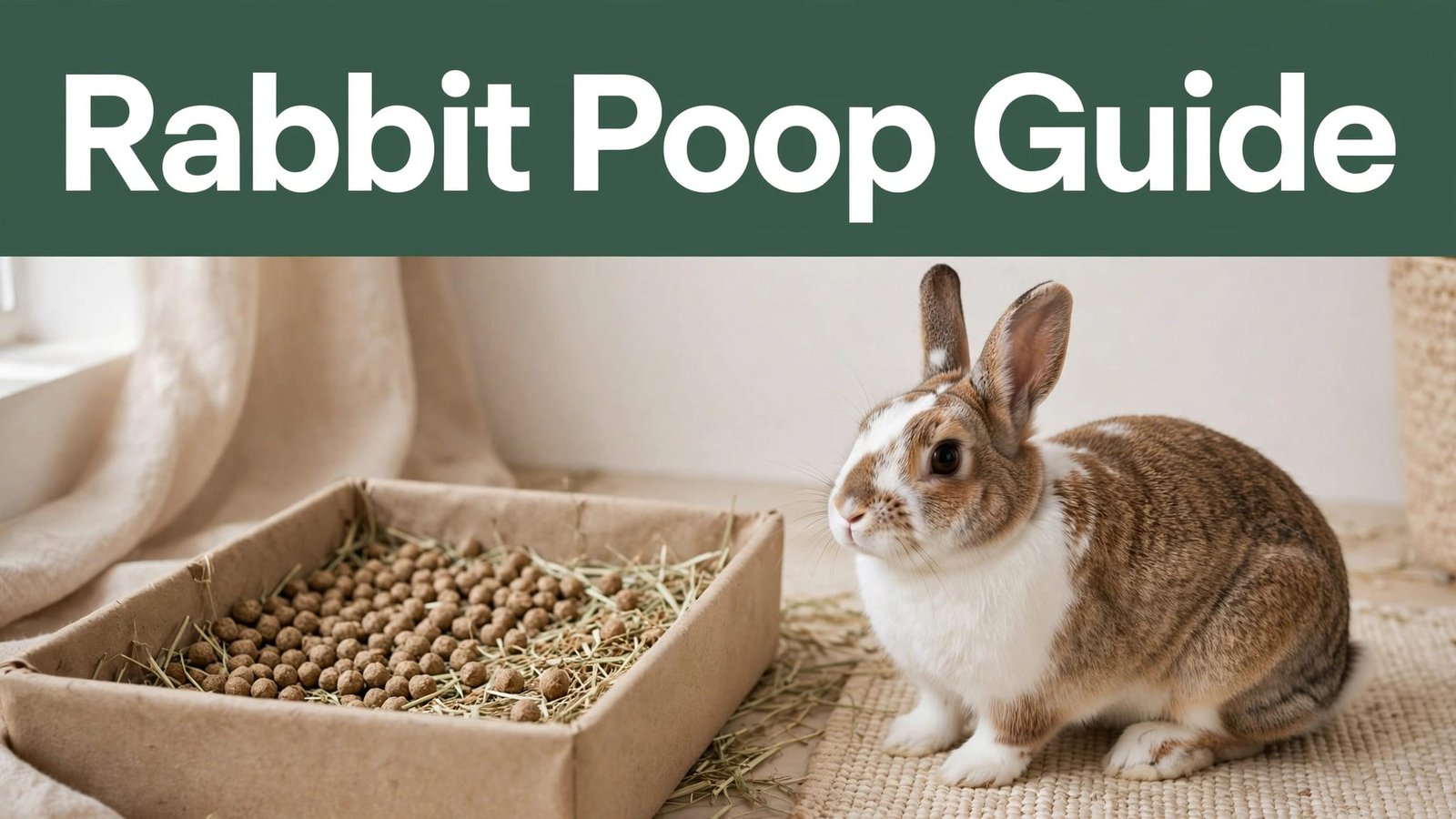
Your rabbit’s litter box tells a story every day. Rabbit poop may not be the most glamorous part of bunny care, but it is one of the quickest ways to notice a change in your furry friend’s health.
Most changes aren’t emergencies, but watery stool, blood, mucus, very small output, or no output at all deserve your attention. A quick daily litter-box check helps you notice when healthy poops change.
What normal rabbit poop should look like
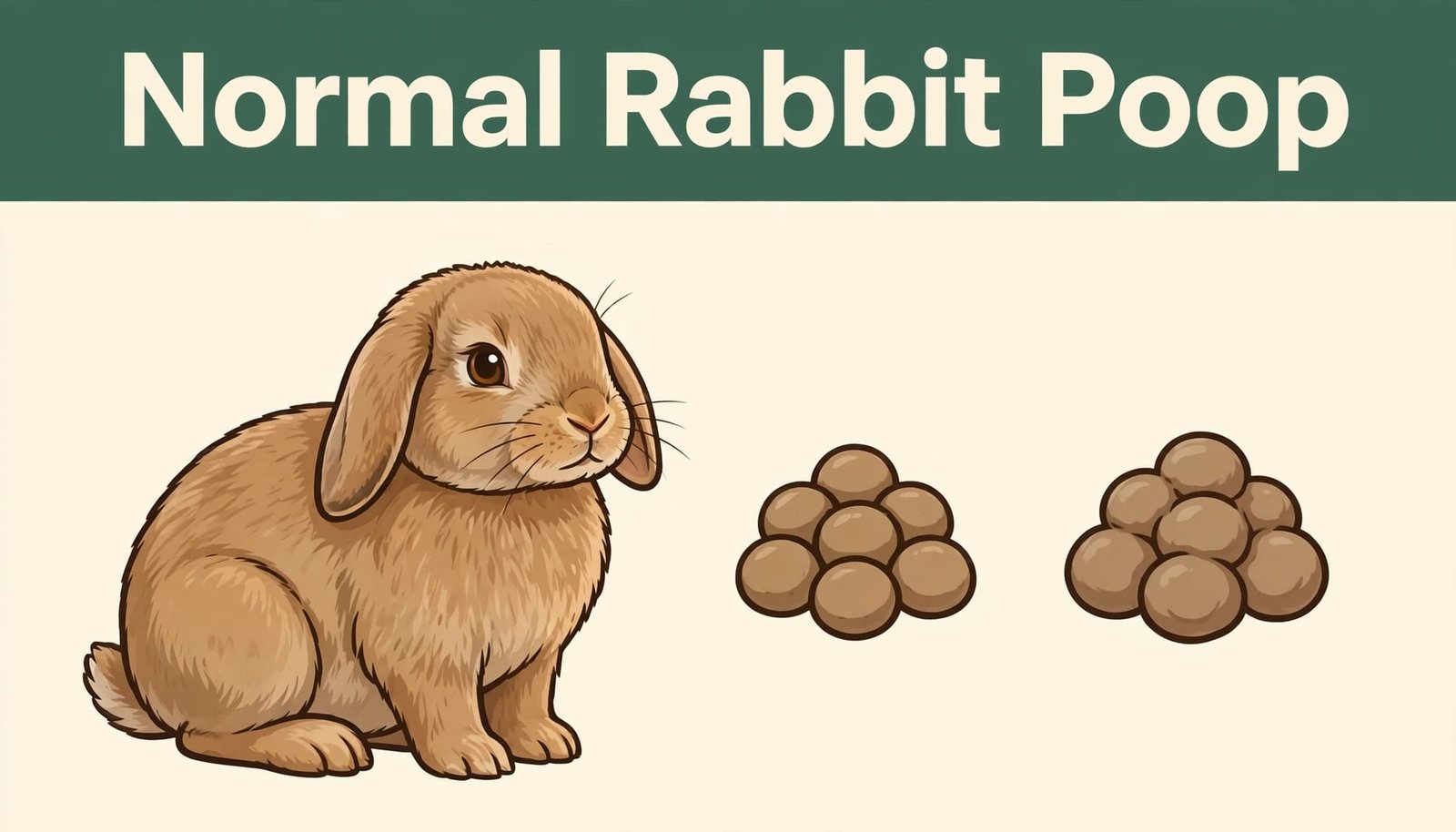
Healthy rabbits usually leave lots of neat little rabbit droppings behind. It can seem like a lot, and that is normal! A healthy average-sized rabbit may produce around 200 to 300 pellets in a day.
Normal pellets are usually:
- Round or slightly oval, with a similar size and shape.
- Dry on the outside and easy to pick up.
- Medium to dark brown, depending on your rabbit’s hay and greens.
- Crumbly if gently pressed, with visible plant fibers inside.
A rabbit eating plenty of hay will usually make steady, healthy poops. Think of the litter box as a small daily report card for healthy poops, hay intake, water intake, and digestive health.
Regular fecal pellets
The dry, round pellets you see most often are the regular type. They are fiber-rich, with roughage your rabbit has already digested and passed through the gut.
A few pellets may be a little lighter, darker, or misshapen now and then. That can happen after a new green, a stressful car ride, or a day with less hay. Look for the overall pattern, not one odd poop.
Cecotropes are normal too
Cecotropes look very different from the usual pellets. They are soft, dark, shiny clusters that look a little like a tiny bunch of grapes. These soft clusters contain nutrients produced during digestion.
Rabbits eat cecotropes directly, often at night or early morning. This is normal rabbit behavior, not a bad habit. These soft clusters help your bunny take in protein, B vitamins, and other nutrients that weren’t absorbed the first time around.
You may never see these soft clusters. That is usually a good sign because your rabbit is eating them as intended.
Cecal dysbiosis is a possible gut imbalance associated with recurring changes in cecotrope output. Appearance alone can’t diagnose it.
A healthy cecotrope is a soft cluster that your rabbit eats. True watery diarrhea is loose liquid stool and is never normal.
Why checking rabbit poop every day matters
Rabbits are prey animals, so they can hide illness well. Rabbit poop can change before your bunny looks obviously sick. A two-minute litter box check in the morning and evening is one of the easiest care habits you can build.
Pay attention to pellet size, amount, and texture. Also track hay consumption, water intake, movement, and whether your rabbit acts like themselves.
Know your bunny’s usual pattern
There is no single perfect pellet size for every rabbit. A Netherland Dwarf and a Flemish Giant won’t leave the same-sized poop. What matters most is learning what healthy poops look like for your rabbit.
Take a quick mental note when things are going well. Are the pellets plentiful? Is your bunny finishing hay? Are they bright-eyed and excited for breakfast? That normal pattern makes a sudden change easier to spot.
The House Rabbit Society’s guide to rabbit droppings also recommends watching for a drop in the usual number of fecal pellets, since it can point to a gut problem.
Hay keeps the gut moving
Rabbits are hind gut fermenters, so their digestive system depends on a steady flow of fiber. Unlimited grass hay, such as timothy hay for most adult rabbits, gives the gut something to work on all day.
Too many sugary treats, rich pellets, or sudden dietary changes can upset that balance, so introduce new foods gradually. An imbalanced gut environment may contribute to cecal dysbiosis, but that isn’t a diagnosis by itself. VCA’s guidance on gastrointestinal stasis notes that diets high in carbohydrates and low in fiber can cause digestive trouble.
Fresh water, daily movement, and regular brushing during heavy shedding also help support a healthy routine. Brushing removes loose fur before your bunny swallows too much of it while grooming.
Small pellets and fur-linked chains
A rabbit’s healthy poops are usually consistent in size and number. A sudden drop in pellet size can mean your bunny is eating less than usual. The pellets may be dry, hard, and much smaller than your rabbit’s usual output. This can happen when your bunny is stressed, dehydrated, in pain, or not eating enough hay.
Don’t brush off a litter box full of tiny pellets as a minor issue, especially if your rabbit is quieter than usual or ignoring food.
When pellets are small and hard
Offer fresh hay and water right away, then watch your rabbit closely. Check that they’re still eating, pooping, and behaving normally.
Call a rabbit-savvy veterinarian promptly if small hard poops continue, become fewer, or come with a lower appetite. Dental pain, illness, and gut slowdown can all make a rabbit eat less. An imbalance called cecal dysbiosis can also affect stool patterns, but it doesn’t explain every case of reduced output.
Don’t force-feed or give human medicines unless your vet has told you to do so for your rabbit. The cause matters.
What a string of pearls can mean
A chain of fecal pellets linked by swallowed fur can appear during a molt, when your bunny is shedding heavily.
One or two sets of fur-linked pellets can happen. Regular grooming is helpful during shedding season. But fur-linked pellets combined with reduced eating, fewer droppings, or low energy are more concerning.
A rabbit’s gut should keep moving. The Rabbit.org GI stasis resource lists very small or absent fecal pellets as possible signs of gastrointestinal stasis, which needs fast veterinary care.
Rabbit poop warning signs that need a vet
Some changes in rabbit droppings can wait for a phone call during office hours. Others are urgent. Trust your instincts if your bunny seems unwell. Rabbits can get worse quickly when they stop eating or their gut slows down.
Watery diarrhea, mucus, or blood
True watery diarrhea is an emergency. Soft cecotropes stuck to fur are not the same as watery diarrhea. Loose liquid stool can lead to dehydration and may be linked to several serious gastrointestinal conditions.
Mucus-covered poop or blood in droppings needs veterinary advice, and these changes warrant a prompt veterinarian consultation. Recurring soft stool may be associated with cecal dysbiosis, but appearance alone can’t diagnose the cause. Keep your rabbit warm and calm, offer water and hay if they are willing, and contact a rabbit-savvy vet.
VCA’s rabbit health information makes the same useful distinction: soft clusters are softer than fecal pellets, but they shouldn’t be confused with diarrhea.
No poop plus no appetite is urgent
A rabbit who has stopped eating and stopped producing droppings needs urgent help. Don’t wait overnight to see if it passes.
Watch for these signs too:
- Your rabbit refuses favorite foods or ignores hay.
- Pellets become tiny, sparse, or disappear, or you notice repeated soft misshapen poops.
- Your bunny sits hunched, seems painful, grinds teeth, or has a bloated belly.
- They are weak, cold, or much less active than normal.
Call an emergency veterinarian or rabbit-savvy veterinarian right away. A rabbit that isn’t eating and isn’t pooping may have gastrointestinal stasis or another painful health problem. This article doesn’t diagnose the cause from poop alone.
Uneaten cecotropes and white urine sludge
Finding the occasional soft cluster is not always a problem. Your rabbit may have been interrupted, startled, or simply missed it. Repeated piles of uneaten cecotropes are different.
Check if your bunny can reach and clean their bottom. Extra weight, arthritis, dental pain, a rich diet, parasites, or digestive upset may make them harder to reach or eat. Cecal dysbiosis may also be associated with recurring soft material.
A messy bottom needs gentle attention
Never give your rabbit a full bath for a dirty bottom unless a veterinarian directs you. Rabbits can become stressed and chilled easily.
If the fur is lightly soiled, gently spot-clean it with a damp cloth and dry the area well. For sticky poop, diarrhea, or sore skin, call your vet. Your rabbit may need more than a clean-up.
A healthy diet with unlimited hay, measured pellets, and sensible treats often helps prevent ongoing soft clusters. Make food changes slowly so your bunny’s gut has time to adjust.
White deposits are urine, not poop
You may also notice thick white deposits or chalky sludge in the litter box. This material is urine-related, not fecal. Rabbits can pass extra calcium through their urine, so a little cloudy or chalky urine can occur.
Persistent thick deposits, straining to urinate, wet fur, pain, or a reduced appetite needs a veterinary check. Don’t assume it’s harmless if your rabbit looks uncomfortable.
Can rabbit manure be used in the garden?
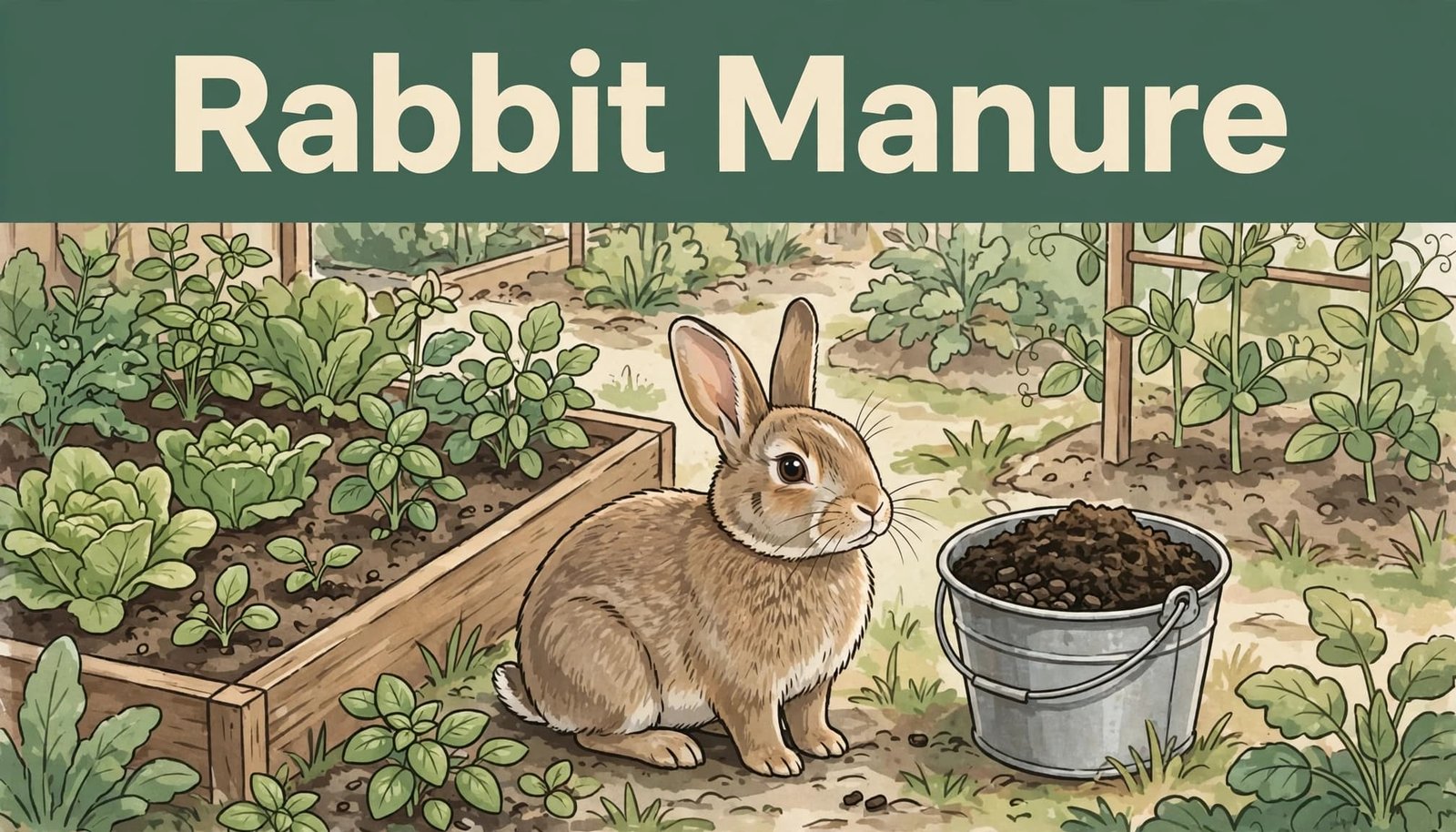
Yes, rabbit manure can be useful in a garden, but your bunny’s health comes first. Only collect clean droppings from a healthy rabbit, and keep litter, urine-soaked bedding, and soiled cecotropes out of material used around food crops.
Rabbit manure contains nutrients, but its exact value changes with the rabbit’s diet and bedding. Treat it as a soil amendment, not a complete garden fertilizer. Composting it first is the simple, safer choice for vegetable beds and potting mixes.
Compost it with dry materials
Add rabbit manure to a compost pile or composting bin with dry leaves, straw, shredded untreated paper, or cardboard. These carbon-rich materials balance wetter manure and bedding.
Keep the pile lightly damp, like a wrung-out sponge, and turn it when it becomes packed down. Finished compost should be dark, crumbly, and smell earthy, not sour or unpleasant.
Research published through the National Library of Medicine found that composted rabbit manure may work as a peat substitute in growing media. That doesn’t mean you need to replace all potting soil with manure. A small amount of finished compost mixed into potting soil is plenty.
Be careful around food crops
Finished compost is the best option for lettuce, carrots, herbs, and other edible plants. Wash all homegrown produce before eating it, even if you only used finished compost.
If you choose to use raw rabbit manure, follow local garden and food-safety guidance. Keep it off leaves and edible parts of plants. Give the soil time before harvest, especially for root vegetables and low-growing crops.
Frequently Asked Questions
How many poops should a rabbit make in a day?
A healthy average-sized rabbit may produce around 200 to 300 dry fecal pellets each day. The exact amount varies, so your rabbit’s usual pattern matters most.
Are soft rabbit poops normal?
Soft, dark, shiny clusters are cecotropes, and rabbits normally eat them directly. True watery diarrhea is different and needs urgent veterinary attention.
What should I do if my rabbit has tiny or fewer poops?
Offer fresh hay and water, then watch your rabbit closely for changes in appetite, activity, and output. Call a rabbit-savvy veterinarian promptly if the small or sparse poops continue, especially if your rabbit is eating less or seems uncomfortable.
When is rabbit poop an emergency?
Watery diarrhea, blood or mucus, or no poop combined with no appetite requires prompt veterinary advice. A rabbit that is hunched, weak, bloated, painful, or much less active may need emergency care.
Can rabbit poop go in the garden?
Clean rabbit manure can be useful as a soil amendment, but composting it with dry materials is the safer choice for food gardens. Keep litter, urine-soaked bedding, and soiled cecotropes out of compost used around edible crops.
A small daily check can protect your bunny
Rabbit poop should be dry, round, and plentiful, showing that your bunny is producing healthy poops on a hay-filled diet. Soft nutrient clusters are normal, and your bunny should usually eat them without help.
The most helpful rule is simple: a sudden change in poop plus a change in appetite or behavior needs attention. When pellets become tiny, watery, bloody, mucusy, or absent, contact a rabbit-savvy veterinarian without waiting.