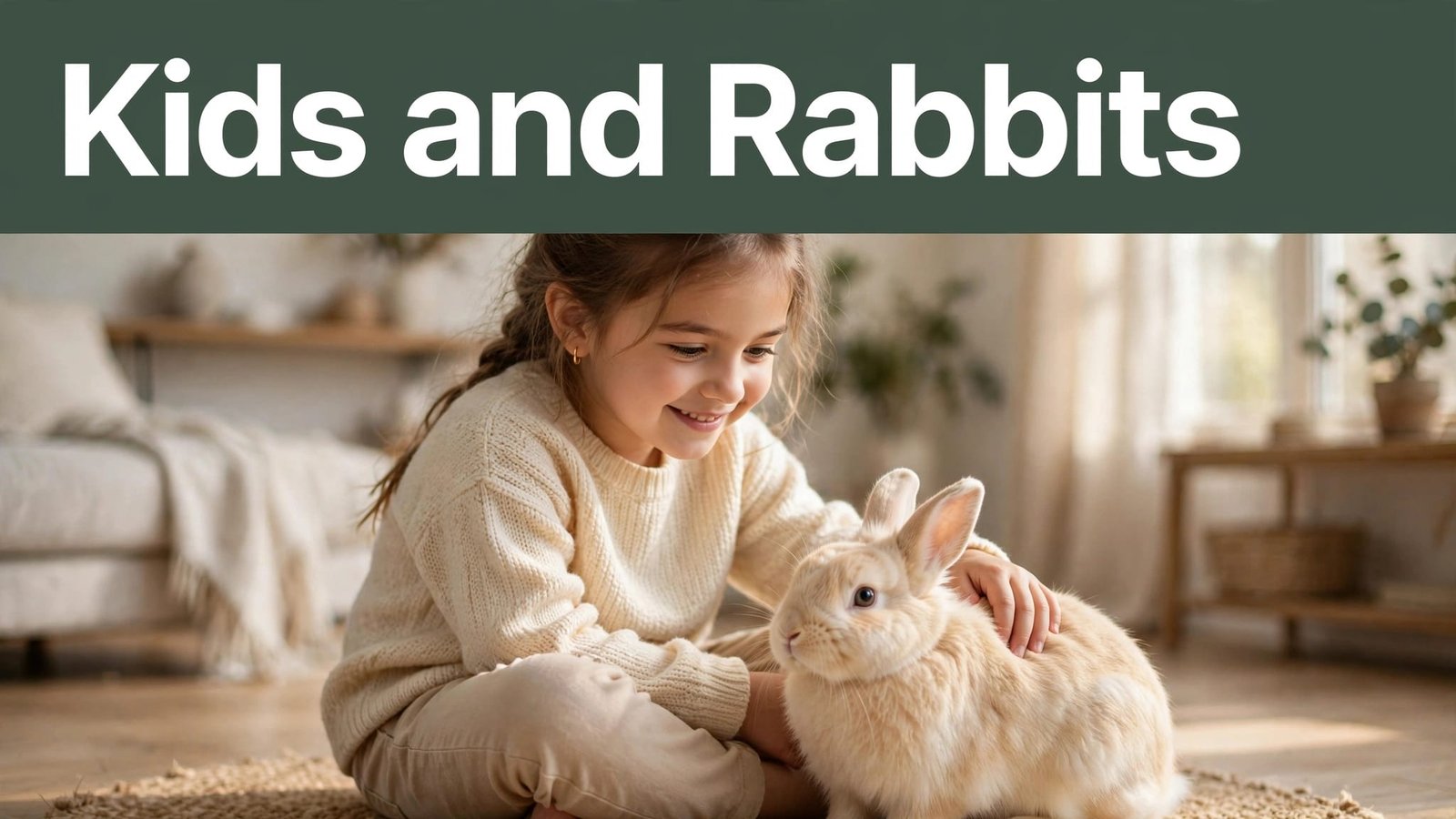
Rabbits can be gentle, social, and sweet family pets, but they are not low-maintenance starter pets or toys. If you are asking, are rabbits good with kids, the honest answer is yes for some families, as long as adults are ready to handle the daily work.
Your bunny will depend on the grown-ups for food, housing, veterinary care, safe handling, and supervision. Children can build a lovely bond with a rabbit, but the rabbit’s comfort and safety must always come first.
A happy family rabbit needs calm care, plenty of space, healthy food, and a home that understands bunny behavior.
Are Rabbits Good Pets for Kids? Start With Their Real Needs
A rabbit can do well in a family home when the child is mature enough to be gentle and the adults are fully committed. Every bunny has a different personality. Some enjoy sitting near people and asking for head pets. Others prefer space and floor-level companionship.
Rabbits need daily care, exercise, enrichment, social time, and a predictable routine. They can become frightened by loud voices, fast movements, rough play, and being picked up. The House Rabbit Care and Behavior guide is a helpful place to learn more about normal rabbit habits before bringing one home.
Adoption can also be a kind choice when your family is ready for a long-term commitment. Rabbits need a forever home, not a short holiday surprise.
Are Rabbits Good With Kids When Adults Set Clear Rules?
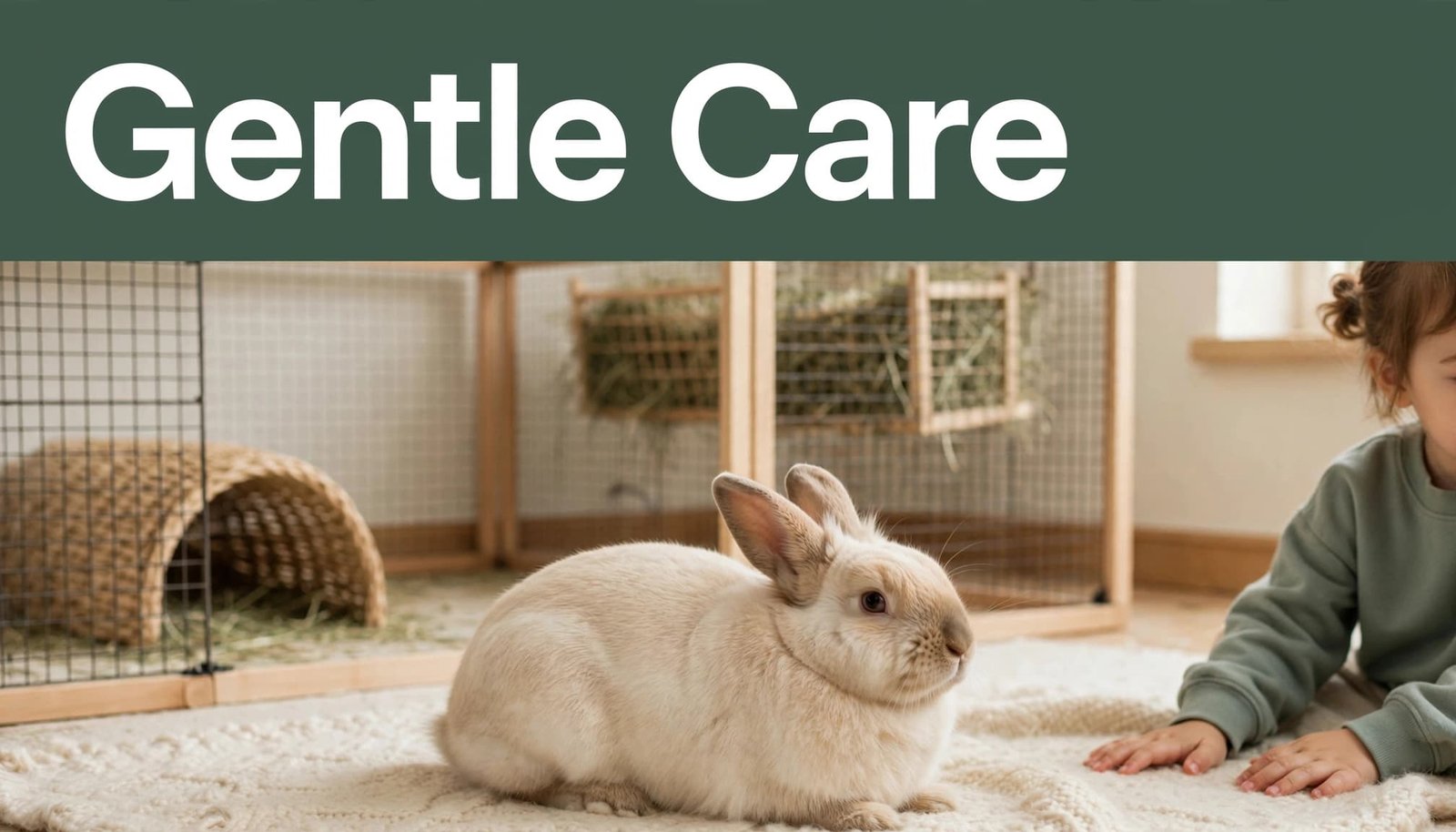
Rabbits can form close bonds with children who understand how to slow down. A child who sits on the floor, speaks softly, and lets the bunny come over is much less scary than a child who rushes toward them.
Teach children to watch for simple signs. A relaxed rabbit may stretch out, groom, or gently nudge a hand. A scared rabbit may freeze, thump, flatten its ears, hide, or try to run away.
Children should never chase, squeeze, carry, corner, or pull at a rabbit. They also need to leave their furry friend alone while eating, resting, using the litter box, or hiding. Every interaction needs adult supervision, especially with toddlers and younger children.
Are Rabbits Safe Around Children in the Home?
Parents often ask, are rabbits safe around children? They can be, but safe contact depends on supervision and a rabbit-friendly setup. The safest place for a child to meet a rabbit is usually on the floor, with the child sitting down and the rabbit free to hop away.
A frightened rabbit may scratch or bite to protect itself. On the other side, a child can accidentally hurt a rabbit by dropping it or holding it the wrong way. Rabbits have delicate spines, so picking them up is not a child’s job.
Keep cords covered, block narrow gaps, and keep cleaning products out of reach. Dogs, cats, and other pets should never have unsupervised access to the rabbit, even if they seem friendly.
The Benefits of Having a Rabbit as a Family Pet
Rabbits can bring a lot of joy into the home. They are usually quieter than dogs, can learn litter habits, and have funny little personalities that make daily life more interesting. A bunny might race around the room, toss a toy, or flop down for a nap beside the family.
Many rabbits enjoy indoor life when they have room to move, a safe place to hide, and people who respect their space. The Rabbit Welfare Association’s new owner guide has useful reminders about companionship, housing, exercise, and the full cost of rabbit care.
How Rabbits Can Teach Gentle Care and Responsibility
Daily rabbit care gives children simple ways to help. A child can refill a hay rack, refresh water with an adult nearby, prepare approved leafy greens, or help tidy the area around the litter box.
Older children can also watch for changes in appetite, water use, energy, and droppings. That is a helpful habit because rabbits can hide illness well. Smaller poops, less eating, a hunched posture, or a bunny who suddenly seems withdrawn deserve attention.
Adults still need to check every task. They should handle feeding decisions, grooming, nail trims, medication, and all veterinary care. A child can participate, but should never be the rabbit’s only caregiver.
Why Rabbits Can Be Calmer Than Many Traditional Pets
Rabbits do not need neighborhood walks or a backyard for daily exercise. That can make them a good fit for families who want an indoor companion. Still, a rabbit needs time to hop, explore, dig, chew, and play every day.
A roomy exercise pen or rabbit-proofed room is much better than a small cage. Add hiding boxes, tunnels, cardboard, safe chew toys, soft rugs for traction, and a clean litter area. A bunny who has space to move is more likely to feel comfortable around the family.
A rabbit who chooses to sit near your child is showing more trust than a rabbit who is held against its wishes.
The Challenges Families Should Know Before Adopting
Rabbits are adorable, but they are also a serious commitment. They can live for many years, need regular supplies, and may need urgent treatment if they stop eating or their digestion slows down.
Budget for unlimited grass hay, measured pellets, fresh greens, litter, housing, enrichment, grooming supplies, spaying or neutering, and veterinary visits. Rabbit care is different from dog or cat care. A clinic that sees rabbits regularly is a much better match when your bunny is sick.
The House Rabbit Society keeps rabbit care education and rabbit-savvy veterinary resources available for families who need help finding appropriate care.
Are Rabbits Easy Pets for Kids? Daily Care Says Otherwise
No, are rabbits easy pets for kids is not a question with a simple yes. Their routine is manageable, but it is not effortless. Rabbits need fresh water, unlimited suitable hay, measured pellets, approved vegetables, litter cleaning, exercise, grooming, and daily observation.
Hay is the foundation of a healthy rabbit diet. It supports steady digestion and helps wear down continuously growing teeth. Timothy, orchard, meadow, and oat hay are common grass hay choices for adult rabbits.
A rabbit that eats less hay or refuses food needs prompt attention. Poor appetite can be linked to digestive trouble, dental pain, stress, infection, or another health problem. Waiting until the next day can be risky when a bunny seems unwell.
Rabbits Need Space, Social Time, and a Bunny-Proof Home
A small hutch or cramped cage is not enough for a full-time home. Your rabbit needs solid flooring, a litter box, a hay area, a hiding space, and enough room for full hops and playful zoomies.
Protect electrical cords, baseboards, carpets, houseplants, books, remote controls, and cleaning supplies. Rabbits chew because it is natural bunny behavior, not because they are being naughty. Give them safe chewing outlets before they find their own.
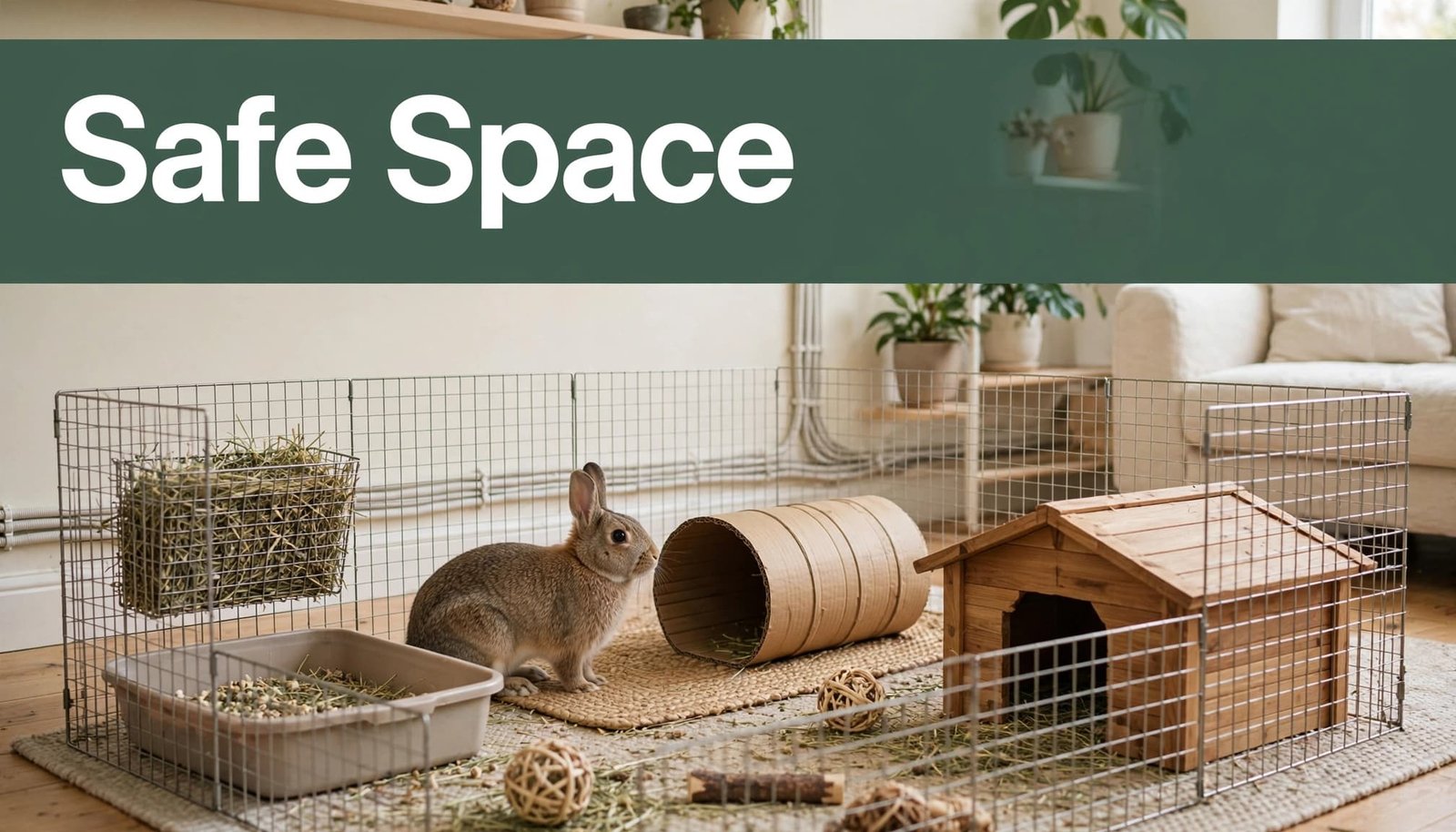
Rabbits are social animals, and many do well with a carefully bonded rabbit companion. Bonding needs time, neutral space, and close supervision. Never place unfamiliar rabbits together and hope they will work it out. Check out this article on creating a great space for your rabbit
How to Decide If a Rabbit Fits Your Family
The right rabbit family is not always the family with the most excited child. It is the family with time, patience, space, and adults who can take over every part of care when life gets busy.
Think about your child’s age, allergies, school schedule, housing rules, budget, other pets, and vacation plans. Consider whether everyone can accept a rabbit who may prefer being petted on the floor instead of cuddled in someone’s arms.
Meeting rabbits through a reputable rescue is a great first step. You can see different personalities, ask questions, and learn how to interact safely before making a decision.
Questions to Ask Before Bringing Home a Rabbit
Talk through the practical details as a family. A clear plan prevents the rabbit from becoming an adult’s surprise responsibility later.
- Who will refill hay, water, and food every day, including busy school mornings?
- Who will pay for checkups, spay or neuter surgery, and emergency treatment?
- Where will the rabbit exercise safely each day?
- Can the home be bunny-proofed before the rabbit arrives?
- Who will care for the bunny during vacations, illness, or a hectic holiday season?
- Can your family respect a rabbit that enjoys company but dislikes being held?
The Association of Shelter Veterinarians’ rabbit housing guidance also shows why space, protection, and good housing standards matter for rabbit welfare.
A Safe First Week for Children and Their New Rabbit
The first week should be calm and simple. Give your new bunny time to settle into one prepared space. Keep early visits short, avoid a crowd of visitors, and let the rabbit approach people on its own terms.
Teach children to sit on the floor, use quiet voices, and offer a small rabbit-safe green only with adult guidance. They can watch body language without touching. This is a good time to learn that hiding is normal and a rabbit needs a safe place to rest.
Keep feeding times consistent and book a checkup with a rabbit-experienced veterinarian. A familiar routine helps your long-eared friend feel safer in a brand-new home.
Key Takeaways for Families Considering a Rabbit
Rabbits can be loving, funny, and rewarding pets for children who learn gentle care. They are not stuffed animals, and most do not enjoy being carried around. A quiet child on the floor is often a rabbit’s favorite kind of friend.
Daily care belongs to the adults. That includes hay, water, greens, housing, cleaning, health checks, expenses, and emergency decisions. Children can help in age-appropriate ways, but they need support every step of the way.
Prepare the home before adoption. Set up a roomy indoor area, protect cords and unsafe spaces, find a rabbit-savvy veterinarian, and make a feeding routine that keeps fresh hay available all day.
A Rabbit Can Be a Wonderful Family Companion
A rabbit can be a gentle and happy part of family life when children learn patience and adults stay responsible for care. The best relationships happen when a bunny feels safe enough to approach, play, and rest near the people they trust.
Proper food, plenty of hay, safe space, and respectful handling give your rabbit the basics they need for a healthier, happier life. A carefully chosen adoption can give your family a wonderful companion for years to come.
I’d also recommend this article on how to rabbit-proof your home.