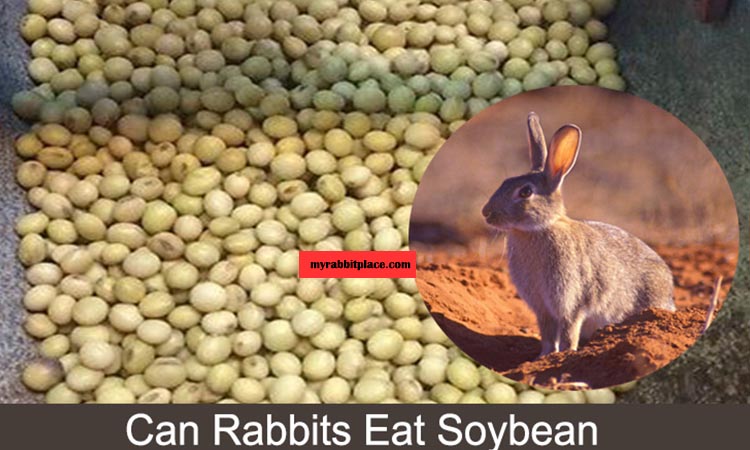
Rabbits are curious animals that love to explore new foods with their nose and mouth. However, rabbits have sensitive digestive systems, so not every food that catches their attention is safe for them.
Soybeans are high in protein and are often used in human foods and animal feed. This may make you wonder, can rabbits eat soybeans?
In this guide, we will explain whether soybeans are safe for rabbits, the possible health concerns, and better food choices for a balanced rabbit diet.
Can Rabbits Eat Soybeans?
Rabbits should not eat soybeans as a regular food. Whole soybeans contain more protein and fat than most rabbits need, and they don’t provide the high amount of fiber your bunny needs each day.
Some commercial rabbit pellets may contain a small amount of soybean meal. This can be safe when it is included in a complete rabbit food made for the animal’s age and nutritional needs. The ingredients are measured as part of the full formula, so the food is different from offering your rabbit whole soybeans.
A small accidental bite of a plain, cooked soybean may not cause a serious problem in an otherwise healthy rabbit. Still, soybeans shouldn’t be used as a regular treat. Avoid salted, seasoned, sweetened, or flavored soy products.
Your rabbit’s main foods should be fresh hay, safe leafy greens, fresh water, and a small amount of suitable rabbit pellets.
Why Soybeans May Be Unsafe for Rabbits
Soybeans can cause problems because they don’t match a rabbit’s normal nutritional needs.
Too Much Protein and Fat
Rabbits need protein for growth and body maintenance, but they don’t need large amounts. Soybeans are concentrated in protein and also contain more fat than the foods rabbits usually eat.
Too much protein and fat may contribute to digestive upset, weight gain, and an unbalanced diet. A rabbit with an existing health problem may also need an even more careful diet.
Not Enough Fiber
Fiber is one of the most important parts of a rabbit’s diet. It supports normal digestion and helps food move through the digestive tract.
Soybeans don’t provide fiber in the same way that grass hay does. Replacing hay with soybeans can leave your rabbit without the roughage needed for good gut health and healthy tooth wear.
Possible Digestive Upset
A rabbit that eats too many soybeans may develop gas, bloating, soft stools, or diarrhea. Rabbits can become seriously unwell when their digestive system is upset, so any unusual symptoms should be watched closely.
Isoflavones
Soybeans contain natural compounds called isoflavones. There is limited research about how regular soybean intake affects pet rabbits, but these compounds may have hormone-like effects.
Because the benefits of feeding soybeans are small and safer food choices are available, it’s best to keep whole soybeans out of your rabbit’s normal diet.
Are Soy Seeds Safe for Rabbits?
Soy seeds are another name for soybeans, and they aren’t a good choice for rabbits. They are high in concentrated protein and don’t offer the fiber rabbits need from hay.
Eating soy seeds may also lead to digestive issues and too many calories. The isoflavones in soy seeds are another reason not to make them part of your bunny’s diet.
Can Rabbits Eat Cooked Soybeans?
Cooking doesn’t make soybeans a suitable regular food for rabbits. It doesn’t remove the high protein content, add the fiber rabbits need, or remove the isoflavones.
If your rabbit eats one small piece of plain cooked soybean, monitor them for changes in appetite, stool, energy, and behavior. Don’t offer cooked soybeans as a routine treat.
Can Rabbits Eat Soy Milk or Tofu?
Rabbits shouldn’t be given soy milk, tofu, or other processed soy foods. These products are generally low in the rough fiber rabbits need and may contain too much protein, fat, salt, sugar, or other added ingredients.
Soy milk is lactose-free, but that doesn’t make it suitable for rabbits. Tofu and soy milk are made for people, not for a rabbit’s digestive system.
Safer Protein Options for Rabbits
Most healthy rabbits get enough protein from a proper diet. Hay, fresh greens, and rabbit pellets usually provide what they need.
Young rabbits, pregnant rabbits, and nursing rabbits may have different nutritional needs. In some cases, a veterinarian may recommend a higher-protein food or a small amount of alfalfa hay.
Young Alfalfa Hay
Alfalfa hay contains more protein and calcium than grass hays such as Timothy, orchard, or oat hay. It can be helpful for young rabbits that are growing, as well as pregnant or nursing rabbits.
Adult rabbits usually shouldn’t eat unlimited alfalfa hay because the extra protein and calcium may not suit their daily needs. Ask your veterinarian which hay is best for your rabbit’s age and health.
Rabbit-Specific Supplements
Rabbit protein supplements are available, but most rabbits don’t need them. Never add a supplement just because your rabbit seems interested in high-protein foods.
A veterinarian can check your rabbit’s diet and health and tell you whether a supplement is needed. They can also recommend the right product and serving amount.
Also Read: Learn more about what to feed rabbits for healthy growth.
Also Read - Can Rabbits Eat Olives? How many Olives can be given to your bunny?

What Should Rabbits Eat Instead?
Rabbits are herbivores with a digestive system designed for a high-fiber diet. Their daily meals should include the following foods.
High-Quality Hay
Fresh grass hay should be available to your rabbit at all times. Hay supports digestion, provides important fiber, and helps wear down your rabbit’s constantly growing teeth.
Timothy, orchard, and oat hay are common choices for adult rabbits. Keep the hay clean, dry, and easy for your bunny to reach throughout the day.
Fresh Vegetables
Fresh vegetables can add variety, vitamins, and water to your rabbit’s meals. Safe options include romaine lettuce, cilantro, kale, collard greens, parsley, and carrot tops.
Introduce new vegetables slowly and offer a variety of leafy greens instead of a large amount of one food. Wash vegetables before feeding them, and avoid anything seasoned, cooked with oil, or covered in salt.
A Small Amount of Rabbit Pellets
Plain rabbit pellets can provide extra vitamins and minerals, but they are concentrated and should only make up a small part of the diet. Follow the feeding directions on the package and choose pellets made for your rabbit’s life stage.
Hay is the main food. Pellets are a supplement, not a replacement for hay.
FAQ
My rabbit accidentally ate one soybean. Should I be worried?
One small soybean may not cause a problem, especially if your rabbit is acting normally and continues eating and producing droppings. Remove any remaining soybeans and monitor your rabbit.
Contact your veterinarian if your rabbit ate several soybeans or develops weakness, loss of appetite, diarrhea, a swollen belly, signs of pain, or unusual behavior. Rabbits that stop eating need prompt veterinary care.
Does my rabbit need a protein supplement?
Most rabbits get enough protein from good-quality hay, fresh vegetables, and suitable rabbit pellets. A protein supplement is only needed in certain situations and should be used with veterinary guidance.
Your veterinarian can review your rabbit’s age, weight, health, and regular diet before recommending any supplement.
What are safer alternatives to soybeans for protein?
Young alfalfa hay can provide extra protein for growing, pregnant, or nursing rabbits when offered in an appropriate amount. Your veterinarian may also recommend a rabbit-specific food or supplement if your bunny has special nutritional needs.
For most adult rabbits, a balanced diet of grass hay, leafy greens, and a small amount of pellets is enough.
Where can I learn more about rabbit nutrition?
Your veterinarian is a helpful source for advice about your rabbit’s individual diet. You can also look for feeding information from reputable rabbit welfare organizations and veterinary websites.
Can rabbits eat soy milk or tofu?
No. Soy milk and tofu aren’t suitable rabbit foods because they don’t provide the high-fiber nutrition rabbits need. They may also contain too much protein, fat, salt, sugar, or other ingredients.
Are cooked soybeans better for rabbits?
No. Cooking doesn’t make soybeans a good regular food for rabbits. Plain cooked soybeans still contain concentrated protein and don’t provide the fiber found in hay.
Conclusion
Soybeans aren’t a suitable regular food for rabbits. They are high in protein and fat, low in the type of fiber rabbits need, and contain isoflavones that may have hormone-like effects.
If your rabbit eats a small piece by accident, monitor them for digestive changes and contact your veterinarian if they seem unwell. For everyday feeding, offer unlimited fresh hay, safe leafy greens, clean water, and a small amount of rabbit pellets.
A simple, high-fiber diet is the best way to support your bunny’s digestion, teeth, weight, and overall health.