Becoming a rabbit owner brings plenty of happy moments, along with important questions about your bunny’s diet. One common question is, can rabbits eat plums?
Yes, rabbits can eat fresh plum flesh in small amounts. Plums are safe as an occasional treat, but they contain a lot of natural sugar. Too much fruit can lead to stomach problems, weight gain, and dental issues.
Your rabbit’s main diet should still be unlimited hay, fresh water, and suitable leafy greens. Plum should only be a small extra treat.
Are Plums Healthy for Rabbits?
Plums contain vitamins A and C, along with a small amount of fiber. These nutrients can add some variety to your rabbit’s treats. The fruit also has a soft texture and sweet flavor that many bunnies enjoy.
The main concern is sugar. Even though the sugar in plums occurs naturally, rabbits don’t need much of it. Feeding large portions or offering fruit too often can upset your rabbit’s digestive system.
A small piece of plum now and then is enough for most rabbits.
How Much Plum Can a Rabbit Eat?
Start with a piece about the size of a teaspoon. For a larger rabbit, you can offer up to 1 or 2 teaspoons of fresh plum flesh as an occasional treat. Smaller rabbits should receive less.
Plum shouldn’t be part of your rabbit’s daily meals. Offering it once or twice a week is usually enough, and some rabbits may do better with fruit even less often.
Treats should stay a small part of your bunny’s overall diet. Hay should make up most of what your rabbit eats each day. 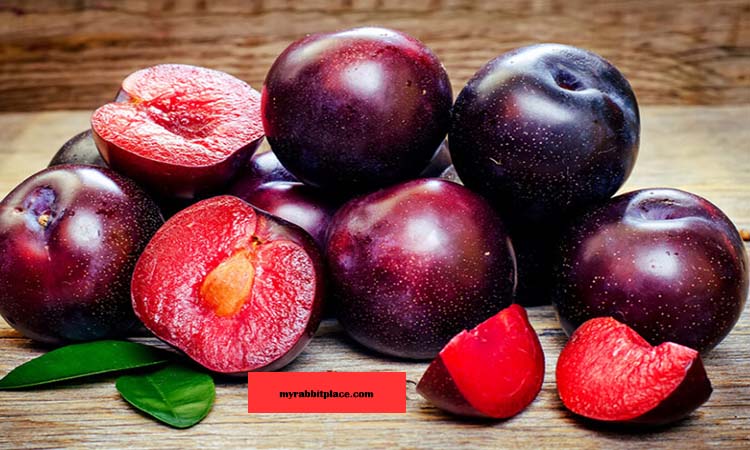
How to Prepare Plum for Your Rabbit
Follow these simple steps before giving plum to your furry friend:
- Wash the plum well to remove dirt and possible pesticide residue.
- Cut the plum open and remove the pit completely.
- Remove the stem and any leaves.
- Cut the flesh into a small, easy-to-eat piece.
- Offer only a little the first time.
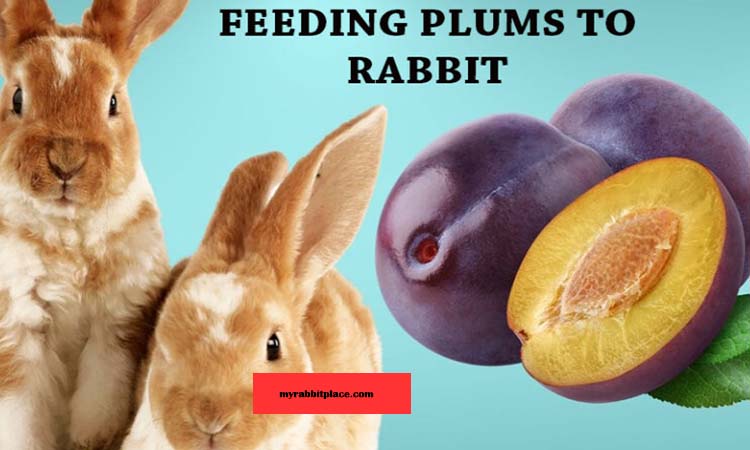
Never give your rabbit a whole plum. The pit can cause choking or an intestinal blockage, and it contains compounds that can be harmful if chewed and swallowed. Your bunny should only eat the clean flesh.
You can learn more about creating a healthy feeding routine in our rabbit care resources.
Introduce Plum Slowly
New foods should be added gradually because every rabbit has a different digestive system. Give your rabbit one small piece, then watch for changes over the next day.
Look for signs such as:
- Soft stool or diarrhea
- Gas or a swollen belly
- Reduced appetite
- Less energy
- Changes in normal behavior
If your rabbit has an upset stomach, stop offering plum and other treats. Contact a rabbit-savvy veterinarian if the symptoms continue, or if your rabbit stops eating or producing normal droppings.
If your bunny eats the plum without any problems, you can continue offering a small piece occasionally.
Benefits of Feeding Plums to Rabbits
Plums can offer a few simple benefits when they are served in the right portion:
- They provide small amounts of vitamins A and C.
- Their fiber adds variety to a rabbit’s treat choices.
- Their sweet taste can make an occasional snack more enjoyable.
- Their soft texture can be suitable for rabbits that prefer softer fruit.
These benefits don’t make plums a replacement for hay, greens, or a balanced rabbit diet. Think of plum as a treat, not a daily food.
Possible Problems With Plums
Plums are not a good choice when they are given in large portions or too often. Possible problems include:
- Too much sugar, which can contribute to weight gain and dental problems
- Digestive upset, including soft stool and diarrhea
- Gas or discomfort
- Choking or blockage if the pit is swallowed
- Sensitivity to the fruit in some rabbits
Young rabbits, overweight rabbits, and rabbits with digestive problems may need to avoid sugary fruits. Ask your veterinarian before adding plum to their diet if your rabbit has a health condition.
Also read: Can Rabbits Eat Parsley? Learn how parsley can fit into a rabbit’s diet.
Other Fruits Rabbits Can Eat
If plum isn’t suitable for your rabbit, there are other fruit treats you can try in small portions:
- Blueberries
- Strawberries
- Raspberries
- Small apple slices with the seeds removed
- Pear slices with the seeds and core removed
- Watermelon without the seeds and rind
- Cantaloupe without the seeds and rind
- Small pieces of fresh pineapple
- Small pieces of papaya
Berries are often useful treat choices because they are small and easy to portion. No matter which fruit you choose, introduce it slowly and avoid serving several new foods at the same time.
Frequently Asked Questions
Can rabbits eat plums?
Yes, rabbits can eat small portions of fresh plum flesh. Plum should be an occasional treat because it is high in natural sugar.
Can rabbits eat plum pits?
No. Plum pits can cause choking or an intestinal blockage. They also contain compounds that may be harmful if the pit is chewed. Always remove the pit before giving plum to your rabbit.
Should rabbits eat plum skin?
A small amount of clean plum skin is generally fine, but wash the fruit well first. If your rabbit has a sensitive stomach, start with a little peeled flesh instead.
How often can I give my rabbit plum?
Offer plum once or twice a week at most, and keep the portion small. Some rabbits may need fruit less often. A teaspoon or two is enough for an average adult rabbit.
What should I do if my rabbit has diarrhea after eating plum?
Stop giving plum and other treats, then offer the usual hay and water. Watch your rabbit closely. Contact a veterinarian if diarrhea continues, your rabbit seems unwell, or it stops eating. Digestive problems can become serious for rabbits quickly.
Can rabbits eat dried plums or prunes?
It’s best not to give rabbits dried plums or prunes. Drying removes much of the water and leaves a more concentrated source of sugar. Fresh plum flesh is a safer choice when served in a small amount.
Can baby rabbits eat plums?
Baby rabbits should not be given sugary fruit while their digestive system is still developing. Wait until your rabbit is older and has a stable diet, then ask your veterinarian when treats are appropriate.
Final Thoughts
Fresh plum can be a tasty treat for a rabbit when it is served carefully. Wash the fruit, remove the pit and stem, and offer only a small piece of the flesh.
Keep plum out of your rabbit’s daily meals, watch for digestive changes, and continue making hay the main part of the diet. With the right portion, your bunny can enjoy a little fruity variety without upsetting its healthy feeding routine.