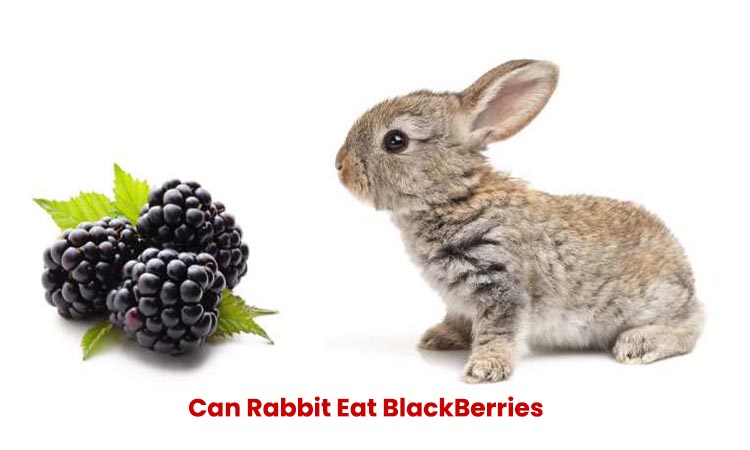
Rabbits are friendly, social pets, and their food needs are an important part of keeping them healthy. Hay should make up most of your rabbit’s daily diet, with fresh water, rabbit-safe leafy greens, and a measured amount of pellets. Fruits such as blackberries can be added as occasional treats.
So, can rabbits eat blackberries? Yes, rabbits can eat blackberries in small amounts. These berries provide fiber, vitamins, antioxidants, and water. However, they also contain natural sugar, so they should never replace hay, greens, or other foods that support your rabbit’s everyday nutrition.
This guide explains the benefits of blackberries for rabbits, how much to offer, possible side effects, and how to introduce them safely.
Are Blackberries Safe for Rabbits?
Blackberries are safe for most healthy rabbits when they are washed and served in moderation. A fresh blackberry can be a tasty way to add variety to your bunny’s treat routine.
The main concern is the sugar content. Fruit contains more sugar than hay and leafy greens, and too much fruit may cause soft stools, digestive upset, weight gain, or uneaten cecotropes. A rabbit that fills up on fruit may also eat less hay, which is not good for healthy digestion or dental care.
Start with a small amount and watch your rabbit’s appetite, behavior, and droppings. If everything looks normal, blackberries can remain an occasional treat.
Nutritional Benefits of Blackberries for Rabbits
Blackberries contain several nutrients that may support your rabbit’s health. These benefits apply when the berries are offered as a small treat, not as a regular part of every meal.
Vitamins C and K
Blackberries contain vitamin C and vitamin K. Vitamin K supports normal blood clotting and bone health. Rabbits usually get the nutrients they need from a balanced diet, but a blackberry can add a little variety.
Dietary Fiber
Fiber is one of the most important parts of a rabbit’s diet. Blackberries provide some fiber, which supports normal bowel movement and digestion. They cannot replace the large amount of long-stem fiber your rabbit gets from hay, but they can be a small addition to a varied diet.
Antioxidants
Blackberries contain antioxidants that help protect cells from damage. They also provide plant compounds that may support general health. These benefits are another reason blackberries can be a better treat than processed snacks made for humans.
Water and Few Calories
Fresh blackberries contain a good amount of water and are relatively low in calories compared with many processed treats. The water can add variety to your rabbit’s food, especially on warm days.
Even so, low-calorie fruit can still cause problems if your rabbit eats too much of it. Portion size matters.
How Many Blackberries Can a Rabbit Eat?
Most healthy adult rabbits can have one or two fresh blackberries at a time. Offer them once or twice a week rather than every day. Smaller rabbits may need less, while larger rabbits may tolerate a little more, but fruit should always stay a small part of the diet.
A blackberry is already a suitable bite-sized treat for many rabbits. You can cut a large berry in half if needed. Don’t give a large handful or allow fruit to replace your rabbit’s normal meals.
Treats should make up only a small portion of your rabbit’s overall food intake. Hay, leafy greens, fresh water, and appropriate pellets should remain the main parts of the diet.
How to Feed Blackberries to Rabbits
Follow these simple steps before offering blackberries to your bunny:
- Choose fresh, ripe blackberries without mold or spoiled areas.
- Wash the berries well to remove dirt, bacteria, and possible pesticide residue.
- Remove any damaged parts.
- Offer one small berry or part of a berry for the first taste.
- Keep your rabbit’s usual hay, greens, pellets, and water unchanged.
- Watch the droppings and appetite for the next day.
- Remove any uneaten fruit before it spoils.
Fresh blackberries are the best choice. Avoid dried blackberries because the drying process concentrates the natural sugar. Canned berries may also contain added sugar or syrup. Cooked berries, sweetened fruit, and blackberry products made for people should not be given to rabbits.
Blackberries can stain your rabbit’s fur, bedding, or enclosure. This is harmless, but you may want to serve them in an easy-to-clean area.

Introducing Blackberries for the First Time
Rabbits have sensitive digestive systems, so new foods should be introduced slowly. Give only one new food at a time. If you introduce blackberries along with several new greens or treats, it will be hard to know which food caused a problem.
Start with a tiny portion. If your rabbit has normal droppings and continues to eat hay, you can offer the same small amount another time. Stop giving blackberries if you notice diarrhea, very soft stools, bloating, reduced appetite, or unusual behavior.
Contact a veterinarian if digestive symptoms continue or if your rabbit stops eating. Rabbits can become seriously ill when they stop eating, so changes in appetite should never be ignored.
Benefits of Feeding Blackberries to Rabbits
Blackberries can offer a few useful benefits when you serve them in the right portion:
- They provide a sweet taste without processed ingredients.
- Their fiber supports normal digestion.
- Their water content adds moisture to a treat.
- Vitamins and antioxidants add variety to the diet.
- Their soft texture may appeal to rabbits that enjoy juicy foods.
- They can make training, handling, or bonding time more enjoyable.
These benefits don’t make blackberries a daily food. Your rabbit still needs unlimited access to suitable hay, along with safe greens, fresh water, and an appropriate pellet portion.
Possible Problems With Too Many Blackberries
Blackberries are healthy for people, but too much fruit can upset a rabbit’s digestion. Keep these concerns in mind before offering them regularly.
Natural Sugar
The sugar in fruit can lead to soft stools or digestive upset when a rabbit eats too much. Frequent sugary treats may also contribute to weight gain.
Reduced Hay Intake
A rabbit that eats too many berries may lose interest in hay. Hay supports healthy teeth and provides the long, coarse fiber rabbits need for normal digestion.
Digestive Changes
Every rabbit is different. Some rabbits may tolerate a small amount of blackberry without a problem, while others may develop soft cecotropes or loose stool. Always watch your rabbit after introducing a new food.
Spoilage and Residue
Old fruit can spoil quickly. Pesticides, dirt, or bacteria may also remain on unwashed berries. Wash blackberries carefully and remove leftovers after a short period.
Can Baby Rabbits Eat Blackberries?
Young rabbits should not be given fruit before they are ready for fresh foods. A rabbit under 12 weeks old has a developing digestive system and should stay with the diet recommended for its age.
Once your rabbit is old enough for new foods, introduce blackberries gradually and in a very small amount. Ask your veterinarian for feeding guidance if your rabbit is young, underweight, overweight, or has a history of digestive problems.
Rabbits With Health Conditions
A sugary fruit treat may not be a good choice for every rabbit. Speak with your veterinarian before offering blackberries if your rabbit has:
- A history of recurring digestive upset
- Dental disease
- Weight problems
- Diabetes concerns
- Soft cecotropes
- Reduced appetite
- Another ongoing health condition
Rabbits that need to lose weight usually benefit more from unlimited hay, suitable leafy greens, proper pellet portions, and regular veterinary guidance than from extra fruit treats.
Healthy Alternatives to Blackberries
If your rabbit doesn’t like blackberries, there’s no need to force the issue. Many other rabbit-safe foods can add flavor and variety.
Blueberries
Blueberries can be offered as a small fruit treat. Wash them before serving, and give only a limited portion because they also contain natural sugar.
Raspberries
Raspberries provide fiber and have a soft texture that many rabbits enjoy. Offer them occasionally and watch for digestive changes.
Strawberries
Strawberries are safe for rabbits in small amounts. Wash them well and remove the leafy stem before serving. A small piece is usually enough.
Apple
Apple can be a crisp treat for rabbits. Remove the seeds and core before offering a small slice. Apple seeds and cores should not be part of your rabbit’s food.
Cucumber
Cucumber is a refreshing, water-rich option with less sugar than most fruits. Wash it before serving and introduce it slowly, especially if your rabbit hasn’t eaten it before.
Fresh Herbs and Leafy Greens
Fresh herbs and leafy greens are often better regular choices than fruit. You can try small amounts of cilantro, parsley, basil, mint, romaine lettuce, or kale. Introduce new greens one at a time and wash all produce before serving.
You can also read Can Rabbit Eat Zucchini and Can Rabbit Eat PineApple for more rabbit food ideas.
Frequently Asked Questions
Can rabbits eat dried blackberries?
Dried blackberries are not recommended. They contain more concentrated sugar than fresh berries and may include added sugar or preservatives. Fresh blackberries are the safer choice.
Can rabbits eat blackberry seeds?
The small seeds in a fresh blackberry are generally not a concern. Wash the fruit well and offer only a small portion. Don’t give your rabbit processed blackberry products that contain added ingredients.
How often can rabbits eat blackberries?
A healthy adult rabbit can usually have one or two blackberries once or twice a week. Adjust the portion for your rabbit’s size, weight, age, and overall health.
Do blackberries help hydrate rabbits?
Fresh blackberries contain water, so they can add moisture to a treat. They should never replace clean drinking water. Your rabbit should always have access to fresh water.
What should I do if my rabbit doesn’t like blackberries?
Don’t force your rabbit to eat them. Offer other safe foods, such as fresh herbs, leafy greens, cucumber, or a small piece of another rabbit-safe fruit.
Are blackberries safe for all rabbits?
Blackberries are safe for many healthy rabbits when served in moderation. Rabbits with weight concerns, digestive problems, or other health conditions may need a different treat routine. Ask your veterinarian before adding fruit if you have concerns.
Conclusion
Rabbits can eat blackberries as an occasional treat. Fresh blackberries provide fiber, vitamins, antioxidants, and water, but their natural sugar means they should stay off the daily menu.
Start with one small berry, wash it well, and watch your rabbit’s droppings and appetite. Keep hay available at all times, and continue offering suitable greens, fresh water, and the right amount of pellets. With small portions and careful introductions, a blackberry can be a tasty treat for your bunny without taking the place of the food that keeps them healthy.