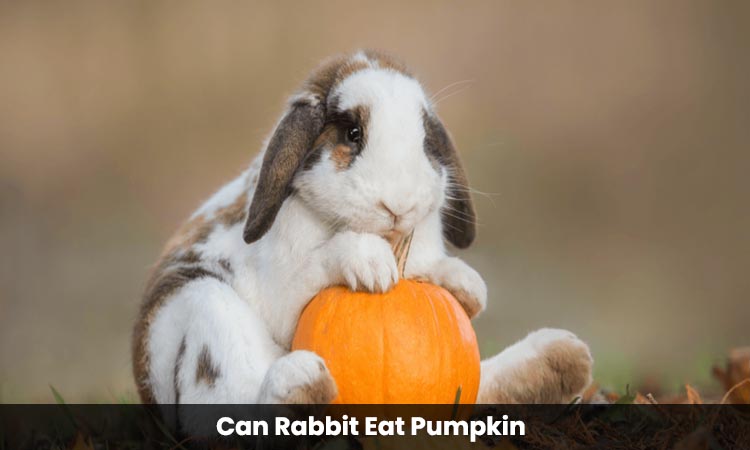
Rabbits are friendly, playful pets that are usually simple to care for when they receive the right food and daily attention. A healthy rabbit diet should mainly include unlimited hay, fresh leafy greens, a small amount of rabbit pellets, and clean water.
Seasonal foods often bring up new questions for rabbit owners. Pumpkin is common during the fall and contains fiber, vitamins, and plenty of water. But can rabbits eat pumpkin safely?
Yes, rabbits can eat a small amount of pumpkin as an occasional treat. This guide explains how much pumpkin rabbits can eat, which parts are safe, the possible benefits and risks, and how to serve it properly.
Can Rabbits Eat Pumpkin?
Rabbits can eat plain, fresh, raw pumpkin flesh in small amounts. Pumpkin contains fiber, vitamins A and C, and water, which can add some variety to your rabbit’s diet.
However, pumpkin also contains natural sugar. Too much sugar may lead to diarrhea, bloating, weight gain, or an upset digestive system. It may also cause your rabbit to eat less hay, which is a problem because hay provides the fiber rabbits need for healthy digestion and normal tooth wear.
Pumpkin should be a treat, not a replacement for hay, leafy greens, or a small portion of rabbit pellets. Avoid canned, seasoned, or prepared pumpkin because it may contain added sugar, salt, preservatives, spices, or other ingredients that aren’t safe for rabbits.
When you introduce pumpkin or any new food, start with a very small portion and watch your rabbit for digestive changes.
Nutritional Benefits of Pumpkin
A small amount of pumpkin can provide a few useful nutrients for rabbits.
- Fiber helps support normal movement through the digestive system.
- Vitamin A supports healthy vision, skin, and immune function.
- Vitamin C provides antioxidant support.
- Water adds moisture to the diet and may be helpful during warm weather.
Pumpkin is also softer than many crunchy vegetables, which makes it an easy food for some rabbits to nibble. Even so, its natural sweetness means it should only be offered in limited portions.
Pumpkin doesn’t provide everything a rabbit needs. Hay should still make up most of your rabbit’s daily food, with fresh greens and a limited amount of pellets completing the diet.
How to Feed Pumpkin to a Rabbit
Follow these steps when offering pumpkin to your bunny:
- Choose a fresh pumpkin.
- Wash the outside before cutting it.
- Remove the hard skin, rind, and all seeds.
- Cut the raw flesh into small, bite-sized pieces.
- Offer about 1 tablespoon the first time.
- Watch for diarrhea, soft stool, bloating, or a change in appetite.
- Remove any uneaten pumpkin after a few hours.
If your rabbit handles it well, pumpkin can be offered as a special treat once or twice a week. Smaller rabbits may need less than 1 tablespoon. The right amount also depends on your rabbit’s size, age, health, and regular diet.
Always provide fresh water when introducing any new food.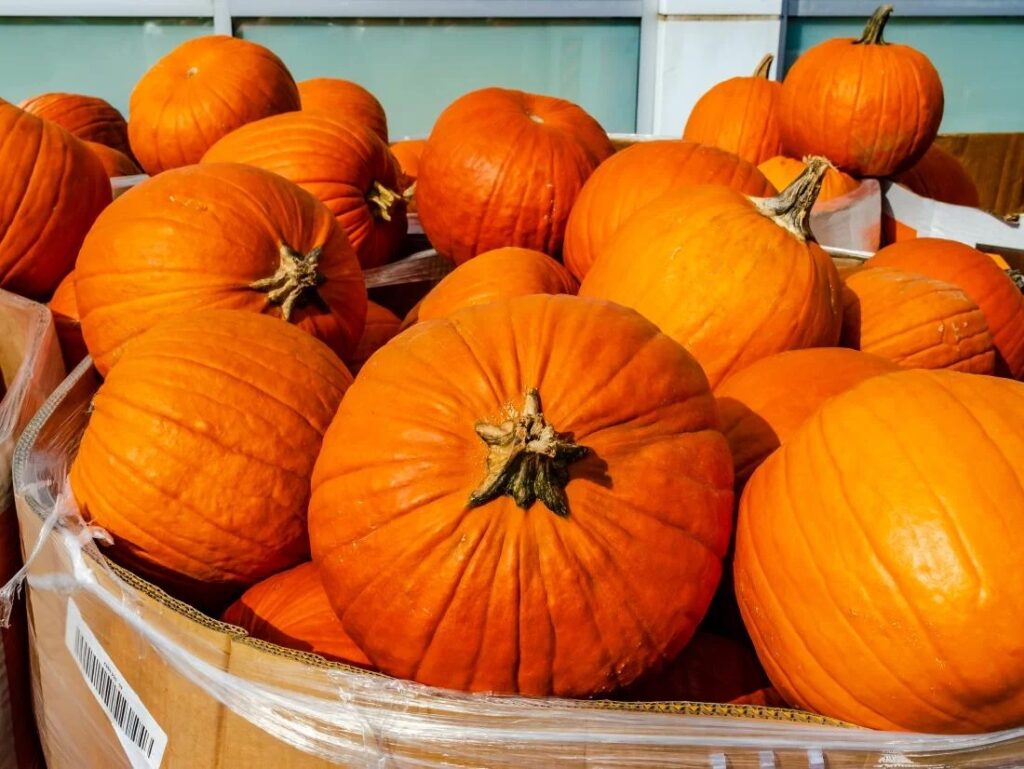
Should Pumpkin Replace Hay or Greens?
No. Pumpkin should never replace hay, leafy greens, or rabbit pellets.
Hay should be available at all times because it supports digestion and helps wear down your rabbit’s continuously growing teeth. Fresh, rabbit-safe greens provide additional nutrients and variety. Pellets should remain a small part of the diet and should be made for rabbits.
If your rabbit fills up on pumpkin, it may eat less hay. A drop in hay intake can increase the risk of digestive problems, including gastrointestinal stasis. Keep pumpkin portions small so your bunny continues eating the foods that support everyday health.
Possible Problems With Too Much Pumpkin
Pumpkin is safe for many rabbits in small portions, but large amounts can cause problems.
Pumpkin contains more natural sugar than grass hay and most leafy greens. Too much sugar can disturb the balance of healthy gut bacteria and may cause:
- Diarrhea or soft stool
- Bloating and gas
- Unwanted weight gain
- Reduced appetite for hay
- Digestive upset
Frequent sugary treats can also contribute to an unbalanced diet. A rabbit needs plenty of long, fibrous hay to support digestion and healthy teeth. Pumpkin is a tasty extra, not a main food.
Can Rabbits Eat Pumpkin Seeds or Skin?
It’s best not to feed pumpkin seeds or skin to rabbits.
Pumpkin seeds are hard, high in fat, and difficult for rabbits to digest. They may also create a choking or blockage risk. Rabbit diets generally should be low in fat, so seeds aren’t a good treat for your bunny.
Pumpkin skin is tough and fibrous. It can be difficult to chew and break down, especially for a small rabbit. Remove the skin and seeds before offering any pumpkin, and give only a small amount of the soft flesh.
Can Rabbits Eat Pumpkin Leaves or Vines?
Pumpkin leaves and vines are very fibrous and may be difficult for rabbits to chew and digest. Because of this, it’s safer to avoid feeding these parts unless your veterinarian gives you different guidance.
The simplest option is a small serving of fresh pumpkin flesh with the skin and seeds removed.
Healthier Alternatives to Pumpkin
If you’re looking for lower-sugar vegetables, several rabbit-safe choices may be better for regular variety. Wash all fresh produce before serving and introduce new foods slowly.
- Zucchini is soft, mild, and high in water.
- Bell peppers provide crunch and vitamin C without the same sugar level as many fruits.
- Cucumber is hydrating and low in calories.
- Romaine lettuce and other leafy greens provide water, fiber, and nutrients.
- Cilantro, parsley, dill, and basil can add flavor and variety.
- Broccoli leaves can be offered in small amounts, though too much broccoli may cause gas in some rabbits.
- Carrot tops are a better regular choice than large portions of carrots, which contain more sugar.
Hay should remain the main part of your rabbit’s diet, even when you offer fresh vegetables and occasional treats.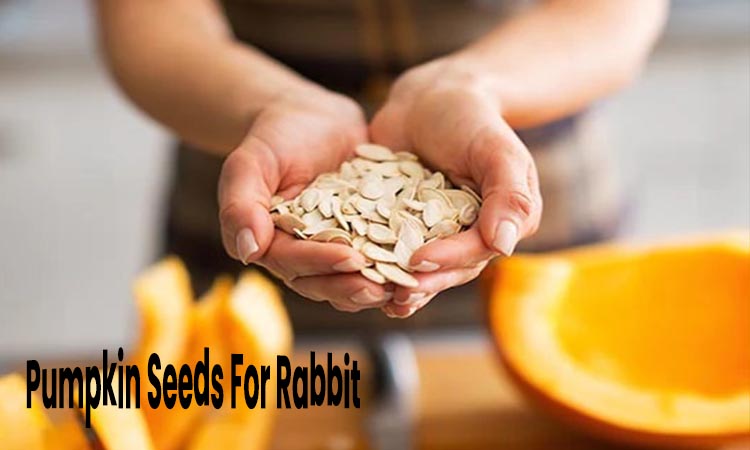
Frequently Asked Questions
Is pumpkin safe for rabbits?
Yes. Plain, fresh, raw pumpkin flesh is usually safe in small portions. Remove the skin and seeds, and offer pumpkin only as an occasional treat.
Can rabbits eat cooked pumpkin?
It’s better to avoid cooked pumpkin. Cooking may change its texture, and prepared pumpkin often contains oil, salt, sugar, spices, or other ingredients that can upset a rabbit’s digestive system.
Can rabbits eat canned pumpkin?
Canned pumpkin isn’t a good choice for rabbits. Some products contain added sugar, salt, preservatives, or spices. If you offer pumpkin, choose fresh raw pumpkin instead.
Can rabbits eat pumpkin puree?
Avoid pumpkin puree, including plain ready-made puree. It is softer and more concentrated than fresh pieces, and some products contain added ingredients. Small pieces of fresh pumpkin are a safer option.
Can baby rabbits eat pumpkin?
Rabbits younger than 4 months generally shouldn’t be given pumpkin. Young rabbits have sensitive digestive systems and should mainly receive the diet recommended for their age, including hay, water, and their mother’s milk when they are still nursing.
How much pumpkin can a rabbit eat?
Start with about 1 tablespoon and monitor your rabbit for digestive upset. If your rabbit tolerates it, offer pumpkin once or twice a week at most. Smaller rabbits may need a smaller piece.
What should I do if pumpkin causes diarrhea?
Stop feeding pumpkin and any other new foods. Make sure your rabbit has plenty of hay and fresh water. If diarrhea continues, your rabbit stops eating, becomes quiet, or produces very few droppings, contact a rabbit-experienced veterinarian promptly.
Conclusion
Rabbits can eat pumpkin, but only as an occasional treat. Fresh raw pumpkin flesh provides some fiber, vitamins, and moisture, but it also contains natural sugar and shouldn’t replace hay, leafy greens, pellets, or water.
Remove the skin and seeds, cut the pumpkin into small pieces, and start with a tiny serving. Once or twice a week is enough for most rabbits. With small portions and careful observation, pumpkin can add a little seasonal variety while your bunny continues to receive a balanced, high-fiber diet.