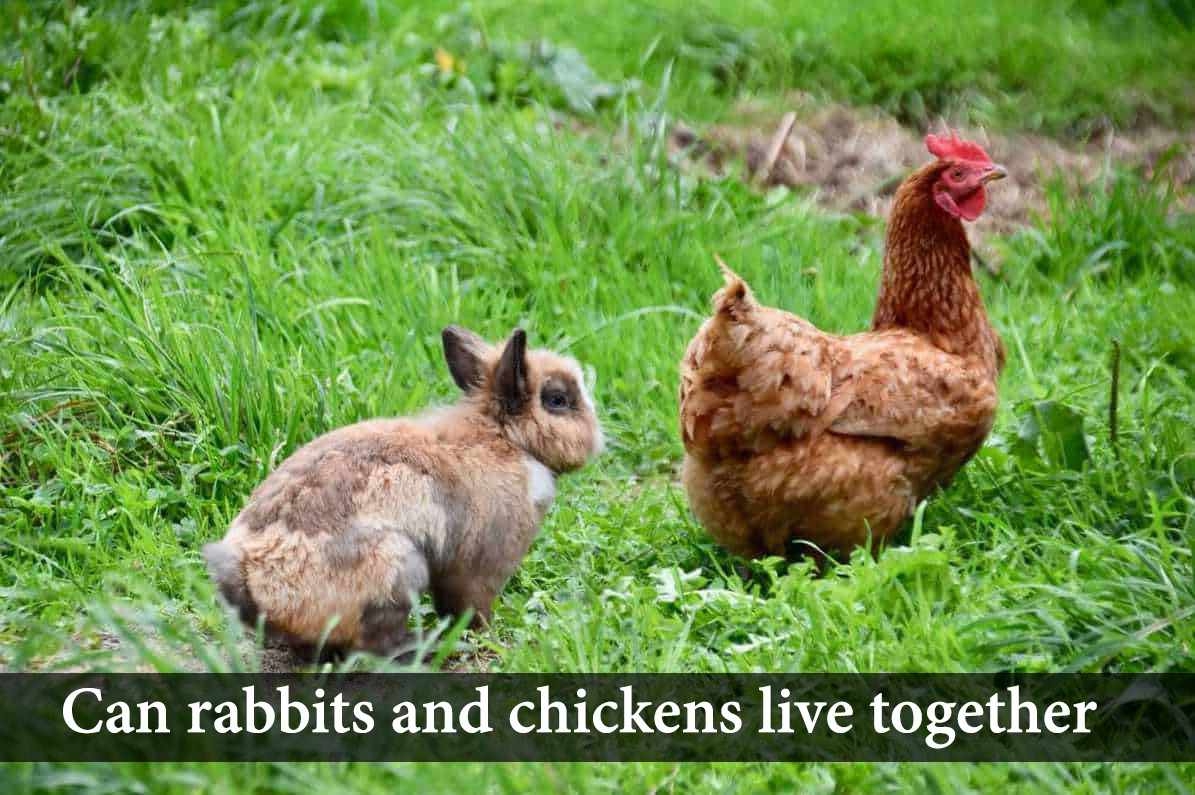
Can rabbits and chickens live together? Yes, rabbits can live with chickens, but this arrangement needs careful planning. Both animals need enough space, separate food, clean water, secure shelter, and protection from predators.
Rabbits and chickens are both social outdoor animals, so sharing an enclosure can save space. Some rabbits and chickens may become comfortable around each other and even rest side by side. Still, their needs and behavior are different, so they should never be placed together without supervision.
Clean the living area often, watch their interactions, and give each animal a safe place to retreat. Chickens can carry illnesses without showing clear symptoms, which may create health risks for rabbits and other pets.
Also Read: Can Rabbits Eat Grapes?
Create the Right Environment for Rabbits and Chickens
Rabbits and chickens may share an outdoor area, but the space must be prepared for both species. Before bringing them together, think about their housing, diet, behavior, and health needs.
Give Them Plenty of Space
A crowded enclosure can make both rabbits and chickens stressed. They need enough room to walk, rest, eat, and move away from each other.
Separate housing areas are usually the safest choice. A shared run may work if it is large enough and includes different resting spaces. Your rabbit should have a private shelter where the chickens can’t bother it, and the chickens should have a safe coop for sleeping and laying eggs.
Check the enclosure for sharp wire, small gaps, and weak doors. Rabbits can squeeze through surprisingly small openings, while predators may enter through damaged fencing.
Feed Rabbits and Chickens Separately
Rabbits and chickens need different diets, so they shouldn’t share meals.
Rabbits need unlimited grass hay, fresh water, rabbit-safe leafy greens, and suitable rabbit pellets. Chickens commonly eat poultry feed, grains, insects, and other foods made for their nutritional needs.
Chicken feed isn’t suitable for rabbits, and rabbit food won’t provide a balanced diet for chickens. Place their food bowls in separate areas and remove leftovers after feeding. This also helps prevent wasted food from attracting flies, rats, and mice.
Introduce new foods to your rabbit slowly. A sudden change may cause digestive upset, even when the food is normally safe.
Keep the Area Clean
Chickens can make an enclosure dirty quickly, so regular cleaning is very important. Remove droppings, soiled bedding, spilled food, and wet hay on a regular schedule.
Good hygiene helps reduce flies, parasites, unpleasant odors, and the spread of illness. Wash food and water dishes often, and provide fresh water every day.
Rabbits have sensitive skin and feet. Wet or dirty bedding can lead to discomfort and other health problems. Keep your rabbit’s resting area dry and separate from the messier parts of the chicken enclosure.
Watch Their Behavior
Rabbits and chickens can both be gentle, but they don’t always understand each other’s behavior. A curious chicken may peck at a rabbit, while a nervous rabbit may run, kick, or hide.
Watch for:
- Pecking or repeated chasing
- Biting, scratching, or fighting
- A rabbit hiding constantly
- Loud or frightened movements
- Injuries, bald spots, or damaged feathers
- Changes in eating or bathroom habits
Separate them immediately if either animal is injured, frightened, or aggressive. Some animals may never become comfortable living together, and that’s okay.
Benefits of Keeping Rabbits and Chickens Together
The main benefit is shared space. One large outdoor area may take less room than two separate enclosures.
Rabbits and chickens may also provide company for each other when they are compatible. This doesn’t replace human care or companionship, but a calm pair may enjoy being near one another.
Shared housing can work well when the enclosure is clean, secure, spacious, and carefully managed.
Drawbacks of Keeping Rabbits and Chickens Together
Keeping rabbits and chickens in the same area also has several possible problems.
Different Food Needs
Rabbits and chickens can’t eat the same meals. If a rabbit regularly eats chicken feed, it may gain too much weight or develop digestive problems. Chickens may also eat rabbit food without getting the nutrients they need.
Separate feeding areas are important. Supervise meals when necessary, especially if one animal tries to steal the other’s food.
Different Temperaments
Chickens are often active and curious, while rabbits can be more timid. Fast movements, chasing, or frequent pecking may frighten a rabbit.
A rabbit may also kick when it feels trapped or scared. These kicks can injure a chicken, so give both animals enough room to move away from each other.
Illness and Hygiene Risks
Rabbits and chickens can spread some illnesses and parasites through droppings, food, water, or dirty bedding. Chickens may carry certain infections without showing symptoms.
This doesn’t mean they can never share an outdoor area, but it does mean that cleanliness, health checks, and separate feeding are important. Don’t allow sick animals to mix with healthy animals. Contact a veterinarian if your rabbit or chicken shows signs of illness.
Unsafe Coop Materials
Chicken wire may not be suitable for rabbits. Its openings can trap a rabbit’s feet or head, and rough wire may scratch delicate skin.
Use sturdy, smooth, rabbit-safe fencing with openings small enough to prevent escapes and injuries. Check the enclosure regularly for sharp edges, broken sections, and loose fasteners.
Mounting Behavior
An unneutered male rabbit may try to mount chickens. This can frighten or injure them. Neutering often reduces this behavior, but it may not stop it completely.
Separate the rabbit from the chickens if mounting continues or causes stress.
Digging and Escaping
Rabbits naturally like to dig. They may dig under fencing and escape, or create holes that can cause chickens to trip or hurt their feet.
Use a secure floor or bury fencing around the edges of the enclosure. Give your rabbit a safe digging area when possible, and check the ground often for new holes.
You can also check the Rabbit Age Calculator to learn more about your bunny’s life stage and care needs.
Tips for Keeping Rabbits and Chickens Together
- Introduce them slowly and supervise every meeting.
- Start with separate cages or pens where they can see and smell each other safely.
- Provide plenty of space and more than one food and water station.
- Give each animal a private shelter.
- Keep rabbit food and chicken feed in separate locations.
- Clean droppings, bedding, and spilled food often.
- Use fencing that won’t cut, trap, or injure your rabbit.
- Neuter male rabbits when appropriate.
- Check both animals for injuries, stress, parasites, and illness.
- Separate them if they show aggression or ongoing fear.
Never leave a rabbit and chicken together unsupervised until you are certain they are safe around each other. Even then, separate sleeping and feeding areas are a good idea.
FAQ
Can rabbits live with chickens?
Yes, rabbits and chickens can live in the same outdoor area when they are compatible. They need plenty of room, separate food, clean water, safe shelters, and regular supervision.
How should I introduce my rabbit to a chicken?
Start slowly. Keep them in separate pens where they can see and smell each other without making contact. Watch their behavior for several days before allowing a short, supervised meeting.
Increase their time together only when both animals remain calm. Separate them right away if you notice chasing, pecking, fighting, fear, or injury.
What should rabbits and chickens eat?
Feed each animal according to its own dietary needs. Rabbits need hay as their main food, along with rabbit-safe greens, fresh water, and suitable pellets. Chickens need a balanced poultry feed and other chicken-safe foods.
Don’t allow them to share food. Chicken feed can be harmful to rabbits, and rabbits need more fiber than chickens receive from their normal diet.
How can I tell if they are getting along?
Calm behavior is a good sign. Both animals should be able to eat, rest, and move around without being chased or disturbed.
Separate them if you see repeated pecking, mounting, biting, chasing, hiding, frightened behavior, injuries, or changes in eating and bathroom habits.
Can rabbits catch diseases from chickens?
Yes, rabbits may become ill from germs or parasites found around infected chickens, droppings, food, water, or dirty bedding. Chickens can carry some illnesses without obvious signs.
Keep the enclosure clean, avoid sharing food and water bowls, and separate any animal that appears sick. A veterinarian can help if your rabbit shows symptoms such as diarrhea, loss of appetite, breathing problems, low energy, or unusual behavior.