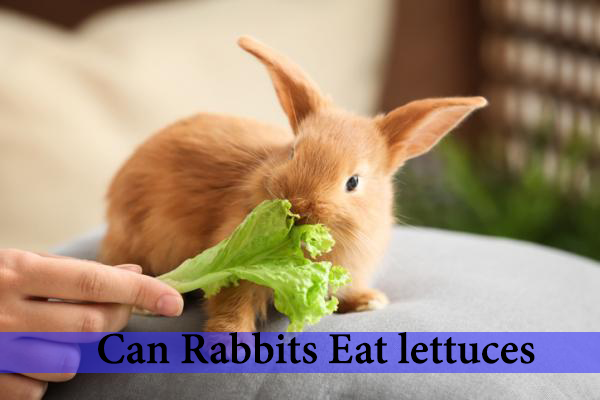
Many rabbit owners ask, “Can rabbits eat lettuce?” The short answer is yes. Lettuce can be a safe, refreshing leafy green for rabbits when it is served fresh and in reasonable portions.
Not every type of lettuce offers the same nutrition. Romaine, green leaf, and red leaf lettuce are usually good choices. Butter lettuce can also be offered in small amounts. Iceberg lettuce is not poisonous, but it has very little nutritional value and contains a lot of water, so it isn’t the best choice for your bunny.
Lettuce should be an addition to a rabbit’s diet, not the main food. Your rabbit should eat mostly unlimited grass hay, along with a suitable amount of fresh greens, measured pellets, and occasional treats. A balanced diet helps support healthy digestion and keeps your bunny active.
You can also check what rabbits can eat here for a complete rabbit food guide.
Is Lettuce Safe for Rabbits?
Yes, most rabbits can eat lettuce safely. Lettuce isn’t toxic to rabbits, including the varieties with a high water content. The main concern is feeding too much at once or offering lettuce to a rabbit that hasn’t eaten fresh greens before.
Romaine lettuce contains fiber, water, vitamin A, vitamin K, folate, calcium, potassium, and other nutrients. These nutrients can support normal digestion, healthy skin, eyesight, bones, and blood clotting. Lettuce also helps add moisture to your rabbit’s diet.
Lettuce leaves and the tender stems are safe to eat as long as they are fresh and clean. Remove any soft, slimy, brown, or spoiled pieces before serving them.
Lettuce is still not a replacement for hay. Hay should make up most of your rabbit’s daily food because it provides the long fiber needed for healthy teeth and digestion.
Also Read: Can Rabbits Eat Broccoli?
Nutritional Benefits of Lettuce for Rabbits
Fresh lettuce can provide several helpful nutrients. The exact nutrition depends on the variety, but lettuce commonly contains:
- Water, which helps support hydration.
- Fiber, which helps keep the digestive system moving.
- Vitamin A, which supports healthy eyes, skin, and normal body functions.
- Vitamin K, which helps with blood clotting.
- Folate, which supports healthy cells.
- Minerals such as calcium, potassium, magnesium, and phosphorus.
- Plant antioxidants that support general health.
Dark, leafy varieties usually offer more nutrients than pale varieties such as iceberg lettuce. This is one reason romaine, green leaf, and red leaf lettuce are better choices for regular rotation.
Can Lettuce Cause Problems for Rabbits?
Lettuce isn’t harmful for most rabbits, but too much can cause digestive upset. Sudden changes in food can lead to soft stools, diarrhea, gas, or a reduced appetite.
Iceberg lettuce is especially watery and provides fewer nutrients than darker leafy greens. A small amount isn’t usually dangerous, but it shouldn’t be a regular part of your rabbit’s diet.
Overfeeding any fresh vegetable can also cause problems. If a rabbit eats too much lettuce, it may fill up on greens and eat less hay. This can affect normal digestion and dental wear.
Rabbits can’t vomit, so vomiting is not a normal reaction to lettuce. Signs of digestive trouble can include:
- Soft stool or diarrhea.
- Fewer or smaller droppings.
- Gas or a swollen stomach.
- Low energy.
- Refusing hay or other food.
- Sitting in a hunched position.
Stop offering lettuce and contact your veterinarian if your rabbit develops diarrhea, stops eating, seems painful, or produces very few droppings. Digestive problems can become serious in rabbits, especially when they stop eating.
Do Rabbits Like Lettuce?
Many rabbits enjoy the fresh taste and soft crunch of lettuce. Each rabbit has its own preferences, though. Some bunnies love romaine, while others prefer herbs, spring greens, or another type of leafy vegetable.
When offering lettuce, follow these simple tips:
- Choose fresh leaves with no signs of spoilage.
- Wash the lettuce under clean running water.
- Remove dirt and any damaged pieces.
- Tear or cut large leaves into smaller pieces.
- Introduce new lettuce slowly.
- Watch your rabbit’s droppings and appetite after trying it.
Soft leaves are usually easy for rabbits to chew. Crunchy stems are also safe when they are fresh and not too tough. Avoid wilted, slimy, moldy, or rotten lettuce because spoiled vegetables can upset your rabbit’s stomach.
How to Feed Lettuce to Your Rabbit
Start with a small piece when your rabbit tries lettuce for the first time. A single leaf or a few small pieces are enough for the first serving. Watch your bunny for the next day to make sure their appetite, energy, and droppings remain normal.
If your rabbit handles the lettuce well, you can slowly add it to a varied selection of fresh greens. Don’t give a large bowl of lettuce all at once, especially if your rabbit is not used to vegetables.
The best way to serve lettuce is:
- Pick fresh, healthy leaves.
- Wash them well with clean water.
- Dry off excess water.
- Tear or chop the lettuce into manageable pieces.
- Serve it alongside hay and other approved greens.
- Remove leftovers after a few hours so they don’t spoil.
The common guideline for fresh greens is about 1 cup per 2 pounds of body weight each day. This amount includes all leafy greens and vegetables, not lettuce alone. Some rabbits need more or less depending on their age, size, health, and regular diet.
Your veterinarian can help you choose the right amount for your bunny. For most rabbits, lettuce is best offered a few times each week as part of a mixed selection of fresh greens.
Safe Types of Lettuce for Rabbits
Several types of lettuce can be included in a rabbit’s diet. Offer different greens in rotation instead of feeding only one type.
Romaine Lettuce
Romaine lettuce is one of the best lettuce choices for rabbits. It has crisp leaves, useful fiber, and more nutrients than iceberg lettuce. Most rabbits enjoy its texture and mild flavor.
Wash the leaves carefully and cut them into smaller pieces if they are large.
Green Leaf Lettuce
Green leaf lettuce has a soft texture and a mild, slightly sweet taste. It is safe for rabbits when served fresh and in moderate amounts.
It can be mixed with romaine, herbs, or other rabbit-safe greens to add variety.
Red Leaf Lettuce
Red leaf lettuce is similar to green leaf lettuce, but its darker color provides a different mix of plant nutrients. It is a good option for adding variety to your rabbit’s meals.
As with any new food, begin with a small serving and watch for digestive changes.
Butter Lettuce
Butter lettuce, including Bibb and Boston lettuce, has tender leaves and a mild flavor. Rabbits can eat it, but it contains a lot of water and is softer than some other varieties.
Serve butter lettuce in smaller amounts alongside hay and more nutrient-dense greens.
Mixed Salad Greens
Some plain spring mixes or salad blends can be suitable for rabbits. Check the ingredients before feeding them. The mix should contain safe leafy greens and should not include dressing, onion, garlic, croutons, cheese, nuts, or other prepared foods.
Wash the greens, remove any spoiled leaves, and introduce the mix slowly. A plain leafy mix is a better choice than a packaged salad with added ingredients.
Lettuce Varieties and Greens to Limit
Some greens are not dangerous but may not be the best everyday choice. Others may be too bitter or may cause stomach upset when offered in large portions.
Iceberg Lettuce
Iceberg lettuce isn’t poisonous to rabbits, but it has low nutritional value and a high water content. Large amounts may contribute to soft stool or diarrhea.
If you offer it at all, use only a small amount. Romaine, green leaf, and red leaf lettuce are more useful choices.
Arugula
Arugula, also called rocket, is a leafy green with a peppery flavor. Many rabbits can eat small amounts, but some may dislike the taste or develop soft stool after trying it.
Introduce it slowly and don’t offer a large serving the first time.
Endive
Endive has a mild bitter taste. It can be included in a varied diet for many rabbits, but it may not be appealing to every bunny. Offer a small portion and watch how your rabbit reacts.
Frisee
Frisee, or curly endive, has a crisp, curly texture and a slightly bitter flavor. It isn’t toxic to rabbits, but it should be introduced gradually and served as one part of a mixed selection of greens.
Radicchio
Radicchio is another bitter leafy green. Small amounts may be suitable for some rabbits, but large servings can upset the stomach. It shouldn’t be the main fresh vegetable in your rabbit’s diet.
The best approach is to choose fresh, clean greens and add new varieties one at a time. This makes it easier to notice which foods agree with your rabbit.
Can Rabbits Eat Lettuce Every Day?
Some rabbits can eat a small amount of lettuce every day, but lettuce should not make up all of their fresh greens. A varied diet is better than feeding the same vegetable at every meal.
If you offer lettuce daily, keep the serving small and rotate it with other rabbit-safe greens. Your rabbit should still have unlimited hay available at all times.
For a rabbit that has never eaten vegetables, start with a very small portion every few days. Once their digestive system is used to fresh greens, you can create a regular routine based on their health and diet.
How Much Lettuce Can a Rabbit Eat?
A general guide is about 1 cup of fresh greens per 2 pounds of body weight per day. This is the total amount of greens, not the amount of lettuce alone.
For example, a 4-pound rabbit may have about 2 cups of mixed fresh greens in a day, divided into one or more servings. Lettuce can make up part of that amount, while other safe greens provide additional variety.
The correct amount depends on your rabbit’s size, age, health, activity level, and usual diet. Young rabbits, rabbits with health conditions, and rabbits with a history of digestive problems may need a different feeding plan.
Frequently Asked Questions
Do I need to wash lettuce before giving it to my rabbit?
Yes. Wash lettuce under clean running water to remove dirt and reduce surface residue. Dry off extra water before serving it.
Can rabbits eat lettuce stems?
Yes, rabbits can eat fresh lettuce stems. Remove stems that are tough, slimy, brown, or spoiled. Chop large pieces if needed so your bunny can chew them easily.
Can rabbits eat lettuce seeds?
Lettuce seeds aren’t a normal part of a rabbit’s daily diet. A few seeds are not generally considered poisonous, but they don’t offer the same benefit as fresh leaves. It is better to feed your rabbit clean lettuce leaves and stems.
Can rabbits eat cooked lettuce?
Rabbits should eat lettuce raw. Cooking can change its texture and reduce some of its natural nutrients. Fresh, washed lettuce is the better choice.
Is lettuce better than cabbage for rabbits?
Both lettuce and some types of cabbage can be safe in small portions. Lettuce is often easier to introduce because it is mild and commonly available. Cabbage may cause gas in some rabbits, so it should also be offered slowly and in moderation.
Does lettuce cause diarrhea in rabbits?
Lettuce can cause soft stool or diarrhea when a rabbit eats too much, eats it suddenly, or reacts poorly to a particular variety. Stop offering it if your rabbit develops digestive problems and speak with your veterinarian if symptoms continue.
Can rabbits eat lettuce instead of hay?
No. Lettuce cannot replace hay. Hay provides the long fiber rabbits need for digestion and healthy tooth wear. Fresh greens should always be offered alongside an unlimited supply of grass hay.
Final Thoughts
Rabbits can eat lettuce as part of a balanced diet. Romaine, green leaf, red leaf, and small amounts of butter lettuce are good options for many bunnies. Iceberg lettuce is not toxic, but it doesn’t provide much nutrition and is better limited.
Wash the leaves, remove spoiled pieces, introduce new foods slowly, and keep portions moderate. Most importantly, make sure your rabbit continues to eat plenty of hay. With the right amount of lettuce and a varied diet, your furry friend can enjoy fresh greens while staying healthy and comfortable.
You can also read Can Rabbits Eat Bananas? for another helpful rabbit food guide.

Howdy! Do you know if they make any plugins to assist with
Search Engine Optimization? I’m trying to get my blog to rank
for some targeted keywords but I’m not seeing very good results.
If you know of any please share. Thanks!
absolutely – RankMath is a great free WP Plug in you can use to help with SEO…and the free version is perfectly fine