Rabbits are gentle, social pets that can form strong bonds with their owners. Their playful behavior and soft fur make them wonderful companions, but keeping a healthy bunny also means providing the right diet.
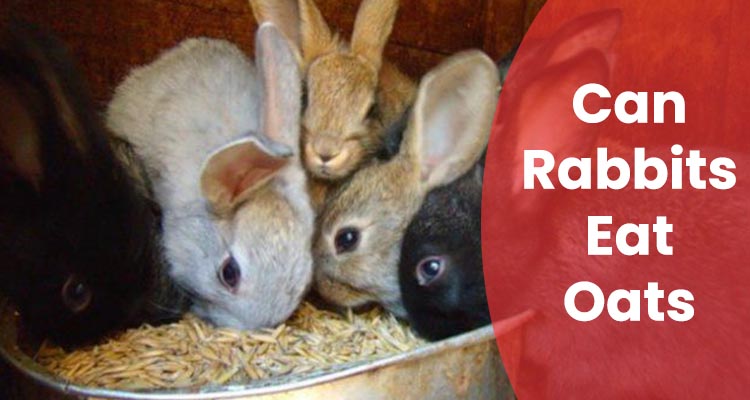
A rabbit’s daily menu should mainly include unlimited hay, fresh leafy greens, a small amount of rabbit pellets, and clean water. Since oats are a common human food, many rabbit owners ask, “Can rabbits eat oats?”
The short answer is yes, rabbits can eat plain oats in small amounts. Oats aren’t poisonous to rabbits, but they aren’t an important part of a rabbit’s normal diet. They contain more carbohydrates and calories than hay or leafy greens, so they should only be an occasional treat.
This guide explains whether rabbits can eat raw oats, how oats compare with oat hay, the possible benefits and risks, and how to offer them safely.
Are Oats Safe for Rabbits?
Plain, uncooked oats are generally safe for healthy adult rabbits when offered in a very small amount. They should never replace hay, fresh greens, or a balanced rabbit diet.
Rabbits need a high-fiber diet to keep food moving through the digestive system and to help wear down their continuously growing teeth. Hay is the best source of this fiber. Oats contain some fiber, but they have much more starch and energy than grass hay.
Too many oats can lead to:
- Weight gain
- Soft stools or diarrhea
- Bloating and digestive discomfort
- Reduced interest in hay
- An unbalanced diet
- A higher risk of serious gut slowdown, known as gastrointestinal stasis
Raw oats are usually a better choice than sweetened or prepared oatmeal because they don’t contain extra sugar, salt, dairy, or flavorings. Still, raw oats should be given only in tiny portions.
Can Rabbits Eat Uncooked Oats?
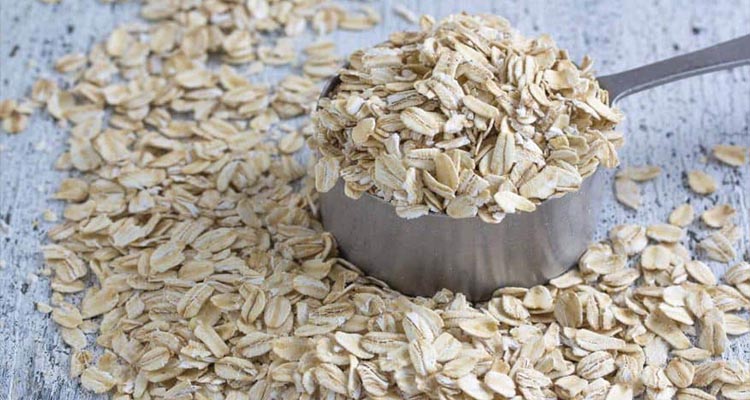
Yes, healthy adult rabbits can usually have a small amount of plain, uncooked oats. Rolled oats or plain quick oats are suitable as an occasional treat if they contain no added ingredients.
Don’t give your rabbit oats that contain:
- Sugar or honey
- Salt
- Chocolate
- Artificial flavors
- Dried fruit with added sugar
- Milk or cream
- Sweeteners or other additives
There is no need to cook oats before offering them. Cooked oatmeal can become soft and sticky, and many prepared oat products contain ingredients that aren’t suitable for rabbits. If your rabbit accidentally eats a small amount of plain oatmeal, watch for changes in appetite, stool, and behavior.
Also Read - Can Rabbits Eat Bread? Find its nutritional info for Bunnies.
What About Oat Hay?
Oat hay is different from oat grain.
Oat hay is the dried grass plant, usually cut before the oat seeds fully mature. It can be offered as part of a rabbit’s hay supply, just like Timothy hay, orchard grass hay, or meadow hay. It provides roughage and chewing activity, which are both important for rabbit health.
Oat grain is the seed that people use in oatmeal. It is higher in calories and carbohydrates and should only be an occasional treat.
When introducing oat hay, add it slowly and mix it with your rabbit’s usual hay. Make sure it is fresh, dry, and free from mold or pesticides. Hay should still make up most of your rabbit’s diet.
Nutritional Content of Oats
Oats contain carbohydrates, moderate amounts of protein, some fat, and small amounts of vitamins and minerals. They also provide B vitamins, iron, magnesium, and zinc.
These nutrients can support general energy and body function, but oats aren’t made to meet a rabbit’s complete nutritional needs. Compared with hay and leafy greens, oats are less suitable as a regular food because they are more calorie-dense and don’t provide enough long-stem fiber.
The fiber in hay helps support normal digestion and healthy tooth wear. Oats can’t provide the same benefits, so they should never become a major part of your bunny’s meal plan.
Also Read: Can Rabbits Eat Bread? Find its nutritional info for Bunnies.
When Can Oats Be Helpful?
Oats may provide extra calories for some rabbits, but this should be discussed with a rabbit-savvy veterinarian first. A rabbit that is underweight, elderly, or recovering from illness may need a carefully planned diet with additional energy.
In these cases, a veterinarian can help find the safest way to improve your rabbit’s body condition. Oats shouldn’t be used as a quick fix without checking why the rabbit is losing weight or struggling to maintain a healthy weight.
A rabbit that isn’t eating, is losing weight, or has fewer droppings may have a health problem that needs prompt veterinary care. Offering oats won’t treat the cause.
Healthy rabbits that maintain a normal weight usually don’t need extra calories from oats. They should continue eating mostly hay, along with suitable greens and a measured amount of pellets.
How to Feed Oats to Rabbits
If your veterinarian agrees that oats are suitable, introduce them slowly. Start with a very small pinch or up to about one teaspoon for a larger adult rabbit. Some owners may offer around one tablespoon on occasion, but the right amount depends on the rabbit’s size, health, age, and overall diet.
Follow these simple steps:
- Choose plain, dry, uncooked oats with no added ingredients.
- Offer only a small portion the first time.
- Keep hay and fresh water available at all times.
- Watch your rabbit’s appetite, droppings, energy, and belly.
- Stop offering oats if your rabbit develops soft stool, bloating, or other unusual symptoms.
- Keep oats as an occasional treat rather than a daily food.
Don’t use oats to fill your rabbit up before hay. A bunny that eats too many treats may lose interest in the high-fiber foods needed for healthy digestion.
Possible Benefits of Oats
Oats can offer a few benefits when used carefully.
They provide concentrated energy because they contain carbohydrates, calories, protein, and some fat. This may help certain rabbits that need more calories, but only when a veterinarian includes oats in a suitable feeding plan.
Oats also contain small amounts of B vitamins, iron, and magnesium. These nutrients are useful for general body function, but your rabbit should get most of its nutrition from hay, fresh greens, and a high-quality rabbit pellet.
Some rabbits also enjoy the taste and texture of plain oats. A tiny portion can add variety to an otherwise healthy diet. Even so, oats are not needed for every rabbit, and they should never replace the foods that support good digestion.
Risks of Feeding Too Many Oats
The biggest concern with oats is overfeeding. Their calorie and carbohydrate content is higher than what rabbits normally need from treats.
Too many oats may cause your rabbit to gain excess weight. Obesity can make movement harder and may increase the risk of joint problems and other health concerns.
Oats also contain less useful fiber than hay. If a rabbit fills up on oats and stops eating enough hay, its digestion and dental health may suffer. A low-fiber diet can contribute to gut slowdown, which can become a serious emergency.
Large portions may also upset the balance of protein, fat, and carbohydrates in the diet. Watch for these signs that your rabbit may be eating too many oats:
- Weight gain
- Fewer hay meals
- Soft or misshapen droppings
- Diarrhea
- A swollen or uncomfortable belly
- Low energy
- Reduced appetite
Contact a veterinarian promptly if your rabbit stops eating or producing droppings. Digestive problems can become serious in rabbits in a short time.
Healthier Alternatives to Oats
If you want to give your rabbit more variety, there are better choices than grain-based treats.
Hay
Timothy hay, orchard grass hay, and meadow hay are excellent daily options. Hay supplies the long fiber rabbits need for digestion and helps wear down their teeth. Keep fresh hay available throughout the day.
Leafy Greens
Suitable greens can provide vitamins, moisture, and variety with fewer calories than oats. Examples include:
- Romaine lettuce
- Cilantro
- Parsley
- Kale in moderation
- Basil
- Mint
- Dandelion greens from a safe, pesticide-free source
Introduce new greens one at a time and watch for changes in your rabbit’s droppings.
Fresh Vegetables
Small portions of rabbit-safe vegetables can also add variety. Bell peppers, zucchini, cucumber, broccoli, and carrot tops are possible choices. Carrots contain more sugar, so they should be offered as a small treat rather than a daily staple.
Also Read: What To Feed Rabbit?
Pellets
A good-quality rabbit pellet can provide balanced nutrients when fed in a measured amount. Pellets should support a diet based on hay and greens, not replace those foods.
Fruit
Fruit is higher in sugar, so it should be given only occasionally. Small pieces of apple without seeds, berries, or banana can be enjoyable treats for many rabbits.
FAQ
Can oats cause health problems in rabbits?
Yes. Too many oats can contribute to weight gain, soft stools, bloating, reduced hay intake, and other digestive problems. The risk is higher when oats replace high-fiber foods.
Can baby rabbits eat oats?
It’s best not to give oats to baby rabbits unless a veterinarian recommends them. Young rabbits have sensitive digestive systems and need an age-appropriate diet that may include their mother’s milk, hay, and suitable pellets. Avoid introducing treats too early.
Can I mix oats with rabbit pellets?
You can mix a very small amount of plain oats with pellets for an adult rabbit, but this isn’t necessary. Make sure your rabbit still eats plenty of hay and doesn’t pick out the oats while leaving the balanced food behind.
Are oats good for underweight rabbits?
Oats can provide extra calories, but an underweight rabbit needs a veterinary checkup first. Weight loss may be linked to dental disease, parasites, pain, or another health problem. A veterinarian can recommend a safer feeding plan.
What should I do if my rabbit eats a lot of oats?
Remove the remaining oats and watch your rabbit closely. Check that it continues eating hay, drinking water, and producing normal droppings. Contact your veterinarian if your rabbit becomes bloated, stops eating, has diarrhea, seems painful, or produces fewer droppings.
Should I ask a vet before feeding oats?
Yes, especially if your rabbit is young, elderly, underweight, recovering from illness, or has a history of digestive problems. A rabbit-savvy veterinarian can help you decide whether oats are appropriate and how much to offer.
Conclusion
Rabbits can eat small amounts of plain, uncooked oats, but oats should remain an occasional treat. They are higher in calories and carbohydrates and lower in useful fiber than hay, so they aren’t suitable as a staple food.
Unlimited hay, fresh greens, a measured amount of pellets, and clean water should remain the foundation of your rabbit’s diet. If you offer oats, start with a tiny portion, choose plain oats without additives, and monitor your bunny’s appetite and droppings.
Oat hay is different from oat grain and can be part of a varied hay supply. For oat grain, moderation matters most. Keeping oats in their proper place helps your long-eared friend enjoy a varied diet while maintaining healthy digestion and a good body condition.