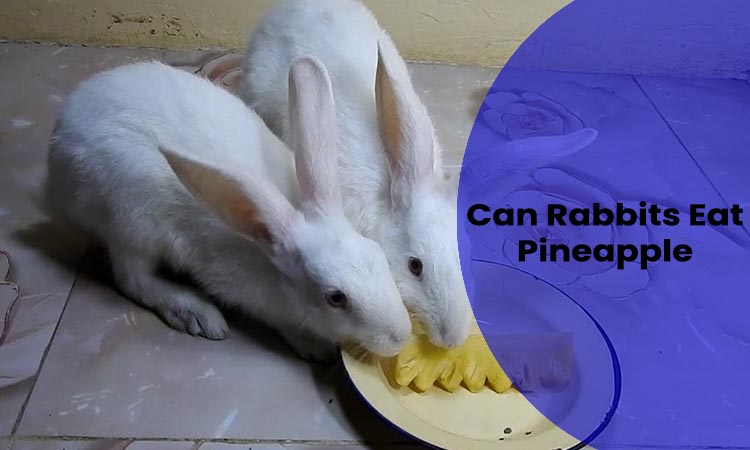
Rabbits are gentle, active pets that need a carefully balanced diet to stay healthy. Their everyday food should mainly include unlimited hay, fresh leafy greens, clean water, and a small amount of rabbit pellets.
Many rabbit owners also wonder if they can give their bunny a sweet fruit treat such as pineapple. So, can rabbits eat pineapple?
Yes, rabbits can eat fresh pineapple, but only in small amounts and as an occasional treat. Pineapple contains vitamins, fiber, and natural sugar. Too much sugar can cause digestive problems, weight gain, and poor eating habits in rabbits.
This guide explains whether pineapple is safe for rabbits, how much they can eat, how to introduce it, and which risks to watch for.
Is Pineapple Safe for Rabbits?
Pineapple is generally safe for healthy adult rabbits when it is served fresh and in moderation. It contains vitamin C, vitamin A, fiber, and an enzyme called bromelain. Bromelain helps break down protein, although the tiny portion given to a rabbit is not enough to make pineapple a regular digestive aid.
The main concern is pineapple’s natural sugar. Rabbits need a high-fiber diet based on hay and leafy greens, not sweet fruits. Frequent or large servings of pineapple may cause:
- Diarrhea or soft droppings
- Gas and digestive discomfort
- Weight gain
- Poor appetite for hay and greens
- Mouth irritation from the fruit’s acidity
- Dental problems when sugary foods are given too often
Pineapple should never replace hay, vegetables, water, or a small portion of pellets. Think of it as a special reward for your furry friend, not a regular part of the daily diet.
How to Prepare Pineapple for Rabbits
Always choose fresh, ripe pineapple. Avoid canned pineapple, sweetened pineapple, pineapple in syrup, and processed pineapple products. These foods often contain added sugar or preservatives that rabbits don’t need.
Follow these steps before giving pineapple to your rabbit:
- Wash the pineapple.
- Remove the rough outer skin.
- Cut away the hard inner core.
- Slice the soft fruit into a very small piece.
- Offer only one small piece the first time.
The skin and core are tough and difficult for rabbits to chew and digest. They may also create a choking risk, so they should not be offered.
A piece about the size of a small dice is a good starting amount. Watch your rabbit for the next day to see how they respond. Check their appetite, behavior, and droppings. If everything remains normal, you can offer a similarly small portion on another occasional day.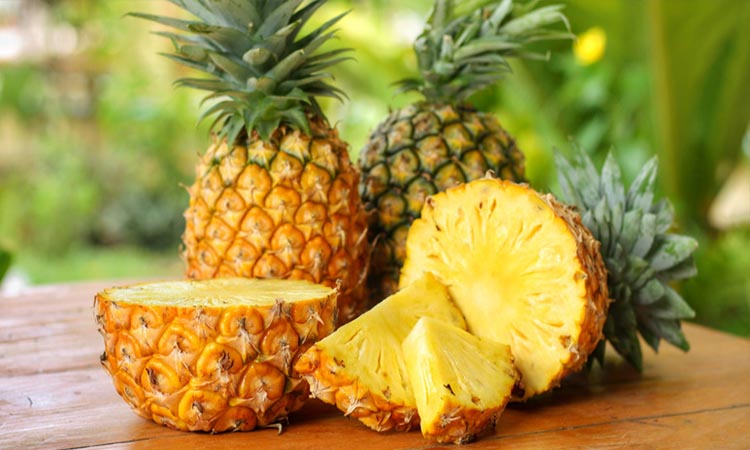
How Often Can Rabbits Eat Pineapple?
Most rabbits should have pineapple no more than once or twice a week. Some rabbits may do better with it less often, especially if they have a sensitive stomach, weight concerns, or a history of digestive problems.
A small piece is enough. Larger servings aren’t healthier, and they add more sugar to your rabbit’s diet. Fruit treats should remain a small part of the overall diet, while hay and fresh greens provide most of the fiber your rabbit needs.
When introducing pineapple or any new food, add only one new item at a time. This makes it easier to identify the cause if your rabbit develops diarrhea, gas, or another digestive problem.
Baby rabbits under 12 weeks old should not be given pineapple. Their digestive systems are still developing, and sweet fruit may be too difficult for them to handle. Young rabbits should follow an age-appropriate diet recommended by a rabbit-savvy veterinarian.
Nutritional Benefits of Pineapple for Rabbits
A small amount of pineapple can provide some nutrients, but these benefits are limited because rabbits should only eat a tiny portion.
Vitamins and antioxidants
Pineapple contains vitamin C and vitamin A. These nutrients support normal body function, immune health, skin health, and vision. Healthy rabbits usually produce their own vitamin C, so pineapple isn’t necessary for meeting this need.
Fiber
Pineapple contains some dietary fiber, which supports normal movement through the digestive tract. Still, it has far less fiber than hay and leafy greens. Hay remains the best food for supporting healthy digestion and helping wear down rabbit teeth.
Bromelain
Bromelain is a natural enzyme found in pineapple. It helps break down proteins. While this sounds helpful, a small pineapple treat shouldn’t be used to manage digestive problems. If your rabbit has changes in appetite, droppings, or energy, contact a veterinarian instead of trying to treat the problem with fruit.
A tasty reward
Some rabbits enjoy the sweet taste of pineapple. A tiny piece can work as an occasional reward during gentle handling, grooming, or training. Keep the serving small so the treat doesn’t become more important than your rabbit’s regular food.
Possible Risks of Pineapple for Rabbits
Pineapple can be a safe treat, but it isn’t suitable for unlimited feeding. The following risks are important to understand.
High sugar content
Pineapple is naturally sweet. Too much sugar can contribute to weight gain and may upset the balance of bacteria in a rabbit’s digestive system. It can also encourage your bunny to choose fruit over hay and greens.
Rabbits that are overweight or prone to digestive issues may need to avoid pineapple altogether. Ask your veterinarian about suitable treats if your rabbit has a health condition.
Digestive upset
A large portion or a sudden change in diet may lead to diarrhea, soft droppings, gas, bloating, or reduced appetite. Rabbits have sensitive digestive systems, so new foods should always be introduced slowly.
Stop offering pineapple if you notice unusual droppings, a change in eating habits, low energy, or signs of discomfort. A rabbit that stops eating needs prompt veterinary attention because digestive problems can become serious.
Acidity and mouth irritation
Pineapple is acidic. Too much may irritate a rabbit’s mouth or digestive tract. If your rabbit drools, rubs their mouth, avoids food, or seems uncomfortable after eating pineapple, don’t offer it again and contact your veterinarian.
Not enough fiber
Fruit doesn’t provide the same amount of fiber as hay. If a rabbit eats too many soft, sweet foods, they may eat less hay. This can affect digestion and dental health and may increase the risk of gastrointestinal stasis.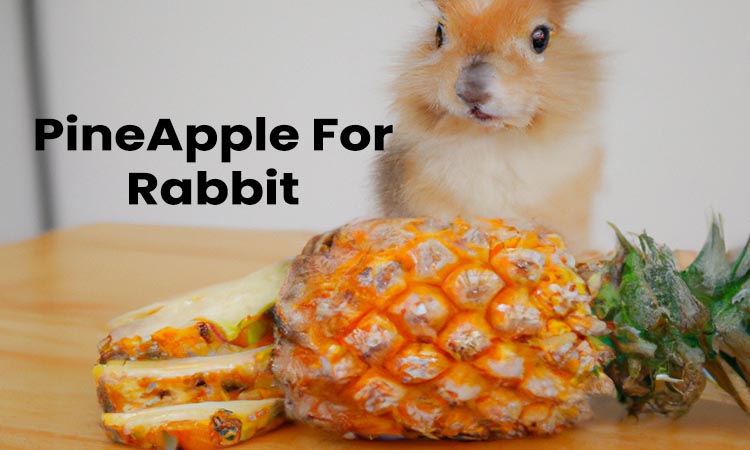
Pineapple Compared With a Rabbit’s Main Diet
Pineapple should be added only after your rabbit’s basic diet is already in place. A healthy routine usually includes:
- Unlimited grass hay, such as timothy or orchard hay
- A variety of suitable leafy greens
- Fresh water available at all times
- A measured amount of quality rabbit pellets
- Occasional treats, such as a small piece of fruit
Hay is especially important because it provides the fiber rabbits need and helps wear down their continuously growing teeth. Pineapple cannot provide the same benefits, even though it contains some fiber.
Lower-Sugar Treat Alternatives
If you want to give your rabbit variety without relying on sweet fruit, several options may work well. New foods should still be offered in small portions.
- Bell peppers provide a crunchy, low-sugar option.
- Cucumber is refreshing and contains plenty of water.
- Fresh herbs such as cilantro, basil, and parsley can add variety.
- Romaine lettuce and other rabbit-safe leafy greens are high in fiber and lower in sugar than fruit.
- Kale can be offered as part of a varied selection of greens.
- Small portions of pumpkin may provide fiber, but avoid sweetened or spiced pumpkin products.
- Berries such as strawberries, blueberries, raspberries, and blackberries can be occasional fruit treats.
- Apple can be offered in a small amount after removing the stem, core, and seeds.
Carrots are also popular with rabbits, but they contain more sugar than many leafy vegetables. Offer them as an occasional treat instead of making them a daily food.
You can also check Can Rabbits Eat Grapes? for more information about fruit treats.
Frequently Asked Questions
Can rabbits be allergic to pineapple?
Pineapple allergies are uncommon, but some rabbits may be sensitive to the fruit. Stop feeding pineapple if your rabbit develops mouth irritation, digestive problems, unusual behavior, or another concerning reaction. Speak with a veterinarian if the symptoms continue.
Can pineapple improve a rabbit’s digestion?
Pineapple contains bromelain, an enzyme that helps break down protein. However, rabbits should only receive a very small amount of pineapple, so it should not be used as a treatment for digestive problems. Hay, water, and a suitable diet are much more important for normal digestion.
Contact a veterinarian if your rabbit has diarrhea, stops eating, produces fewer droppings, or seems uncomfortable.
Can baby rabbits eat pineapple?
No. Rabbits under 12 weeks old should not eat pineapple or other sweet fruit. Their digestive systems are still developing, so fruit may cause digestive upset. Follow a suitable young-rabbit feeding plan and ask a rabbit-savvy veterinarian if you are unsure what to offer.
Can pineapple cause diarrhea in rabbits?
Yes. Too much pineapple, a sudden introduction, or individual sensitivity may lead to diarrhea or soft droppings. Offer only a tiny piece at first and stop feeding it if your rabbit’s droppings change.
Is canned pineapple safe for rabbits?
No. Canned pineapple and pineapple packed in syrup often contain added sugar and preservatives. Fresh pineapple is the better choice, with the skin and hard core removed.
What are the main risks of feeding pineapple to rabbits?
The main risks include excess sugar, weight gain, diarrhea, gas, mouth irritation, and reduced interest in hay. Serving only a tiny fresh piece once or twice a week can lower these risks.
Final Thoughts
Rabbits can eat pineapple, but only as an occasional treat. Give your bunny a small piece of fresh pineapple with the skin and hard core removed. Start slowly and watch for changes in appetite, behavior, and droppings.
Pineapple should never replace unlimited hay, fresh greens, water, or a measured amount of pellets. With small portions and careful monitoring, your rabbit can enjoy this sweet tropical fruit without losing the healthy feeding routine they need.