Many people choose pet rabbits as friendly companions. Rabbits are naturally timid, but they can become comfortable with people and enjoy spending time indoors. Some bunnies even roam through the home like cats or dogs.
Keeping rabbits indoors protects them from many outdoor dangers, but it doesn’t remove every risk. Rabbit food, droppings, water, hay, and bedding can attract unwanted rodents if the area isn’t cleaned and secured properly.
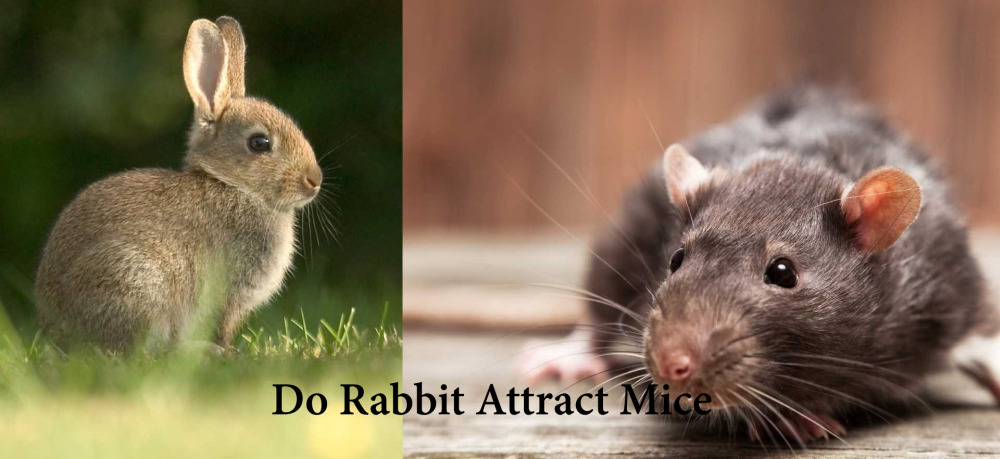
So, do rabbits attract mice? Can mice hurt your bunny? The answer is simple: mice usually aren’t interested in the rabbit itself. They are attracted to the food, water, shelter, and nesting materials found around the rabbit’s living area.
What Attracts Mice to Rabbits?
Rabbits aren’t natural prey that mice want to approach. A rabbit is much larger than a mouse, so rodents normally avoid direct contact. The problem is the comfortable habitat that can develop around a rabbit hutch, pen, or litter area.
Mice have a strong sense of smell. They can locate spilled pellets, vegetable pieces, hay, and other food scraps with ease. A rabbit’s water bowl also gives rodents a nearby source of water.
Rabbit enclosures may offer everything a mouse needs:
- Easy access to rabbit food
- Water from a bowl or bottle
- Hay and bedding for nesting
- Droppings that may be eaten
- Warm, hidden spaces
- Protection from cold weather and predators
Mice are opportunistic animals. If they find food and shelter in one place, they may continue returning to that area.
An enclosure that contains old bedding, uneaten food, open containers, or many hiding spaces can become especially appealing. This is why regular cleaning and proper storage are so important for keeping mice away from your bunny.
Does Rabbit Poop Attract Mice?
Yes, rabbit droppings can attract mice and rats. Rodents may eat fecal matter as part of coprophagy, which is the consumption of feces. This behavior can help them recover nutrients that were not absorbed during the first stage of digestion.
Rabbit droppings may be appealing because pet rabbits usually eat a regular diet of hay, pellets, and fresh greens. Rodents can smell these droppings and may return when they find them in or around the enclosure.
Rabbit feces can contain nutrients such as:
- Vitamin K
- B vitamins
- Folic acid
- Biotin
- Phosphorus
- Potassium
This doesn’t mean that every rabbit enclosure will attract mice. The risk becomes higher when droppings are allowed to build up, food is left on the floor, or the hutch provides a quiet place for rodents to hide.
Clean the litter area regularly and remove droppings from the enclosure and the surrounding floor. This simple habit can reduce the food sources available to mice.
Can Rats and Mice Harm Rabbits?
Rats and mice can put rabbits at risk. Rodents may carry bacteria and other pathogens in their urine, saliva, feces, and nesting materials. They can contaminate a rabbit’s food and water, especially when the bowl or storage container is left within reach.
A large rat may also bite a rabbit, especially if it feels threatened or is competing for food. Young, elderly, sick, or injured rabbits may be more vulnerable.
Rodent contact may lead to:
- Bite wounds
- Skin infections
- Contaminated food or water
- Stress and fear
- Competition over food
- Damage to bedding and housing
Contact a rabbit-savvy veterinarian if your bunny has been bitten, has a wound, or may have eaten food contaminated by rodents. Don’t wait for symptoms to become serious.
Rat-Bite Fever
Rat-bite fever is a bacterial infection associated with rodent bites and contaminated materials. Bacteria such as Streptobacillus moniliformis and Spirillum minus can spread through bites, scratches, contaminated food, water, urine, saliva, and droppings.
Possible signs of infection can include:
- Fever
- Diarrhea
- Joint pain
- Muscle pain
- Skin sores or ulcers
- Tiredness
- Loss of appetite
These symptoms can also occur with other illnesses, so a veterinarian should examine your rabbit and recommend the right treatment.
How to Keep Mice Away From Your Rabbit
The best way to prevent mice is to remove their access to food, water, and shelter. You don’t need to wait until you see a rodent inside the hutch. Small changes to your rabbit’s setup can make the area much less inviting.
Store Rabbit Food Securely
Keep pellets, hay, treats, and other rabbit supplies in sealed, sturdy containers. Thin bags and cardboard boxes are easy for mice to chew through.
Clean up spilled pellets and vegetables as soon as possible. Remove uneaten fresh food before it begins to spoil, and don’t leave treats on the floor overnight.
Clean the Enclosure Often
Remove wet bedding, old hay, spilled food, and droppings on a regular schedule. Wash food and water dishes frequently, and clean the floor around the hutch as well.
A clean enclosure is healthier for your rabbit and gives rodents fewer reasons to visit.
Also see Indoor Rabbit Space for Happy Bunnies:
Remove Rodent Hiding Places
Look around the rabbit’s housing for items that could give mice a warm place to nest. Remove or secure:
- Wood piles
- Brush and compost
- Straw stored on the ground
- Cardboard boxes
- Old paper and fabric
- Loose cotton or bedding
- Containers with holes
- Animal fur
- Leftover food
- Other animal shelters
- Chicken coops near the rabbit area
Keep grass, weeds, and piles of leaves trimmed around an outdoor rabbit enclosure. If possible, place the hutch away from fields, grain, brush piles, and other areas where rodents are common.
Use a Rodent-Resistant Enclosure
Check the hutch for gaps, damaged panels, loose doors, and weak flooring. Mice can fit through very small openings, while rats can chew through some materials.
Chicken wire may not provide enough protection from rodents. Use strong, rodent-resistant mesh with openings small enough to keep mice and rats out. Make sure the wire is safely attached and doesn’t leave sharp edges that could injure your rabbit.
Outdoor hutches should also have a secure roof and a solid, easy-to-clean floor. Your rabbit needs protection from rodents, rain, cold, and other animals.
Be Careful With Traps and Rodent Poison
Traps should always be placed where your rabbit, other pets, and children cannot reach them. A trapped rodent may panic and injure itself, and some traps can also harm a curious bunny.
Rodent poison is especially risky around rabbits. A rabbit can be poisoned by eating bait directly or by contacting contaminated materials. There is also a risk if another animal eats a poisoned rodent.
Don’t use poison near your rabbit’s enclosure unless a pest-control professional gives you a safe plan. A professional can help identify entry points and choose methods that protect your pets.
Peppermint oil, cloves, and other strong scents are sometimes used as natural repellents, but they aren’t a complete solution. Strong fragrances, essential oils, air fresheners, and diffusers may also irritate a rabbit’s sensitive respiratory system. Focus first on cleaning, food storage, and blocking access.
Frequently Asked Questions
Do rabbits attract rats?
Rabbits themselves usually don’t attract rats. The food, water, droppings, bedding, and shelter around a rabbit can attract rodents when those materials are easy to access.
What attracts mice to a rabbit habitat?
Spilled pellets, uneaten vegetables, hay, dirty bedding, droppings, water bowls, and warm hiding places can all attract mice. Gaps in a hutch can also give rodents a safe place to enter and nest.
How can I stop mice from coming near my rabbit?
Store food in sealed containers, clean spills quickly, remove uneaten food, change soiled bedding, collect droppings, and block gaps in the enclosure. Keep the space around the hutch free from brush, boxes, compost, and other nesting materials.
Can mice live inside a rabbit hutch?
Yes, a rabbit hutch may provide a warm and sheltered nesting area for mice. Hay, straw, fabric, and bedding can give them materials to build a nest. Check the enclosure regularly for droppings, shredded materials, holes, and signs of chewing.
Should I worry if I see a rat near my rabbit?
Yes. A rat can contaminate food and water, carry harmful bacteria, bite a rabbit, or compete with your bunny for food. Move your rabbit to a secure, clean area while you inspect the enclosure and contact a safe pest-control service if needed.
Final Thoughts
Rabbits don’t attract mice simply because they are rabbits. Rodents are usually looking for easy food, clean water, warm bedding, and a protected place to hide.
Store rabbit food correctly, clean the enclosure often, remove droppings and leftovers, and use strong rodent-resistant housing. These steps help protect your bunny from bites, contaminated food, illness, and unnecessary stress.
A clean and secure rabbit habitat gives your furry friend a safer, healthier, and more comfortable place to live.