Having a pet bunny brings plenty of love and companionship, but rabbits need the right supplies to stay healthy, active, and comfortable. Whether you’re bringing home your first rabbit or improving your bunny’s current setup, a few basic items can make daily care much easier.
Your rabbit needs enough room to move, a healthy diet, safe toys, regular grooming, and a quiet place to rest. This guide covers 10 must-have rabbit supplies that can help you create a safe and happy home for your furry friend.
1. Spacious Enclosure
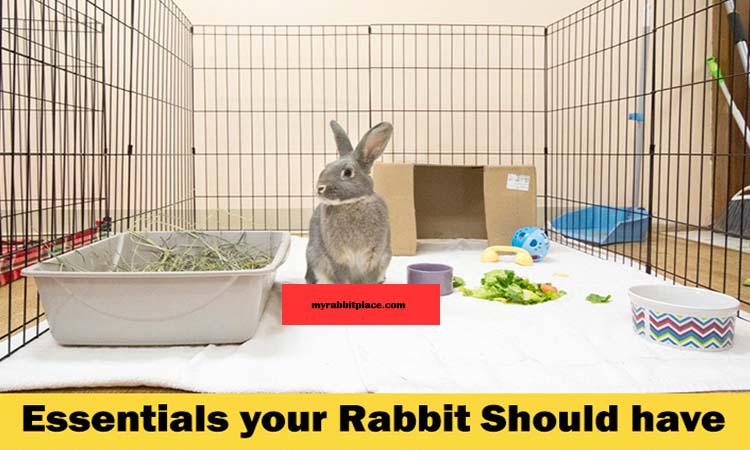
A spacious enclosure is one of the most important things your rabbit needs. Rabbits are active animals that like to hop, stretch, explore, and play. A small cage doesn’t provide enough room for healthy daily movement.
Choose an enclosure that gives your rabbit space for a litter box, food and water dishes, a hideout, toys, and a comfortable resting area. Your bunny should also have supervised time outside the enclosure in a rabbit-proofed room.
More space allows your rabbit to exercise and follow natural behaviors. It also gives your bunny room to move away from the litter box and keep different areas for eating, playing, and resting.
Check How to make a rabbit room.

2. Safe and Comfortable Bedding
Rabbits need a clean, dry place to rest. Safe bedding can provide warmth and make the enclosure more comfortable, especially during colder weather.
Hay or straw can be placed in a resting area, but hay should also be available as food throughout the day. Paper-based bedding is another option for some rabbits. Avoid bedding made from cedar or strongly scented wood because the dust and oils may irritate your rabbit’s breathing.
Change damp or dirty bedding often. A clean resting area helps protect your rabbit’s feet and keeps the enclosure more pleasant.
3. High-Quality Rabbit Pellets
Rabbit pellets can provide extra nutrients when they are given in the right amount. Choose plain, high-quality pellets made for rabbits, preferably with a good fiber content. Avoid mixes that contain colorful pieces, seeds, nuts, or sugary ingredients.
Pellets should support your rabbit’s diet, not replace hay. The correct portion depends on your rabbit’s age, size, activity level, and health. Young rabbits, senior rabbits, and rabbits with health concerns may have different feeding needs.
Along with measured pellets, offer unlimited grass hay, suitable leafy greens, and clean water.
Also read: What To Feed Your Rabbit
4. Fresh Hay
Fresh hay is one of the most important foods for a rabbit. Timothy hay, meadow hay, orchard grass, and oat hay are common choices. Your rabbit should have hay available all day and night.
Hay provides the fiber rabbits need for healthy digestion. It also helps move food through the digestive system and supports normal gut activity. Without enough fiber, rabbits can develop serious digestive problems.
Chewing hay also helps wear down a rabbit’s teeth. Rabbit teeth grow continuously, so regular chewing is needed to help prevent overgrown teeth and dental discomfort.
Keep hay fresh, dry, and easy to reach. If your rabbit suddenly eats less hay, pay close attention because changes in eating habits can be a sign of illness or dental pain.
Read Can Rabbits Live Without Hay? Learn why hay is such an important part of a rabbit’s daily diet.
5. Rabbit-Safe Chew Toys
Chewing is a normal rabbit behavior. It helps your bunny stay busy and supports natural tooth wear. Without enough safe things to chew, a rabbit may focus on furniture, baseboards, carpet, or electrical cords.
Choose toys made from untreated wood, willow, cardboard, or other materials made for rabbits and small animals. Untreated applewood and willow sticks are popular choices. Check toys often and remove anything that splinters, breaks into sharp pieces, or becomes too small.
Chew toys also provide mental stimulation. You can rotate a few toys every week so your rabbit has something different to explore.
6. A Clean Water Source
Fresh water must be available to your rabbit at all times. Water supports digestion, hydration, body temperature, and normal organ function.
Some rabbits prefer a heavy ceramic bowl, while others use a water bottle. A bowl should be difficult to tip over, and a bottle should be checked every day to make sure the nozzle isn’t blocked.
Wash the bowl or bottle often and replace the water regularly. If your rabbit drinks less than usual, or stops drinking, contact a veterinarian promptly.
7. Rabbit Grooming Supplies
Regular grooming helps keep your rabbit’s coat clean and free from mats. A soft brush or rabbit-safe comb can remove loose fur and reduce the amount of hair your bunny swallows while grooming.
Grooming also gives you a chance to check for:
- Mats and tangles
- Fleas or other skin problems
- Redness, scabs, or sore areas
- Changes in your rabbit’s coat
- Dirt around the tail or feet
Many rabbits shed heavily at certain times of the year, so they may need more frequent brushing during a molt. Groom gently and take breaks if your rabbit becomes nervous. Grooming can become a calm bonding routine when your bunny learns that it is safe.
Don’t bathe your rabbit unless a veterinarian tells you to. Full baths can cause stress and make it difficult for a rabbit to stay warm.
8. A Rabbit-Friendly Litter Box
A litter box helps keep your rabbit’s enclosure clean and can make free-roam time easier to manage. Rabbits often choose one corner as their bathroom, so place the box in the area your bunny already prefers.
Choose a box that is large enough for your rabbit to turn around comfortably. Adding a little hay near or above the litter box can also encourage good litter habits because many rabbits like to eat while they use the bathroom.
Use rabbit-safe litter, such as paper-based litter or another non-toxic option recommended for small animals. Avoid cedar, pine, clumping cat litter, and scented products. Some rabbits chew their litter, so the material must be safe if small amounts are swallowed.
Remove wet spots and droppings regularly. Clean the box fully as needed to control odors and keep your rabbit’s living area fresh.
9. Hideouts and Tunnels
Rabbits are prey animals, so they need a safe place to hide when they feel nervous, tired, or overstimulated. A hideout gives your bunny a private space where they can relax without being disturbed.
Tunnels and cardboard boxes also encourage natural behaviors such as exploring, running, and looking for safe hiding places. You can add more than one hideout if you have multiple rabbits, so each bunny has a place to retreat.
Make sure every tunnel and hideout has enough room for your rabbit to enter, turn around, and leave easily. Remove anything with sharp edges or loose pieces. Replace cardboard items when they become wet, heavily chewed, or dirty.
10. A Rabbit Veterinary Care Kit
A small rabbit care kit can help you handle routine care and minor problems while you arrange professional help. Useful supplies may include:
- Small-animal nail clippers
- Rabbit-safe styptic powder for minor nail bleeding
- Soft gauze or cotton pads
- A digital thermometer for use only with veterinary guidance
- A soft towel
- A carrier for veterinary visits
- Contact information for your rabbit veterinarian
Styptic powder may help with a small amount of bleeding from a nail trim, but it isn’t a treatment for serious wounds. Never delay veterinary care for heavy bleeding, breathing trouble, severe pain, loss of balance, or other emergencies.
Keep the care kit in a clean, easy-to-find place. Check it from time to time and replace used or expired supplies.
Frequently Asked Questions
Why does my rabbit need hideouts and tunnels?
Hideouts give rabbits a quiet place to rest and feel protected. Tunnels provide exercise and encourage natural behaviors such as exploring and running. Together, they make the enclosure more comfortable and interesting.
What should I keep in a rabbit veterinary care kit?
A basic kit can include nail clippers, styptic powder, soft gauze, a towel, and a safe carrier. Keep your veterinarian’s phone number nearby as well. A home care kit is useful for small tasks, but it doesn’t replace professional treatment.
Are rabbit pellets necessary?
Pellets can provide extra nutrients, but they should be measured and offered as part of a balanced diet. They shouldn’t take the place of unlimited grass hay. Your rabbit’s age, size, and health help determine the right portion.
Why does my rabbit need hay every day?
Hay provides the fiber your rabbit needs for digestion and healthy gut movement. The long fibers also encourage chewing, which helps wear down continuously growing teeth. Fresh hay should be available throughout the day.
How much space does a rabbit need?
Your rabbit needs enough room to stand, stretch, hop, turn around, and move between their food, water, litter box, and resting areas. A larger enclosure is better, especially when your bunny doesn’t have access to a rabbit-proofed exercise area.
What is the best bedding for a rabbit?
Choose clean, dry, rabbit-safe bedding. Paper-based bedding, hay, and straw can work for different areas of the enclosure. Avoid cedar, pine, scented bedding, and materials that create a lot of dust.
Conclusion
A happy rabbit needs more than food and a cage. Your bunny also needs space to move, fresh hay, clean water, safe toys, regular grooming, and a private place to rest.
Watch your rabbit’s daily habits and learn what they like. Some rabbits enjoy tunnels and cardboard boxes, while others prefer chew toys, digging activities, or extra hiding spaces. When you understand your bunny’s personality, you can adjust the enclosure and care routine to fit their needs.
With the right rabbit supplies and regular attention, you can create a safe, clean, and comfortable home where your long-eared friend can eat, play, explore, and enjoy a healthier life.