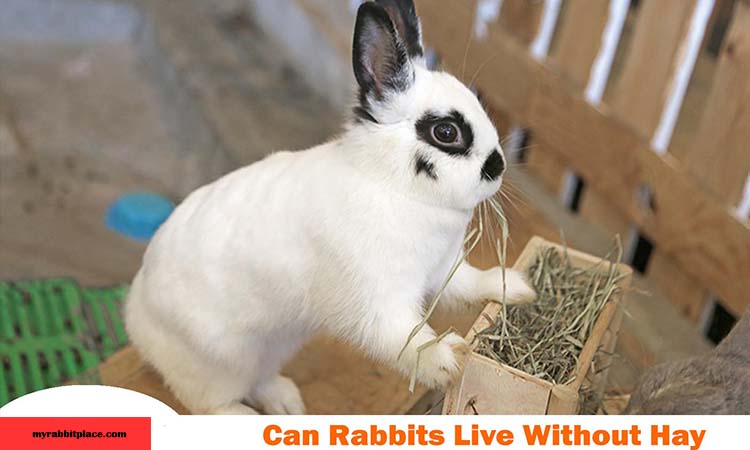
Can rabbits live without hay? This is a common question from rabbit owners who want to keep their bunnies healthy. The short answer is that rabbits should not go without hay for long. Hay is not just bedding or an occasional snack. It is the main part of a rabbit’s daily diet and supports healthy digestion, dental care, weight control, and natural chewing behavior.
In this guide, we’ll explain why rabbits need hay, what can happen when they don’t eat enough, how long they can safely go without it, and what foods can support a balanced rabbit diet.
Why Is Hay Important for Rabbits?
Hay is high in fiber and should be available to rabbits every day. A rabbit’s digestive system is designed to process fibrous plant material throughout the day. Constant access to hay helps keep food moving through the gut and lowers the risk of digestive problems such as gastrointestinal stasis.
Hay is also bulky but low in calories. This helps rabbits stay satisfied without eating too many calories. A diet built around hay can support a healthy weight, especially when pellets, fruit, and other high-calorie foods are carefully measured.
Chewing hay also helps wear down a rabbit’s teeth. Rabbit teeth grow throughout their lives, so they need regular chewing to help prevent overgrowth and poor alignment.
Fresh hay can also:
- Support normal gut movement
- Help rabbits maintain a healthy weight
- Provide natural chewing activity
- Reduce boredom and destructive behavior
- Support the movement of swallowed fur through the digestive tract
- Add fiber to a balanced diet
- Help rabbits follow their natural grazing habits
Wild rabbits spend much of their time eating grasses and other fibrous plants. For indoor rabbits, grass hay is the closest everyday option to this natural feeding pattern.
What Happens If a Rabbit Doesn’t Have Hay?
A rabbit may eat other foods for a short time without immediately showing a problem, but that doesn’t mean hay is optional. Long-term hay deprivation can lead to several health concerns.
Digestive problems
Without enough fiber, the digestive system may slow down. In serious cases, this can lead to gastrointestinal stasis, also called GI stasis. This is a condition where the normal movement of food through the gut becomes very slow or stops.
GI stasis can become life-threatening. A rabbit that stops eating, produces fewer droppings, appears painful, or becomes unusually quiet needs prompt veterinary attention.
Dental disease
Rabbit teeth continue growing throughout life. Hay provides the long, steady chewing action needed to help wear them down. Without it, teeth can become overgrown, misaligned, or painful.
Dental problems may cause:
- Difficulty chewing
- Drooling or a wet chin
- Weight loss
- Mouth sores
- Tooth-root problems
- Reduced appetite
- Abscesses
Weight gain
Pellets, fruit, and treats are usually more calorie-dense than hay. If a rabbit doesn’t eat hay, it may fill up on these foods instead. Too many pellets or sweet foods can lead to weight gain and may cause the rabbit to eat even less hay.
Boredom and unwanted behavior
Chewing and grazing are normal rabbit activities. When a bunny doesn’t have enough safe material to chew, it may become bored or start chewing on enclosure bars, furniture, carpets, or other household items.
Poor overall nutrition
Greens and pellets can add nutrients to a rabbit’s diet, but they shouldn’t replace the fiber and chewing activity provided by loose hay. A rabbit needs a balanced routine, not just a selection of individual foods.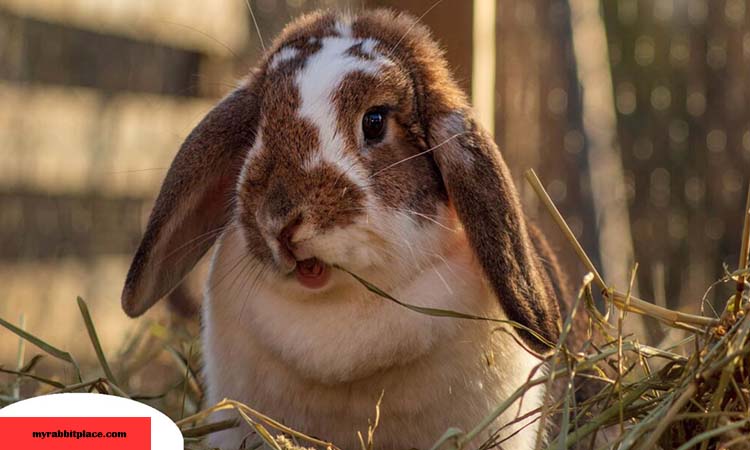
Nutritional Benefits of Hay
Hay is one of the most important foods for herbivorous pets such as rabbits and guinea pigs. Its main benefit is fiber, but it also supports several parts of a rabbit’s health.
Fiber for healthy digestion
Fiber helps food move through the digestive tract and supports normal droppings. It also helps maintain the healthy gut activity rabbits need every day.
A rabbit shouldn’t be fasted like some other pets. If your rabbit refuses food, don’t wait to see whether the problem goes away on its own. Contact a rabbit-savvy veterinarian, especially if the rabbit also stops drinking or producing droppings.
Support for healthy teeth
The texture of hay encourages repeated chewing. This helps wear down the front teeth and molars, which grow continuously.
Weight management
Hay is filling and relatively low in calories. It allows rabbits to graze throughout the day without consuming the large number of calories found in too many pellets, treats, or sugary foods.
Mental stimulation
Rabbits enjoy sorting, pulling, and chewing hay. Offering hay in a feeder, litter box, cardboard tube, or hay toy can make feeding time more interesting and encourage natural behavior.
Help with swallowed fur
Rabbits groom themselves and swallow some loose fur. Fiber helps move material through the digestive system. Hay doesn’t prevent every digestive problem related to fur, but a high-fiber diet supports normal gut movement.
Do Rabbits Need Hay to Survive?
Rabbits may survive for a short time while eating other foods, but hay is still necessary for long-term health. A rabbit can become sick even before it reaches a point where it cannot survive without food.
Hay provides the fiber, chewing action, and daily grazing routine that rabbits need. It should make up the largest part of an adult rabbit’s diet, often around 80 percent, while the rest comes from fresh greens, measured pellets, small amounts of vegetables, and occasional treats.
Wild rabbits naturally eat grasses and other rough plant material. Indoor rabbits need a safe replacement for that grazing activity, and grass hay is the simplest choice.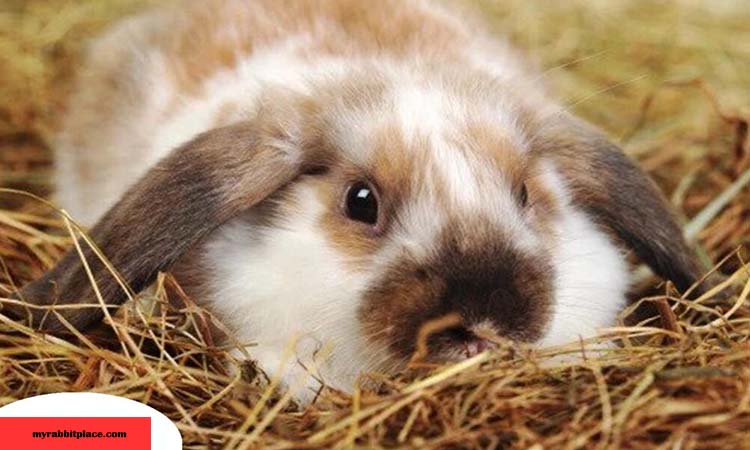
How Hay Protects Rabbit Dental Health
Rabbit teeth never stop growing. This is why daily chewing is more than an entertaining habit. It is part of normal dental care.
The long fibers in hay require rabbits to chew, pull, and grind their food. This repeated movement helps keep the teeth at a healthier length. It also produces saliva, which supports normal eating and mouth function.
When teeth don’t wear correctly, they may develop sharp points or grow in the wrong direction. These problems can injure the tongue, cheeks, or gums. A rabbit may then avoid food because eating hurts.
Signs of possible dental trouble include:
- Eating less hay
- Dropping food while chewing
- Choosing soft foods over hay
- Wet fur around the mouth
- Weight loss
- Smaller or fewer droppings
- Grinding the teeth from pain
- Hiding or acting less active
If you notice these signs, arrange a veterinary examination. Adding more hay won’t correct advanced dental disease by itself.
You can also read: What does Rabbit teeth grinding mean and why do rabbits do it?
How Long Can a Rabbit Go Without Hay?
There is no safe period for intentionally keeping a rabbit without hay. The exact risk depends on the rabbit’s age, health, diet, and how much other fiber it is eating, but rabbits should have hay available at all times.
Going without hay for a few hours may not cause an immediate emergency if the rabbit is eating other high-fiber foods and acting normally. Still, the longer the gap continues, the greater the concern. A rabbit that refuses all food for several hours may already be developing a serious problem.
If your rabbit stops eating or drinking, watch for:
- Fewer droppings
- Very small droppings
- A swollen or tense belly
- Sitting hunched up
- Low energy
- Tooth grinding
- Hiding
- Refusing favorite foods
Contact a veterinarian right away if your rabbit is not eating, especially if it has stopped producing droppings. Rabbits can become dangerously ill within a short time when their digestive system slows down.
Keep fresh hay, clean water, and suitable food available every day. If your rabbit suddenly stops eating hay, check the hay for dust, mold, dampness, or an unusual smell. You can also offer a different grass hay while arranging veterinary care if the rabbit is refusing food in general.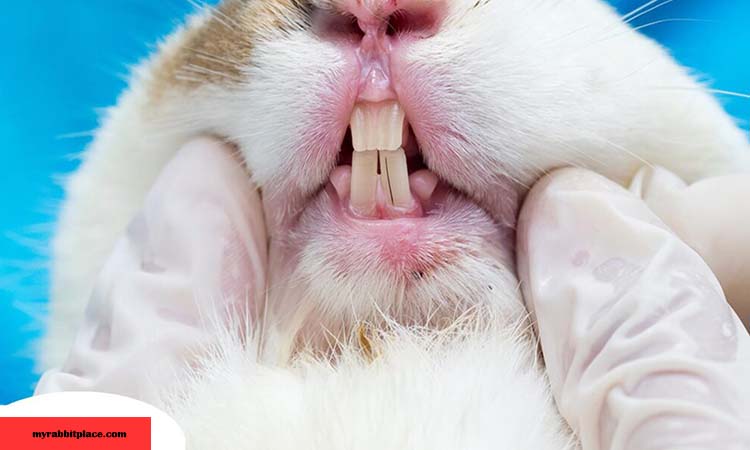
Common Misconceptions About Hay
Hay is only for bedding
Hay can be used as bedding in some situations, but its main purpose is food. Rabbits should receive clean, fresh hay for eating. Hay used as bedding may become soiled and should not be treated as the rabbit’s primary food supply.
Hay is optional
Hay is not an optional treat. It should be available every day because rabbits need its fiber and chewing action. Pellets and leafy greens are useful parts of the diet, but they shouldn’t replace unlimited grass hay.
Any type of hay is fine
Different hays have different textures and nutrient levels. Good choices for many adult rabbits include:
- Timothy hay
- Orchard grass hay
- Meadow hay
- Oat hay
Choose clean, dry hay that smells fresh and has a green or golden color. Avoid hay that is damp, moldy, dusty, or has an unpleasant smell.
Alfalfa hay is richer in calories, protein, and calcium. It may be suitable for young, growing rabbits or rabbits with special nutritional needs, but adult rabbits generally do better with grass hay. Ask your veterinarian before making alfalfa the main hay for an adult rabbit.
Rabbits stop needing hay when they grow up
Rabbits need hay throughout their lives. Adult rabbits still need its fiber for digestion and its texture for dental wear. Hay should remain part of the feeding routine even after a rabbit reaches maturity.
Hay is only for overweight rabbits
Hay is helpful for weight control, but healthy-weight and underweight rabbits need it too. It is a normal food for every rabbit, not a special diet reserved for rabbits that need to lose weight.
Hay is just a treat
Hay should not be treated like fruit or a commercial snack. It is the main food in a rabbit’s diet and should be available in large amounts every day.
Fresh greens can replace hay
Leafy greens provide moisture and useful nutrients, but they don’t provide the same long fiber and chewing action as loose grass hay. Greens should be added to hay, not used as a complete replacement.
How to Build a Balanced Rabbit Diet
A healthy rabbit diet is simple when the main foods are offered in the right amounts.
Keep hay available all day
Offer unlimited, fresh grass hay in a clean feeder or near the litter box. Many rabbits like to eat while using the litter box, so placing hay nearby can encourage better intake.
If your rabbit is bored with one type, try timothy, orchard grass, meadow, or oat hay. Offer new hay gradually and watch for changes in appetite or droppings.
Measure rabbit pellets
Pellets can provide vitamins and minerals, but they are more calorie-dense than hay. Too many pellets may cause weight gain and reduce hay consumption.
Choose plain, high-fiber rabbit pellets without added seeds, nuts, dried fruit, or colorful sweet pieces. The correct portion depends on your rabbit’s size, age, weight, and health. Your veterinarian can help you choose a suitable amount.
Offer fresh leafy greens
Wash greens before serving and introduce new foods slowly. Suitable options may include:
- Romaine lettuce
- Cilantro
- Parsley
- Dandelion greens
- Carrot tops
- Basil
- Mint
- Kale in moderation
Rotate different greens instead of serving only one type. Some greens contain more calcium or oxalates than others, so variety and moderate portions are helpful. A rabbit with urinary or kidney concerns may need a diet planned with a veterinarian.
Give vegetables and fruit in small amounts
Vegetables such as bell pepper, zucchini, and cucumber can add variety and moisture. Fruit should be an occasional treat because it contains more sugar.
Safe treat choices can include a small piece of apple without seeds, a strawberry, or a few blueberries. Treats should never take the place of hay.
Provide clean water
Your rabbit should have fresh water available at all times. A heavy bowl is often easy for rabbits to drink from, although some owners also use a water bottle. Check the water supply every day and clean the bowl or bottle regularly.
Change food slowly
A sudden diet change can upset a rabbit’s sensitive digestive system. Add new foods in small amounts and introduce only one new item at a time. This makes it easier to identify a food that causes soft droppings, gas, or a reduced appetite.
Watch your rabbit’s eating habits
A sudden change in food intake can be an early sign of pain or illness. Keep an eye on how much hay your rabbit eats, as well as its water intake and droppings.
If your rabbit eats less, stops eating, or produces fewer droppings, contact a veterinarian. Don’t rely on supplements or treats to correct a sudden appetite change.
Use hay toys and feeders
Hay toys, cardboard tubes filled with hay, and simple hay feeders can make meals more interesting. These options encourage chewing and give rabbits a safe activity when they need mental stimulation.
Ask a veterinarian before using supplements
Most healthy rabbits don’t need vitamin drops or other supplements when they receive a balanced diet. Too many supplements can cause problems, especially when they add extra calcium, sugar, or other nutrients.
Talk with a rabbit-savvy veterinarian before adding any supplement.
You can also learn about salt licks and their role in a rabbit’s diet.
What Can Replace Hay for Rabbits?
There is no perfect replacement for loose grass hay. Some foods can add fiber or variety, but they don’t provide the same combination of nutrition, long-stem fiber, and dental exercise.
Possible additions include:
- Pesticide-free fresh grass
- Timothy or meadow grass
- Safe herbs such as cilantro and parsley
- Romaine lettuce
- Hay cubes
- Plain hay-based pellets
- Rabbit-safe forage mixes
Fresh grass must be free from pesticides, herbicides, fertilizers, and animal waste. Never collect grass from roadsides or areas treated with chemicals. Introduce fresh grass slowly because a sudden increase can upset the digestive system.
Hay cubes and hay-based pellets may help in certain situations, but they shouldn’t automatically replace loose hay. Rabbits need the chewing action provided by long strands of grass. If your rabbit cannot eat loose hay because of dental disease, illness, or another special need, ask your veterinarian about a suitable feeding plan.
You can read more about rabbit-safe foods in What to Feed Rabbits.
Final Thoughts
Rabbits can sometimes eat other foods for a short period without hay, but that doesn’t make a hay-free diet safe. Hay should be available every day and should make up most of your rabbit’s food.
It supports digestion, helps wear down continuously growing teeth, encourages natural grazing, supports healthy weight, and gives your bunny something safe to chew. Keep fresh hay and clean water available at all times, add measured pellets and leafy greens, and contact a veterinarian quickly if your rabbit stops eating.
A steady hay routine is one of the easiest ways to help your long-eared friend stay healthy and happy.