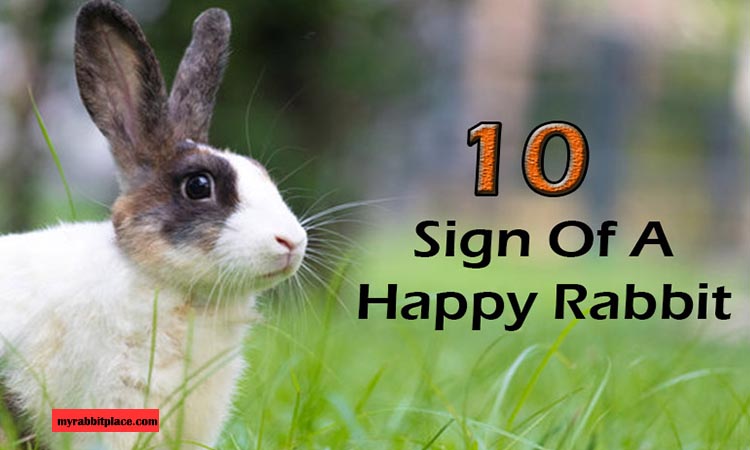
Rabbits are wonderful pets with many ways to show how they feel. Their ears, body movements, sounds, eating habits, and social behavior can all give you helpful clues about their happiness.
A happy rabbit usually feels safe, comfortable, and interested in its surroundings. Some bunnies show their joy with energetic binkies, while others prefer quiet cuddles, gentle grooming, or a relaxed position beside you.
Whether you are a new bunny owner or have cared for rabbits for years, learning these signs can help you understand your rabbit better. Here are 10 common signs of a happy rabbit.
1. Binkying
A binky is one of the clearest signs of rabbit happiness. Your bunny may jump into the air, twist its body, kick its feet, or make a quick turn while jumping.
These playful movements often happen when a rabbit feels excited, safe, and full of energy. Some binkies are large and dramatic, while others are small hops that happen during playtime.
Seeing your rabbit binky is a lovely sign that your bunny is enjoying life and feels comfortable in its home.
2. Purring
Rabbits can make a soft, gentle sound by lightly clicking or vibrating their teeth. This is sometimes called rabbit purring. It isn’t exactly like a cat’s purr, but it often happens when a rabbit is relaxed and satisfied.
Your bunny may purr while being gently petted, resting beside you, or enjoying a comfortable position with its eyes partly closed. A relaxed body and soft tooth-purring usually show contentment.
Loud or strong tooth grinding is different. If the sound is harsh or your rabbit also seems tired, hunched, or unwilling to eat, contact a rabbit-savvy veterinarian. You can also read What Does Rabbit Teeth Grinding Mean? for more information.
3. Relaxed Body Language
A relaxed rabbit is often a happy rabbit. Your bunny may lie on its side, stretch out its legs, or rest with its feet tucked underneath its body.
A full-body flop is one of the most noticeable examples. During a flop, the rabbit suddenly drops onto its side and relaxes its muscles. This usually means your bunny feels safe enough to rest without staying alert.
You may also notice relaxed shoulders, a soft body, and calm breathing. These signs show that your rabbit feels comfortable in its surroundings.

4. Active Exploration
Happy rabbits are usually curious about their environment. They may investigate a new tunnel, sniff furniture, play with toys, or explore different areas of their room.
Curiosity is a healthy part of rabbit behavior. A bunny that has enough space, enrichment, and freedom to move around will often spend time checking things out and finding new activities.
You should also pay attention to changes in your rabbit’s normal activity. If your bunny suddenly stops exploring, playing, or moving around, pain or illness may be the reason. Read What are the sign of a depressed rabbit to learn more about changes in rabbit behavior.
5. Playful Zoomies
Zoomies are sudden bursts of running and excitement. Your rabbit may race across the room, make sharp turns, run through a tunnel, and jump before speeding off again.
These quick runs are common when a bunny has plenty of energy and feels comfortable in its space. Zoomies may happen during playtime, after cleaning the room, or when your rabbit is excited to see you.
Give your bunny enough room to run safely. Remove sharp objects, block unsafe gaps, and use a secure play area where your rabbit can move freely.
6. Social Snuggles
Rabbits are social animals, and many enjoy spending time close to people or other bonded rabbits. Your bunny may sit beside you, rest against your leg, or settle near another rabbit.
Grooming, cuddling, and gentle nuzzling are also positive social behaviors. Rabbits often groom companions they trust, and some bunnies may lick your hand or clothing as a friendly gesture.
Not every rabbit enjoys being picked up or held. Let your bunny choose when to come close, and respect its personal space. A rabbit that sits near you by choice is already showing trust and comfort.
7. Comfortable Ear Positions
Your rabbit’s ears can tell you a lot about its mood. Ears held upright often show curiosity or alertness. Ears turned slightly to the sides usually mean the rabbit is calm and comfortable.
Some rabbits gently rest their ears backward when they are relaxed. The important thing is to look at the entire body, not the ears alone. A rabbit with relaxed ears, a loose body, and normal behavior is likely feeling safe.
Ears held tightly back against the head can also occur when a rabbit feels afraid, angry, or unwell. Watch for other signs before deciding what your bunny is trying to tell you.
8. Enthusiastic Eating
A healthy appetite is another good sign of a contented rabbit. Your bunny may eagerly eat hay, fresh greens, and the proper amount of pellets.
Hay should be available throughout the day because it supports healthy digestion and helps wear down a rabbit’s teeth. Enjoying meals and producing normal droppings are important parts of good rabbit health.
A sudden drop in appetite is not something to ignore. Rabbits can become seriously ill when they stop eating, so contact your veterinarian quickly if your bunny refuses food or produces fewer droppings.
9. Chin Rubbing and Marking
Rabbits have scent glands under their chins. When your bunny rubs its chin on furniture, toys, objects, or even you, it is leaving its scent.
Chin rubbing is normal marking behavior. It helps your rabbit become familiar with its surroundings and claim items as part of its space. A bunny that confidently explores and marks its environment often feels comfortable at home.
Your rabbit may also rub its chin on you. This is a sweet sign that you are part of its familiar surroundings and daily life.
10. Playful Bunting
Bunting happens when a rabbit gently bumps you or another rabbit with its head. Your bunny may nudge your hand, ask for attention, or bump a companion during a social moment.
A gentle nudge can mean affection, trust, or a request for petting. Some rabbits also bunt objects when they are exploring or trying to get your attention.
Bunting is usually a friendly behavior, but a stronger head push can sometimes mean your rabbit wants you to move or stop touching it. Pay attention to the rest of its body language so you can understand the message.
Also Read - How Rabbit Express their Affection?

Frequently Asked Questions
How do I know if my rabbit is happy?
Common signs of a happy rabbit include binkying, playful zoomies, relaxed body language, curiosity, normal eating, gentle purring, and friendly social behavior.
Every rabbit has its own personality. Some bunnies are energetic and playful, while others show happiness by resting near you or calmly accepting petting.
Can rabbits purr like cats?
Rabbits can make a soft tooth-purring sound when they feel comfortable. It may happen while your bunny is being petted or relaxing with its eyes partly closed.
Strong tooth grinding is different from gentle purring. If your rabbit seems uncomfortable, stops eating, hides, or sits hunched while grinding its teeth, contact a veterinarian.
How can I promote my rabbit’s happiness?
Give your rabbit a safe, spacious area with room to run, explore, and rest. Offer plenty of hay, fresh water, a suitable diet, safe toys, tunnels, and places to hide.
You can also spend calm time with your bunny, provide gentle petting when your rabbit wants it, and offer regular social interaction. Bonded rabbits often enjoy grooming and resting together, but introductions should always be handled carefully.
Do all rabbits show the same signs of happiness?
No. Rabbits have different personalities, habits, and comfort levels. One bunny may binky every day, while another may show happiness by eating well, exploring quietly, or sitting beside you.
Learn your rabbit’s normal behavior. Knowing what is usual for your bunny makes it easier to notice changes that may need attention.
Can older rabbits still show signs of happiness?
Yes. Older rabbits may not run or binky as often as younger rabbits, but they can still show happiness through a good appetite, relaxed body language, gentle grooming, curiosity, and affection.
Make sure older bunnies have comfortable flooring, easy access to hay and water, and a warm, quiet place to rest.
Why is it important to know if my rabbit is happy?
Understanding your rabbit’s behavior helps you build trust and provide better daily care. It can also help you notice early changes in appetite, movement, grooming, or social behavior.
A rabbit’s happiness depends on more than food and water. Safe housing, companionship, enrichment, exercise, and gentle handling all support a healthier and happier life.
Conclusion
Binkying, purring, relaxed body language, playful zoomies, social snuggles, comfortable ears, enthusiastic eating, chin rubbing, and bunting can all show that your rabbit feels safe and content.
Watch your bunny’s normal habits and look at several signs together. A relaxed posture, healthy appetite, curiosity, and friendly interaction usually provide a better picture than one behavior alone.
When you give your rabbit enough space, proper nutrition, safe toys, social time, and respectful attention, you create a home where your furry friend can feel comfortable and happy.