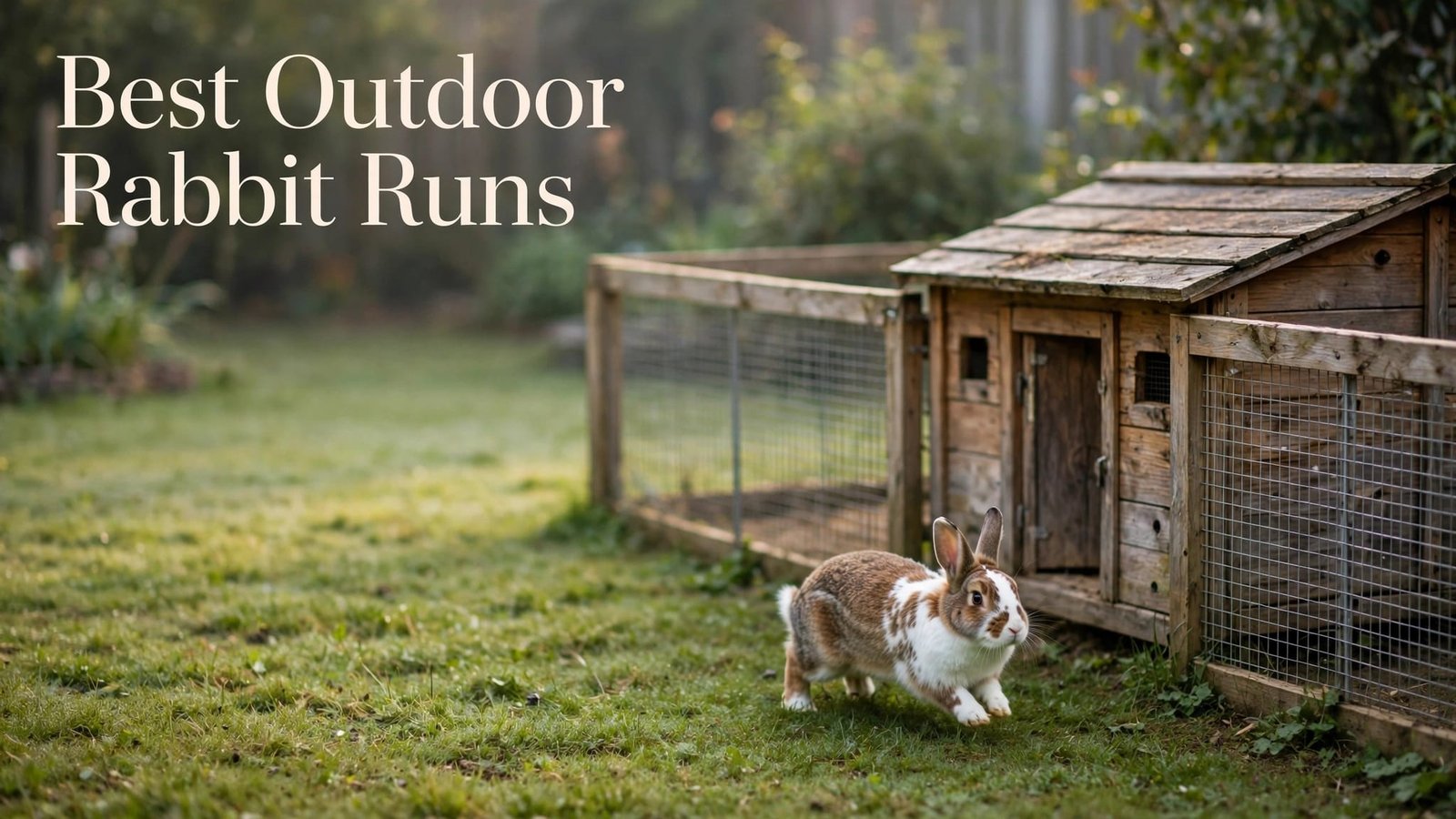
The best outdoor rabbit runs give your bunny generous usable space, a connected dry shelter, and secure boundaries. When comparing outdoor rabbit cages, look at the whole setup rather than the advertised length or price.
Your rabbit needs supervised outdoor access, with protection against escape, predators, and changing weather. A roomy run should make hopping, resting, and daily care easy without leaving your furry friend exposed. Start by comparing how each option will work for your rabbit, your yard, and your routine.
Best Outdoor Rabbit Runs: What to Compare Before You Buy
A useful run gives your rabbit room to move and makes everyday care manageable. Compare the finished setup, including shelter, connections, roof, and ground protection, before deciding whether a low starting price offers good value.
Choose a run style that fits your yard and daily routine
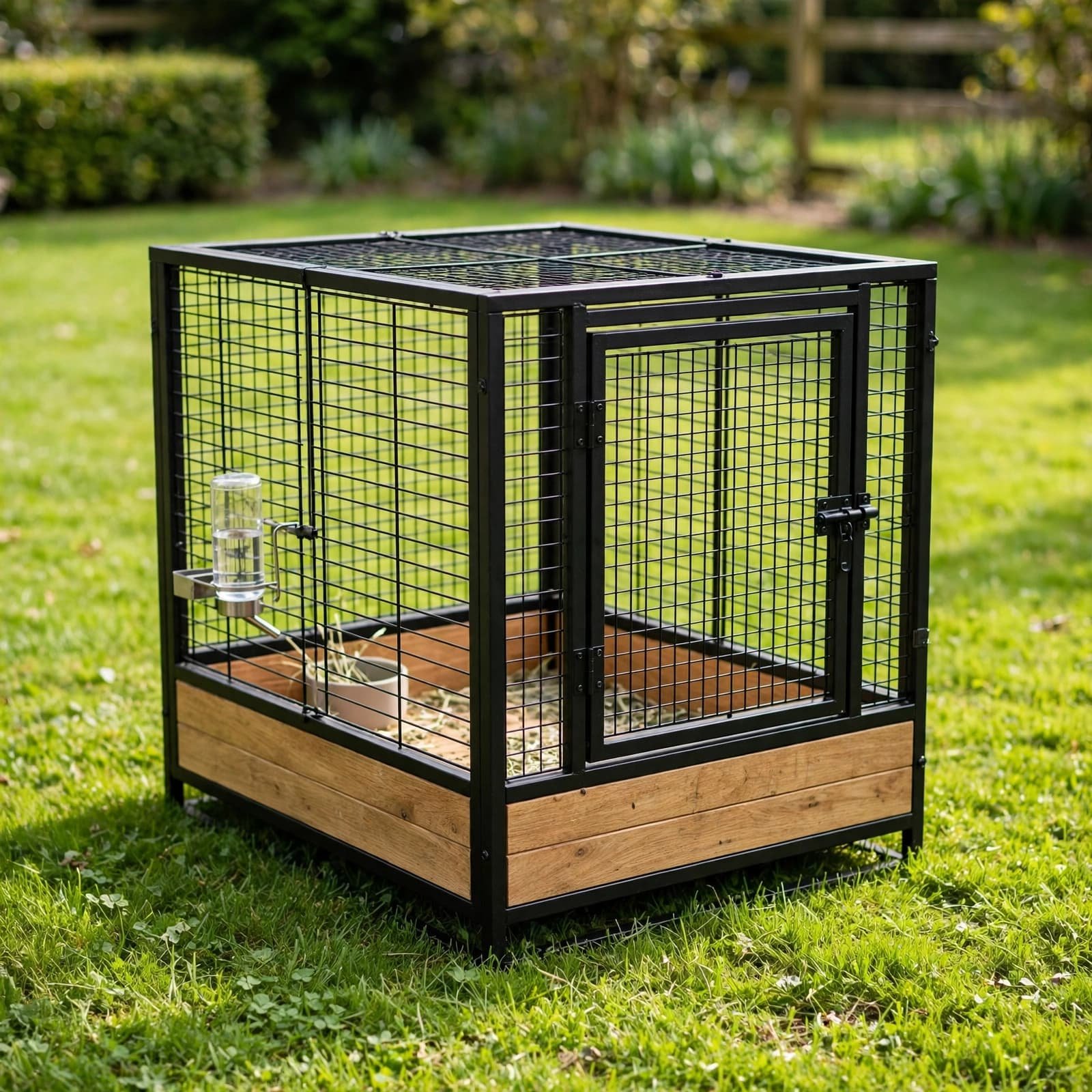
Standalone runs offer placement flexibility, but your bunny still needs an accessible sheltered resting area. Hutch-connected runs make movement between shelter and exercise space simpler, provided the connection is roomy and secure.
Modular panels can help you arrange or expand the footprint. Compare panel stability, corner connections, and whether you can reach every area for cleaning. Expansion is useful only when the finished structure remains dependable.
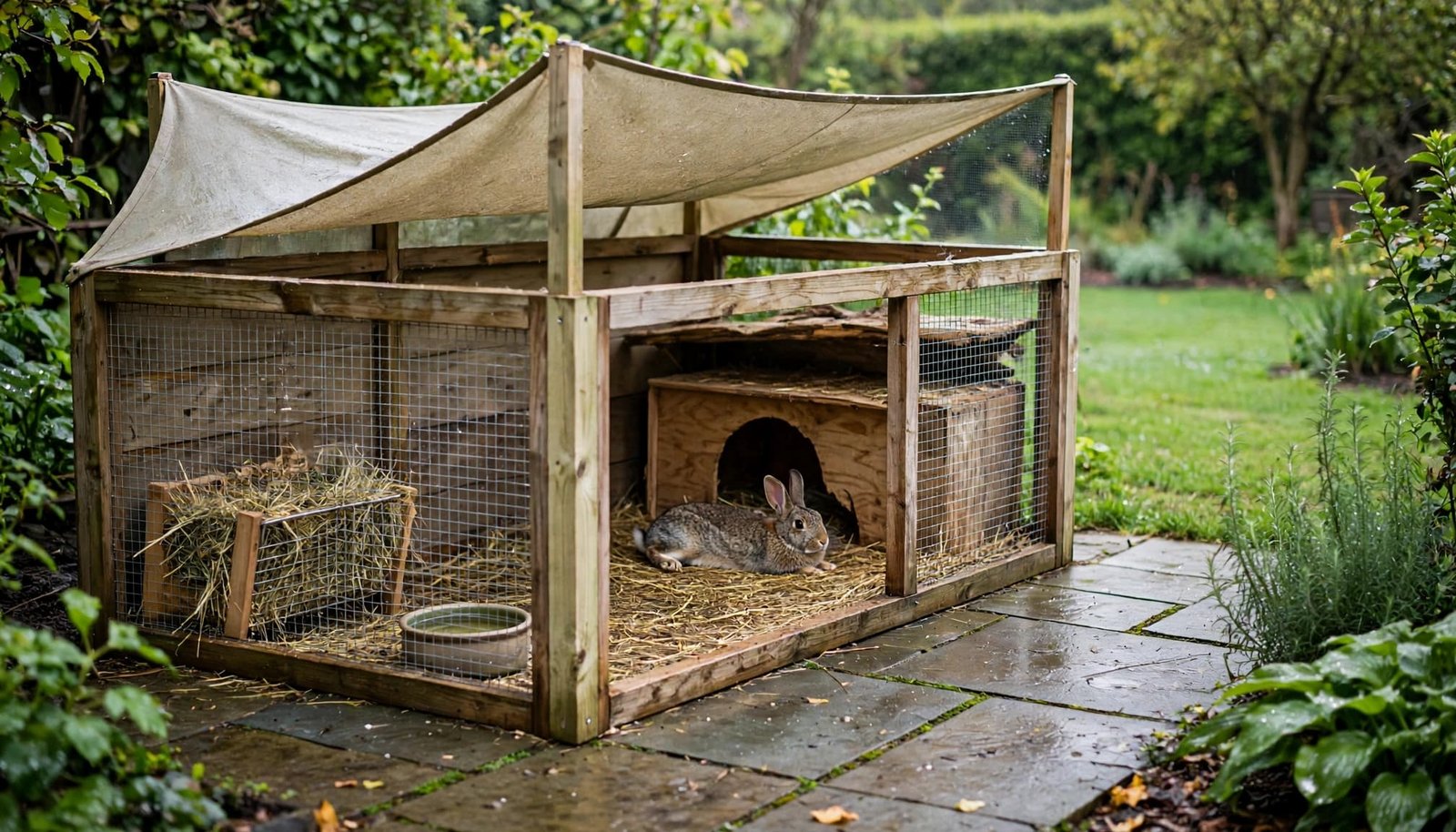
Covered runs add overhead protection, although a mesh roof doesn’t provide shade or rain cover. Portable designs can make lawn care easier, but portability doesn’t replace secure boundaries or direct supervision. Position the run where you can stay nearby.
Check the complete setup, not just the run itself
Look at the shelter, doors, roof, flooring, and joining points as parts of one home. Your rabbit should be able to move freely into shelter throughout outdoor time.
Include covers, connectors, ground protection, and expansion panels when comparing total costs. A compact package may need substantial additions before it offers enough usable room.
A hutch alone doesn’t provide generous exercise space. Occasional sessions in a small run don’t make up for cramped everyday housing, either. Choose a layout that supports comfortable movement throughout your rabbit’s living area, including wherever they stay indoors.
How Much Space Should Your Rabbit Run Provide?
For two bonded, average-sized rabbits, use about 3 by 2 meters of continuous living space, with roughly 1 meter of height, as a minimum planning reference. That’s approximately 10 by 6.5 feet, with 3.3 feet of headroom.
The RWAF minimum space recommendations support this starting point. It isn’t a universal ideal, and one rabbit doesn’t need only half that area. Larger or highly active rabbits may need more room.
Measure room for hopping, stretching, and resting
Measure the internal length and width, then map where hay, water, a litter box, and hideouts will sit. Look at the clear floor space left afterward.
Your bunny needs room to stretch out, stand upright, turn comfortably, and take several uninterrupted hops. Bonded rabbits also need places to rest separately when they choose.
The RSPCA’s rabbit housing guidance counts the main shelter and exercise area together. Keep those areas connected and accessible. Extra levels add interest, but they don’t replace continuous horizontal space, especially when ramps occupy the hopping route.
Make access easy for your rabbit and for you
Wide openings and comfortable footing help your bunny use the space you’ve provided. Narrow doors, slippery thresholds, and steep ramps can make parts of an enclosure difficult to reach.
Young, older, or less-mobile rabbits may need level entrances and shorter routes to essentials. Keep hay and water easy to reach without climbing.
Leave clearance outside the run for opening doors and removing litter trays. You should be able to clean every corner without dismantling panels or chasing your rabbit. If supplies block an entrance, rearrange the layout before outdoor time.
What to Look for in Outdoor Rabbit Cages and Runs
Strong construction matters across the whole enclosure. Ordinary garden fencing leaves overhead and underground routes open, while chicken wire alone may fail against determined predators or allow rodents through. No material is completely chew-proof.
Inspect mesh, doors, roof, and fastenings
Look for sturdy, securely attached welded mesh or hardware cloth with openings suited to local risks and small enough to exclude rodents. Thin mesh and loosely fixed edges can become weak points.
Inspect doors, roof panels, flooring, corners, and every connection between the run and shelter. Reject loose fasteners, sharp cut ends, weak panels, and gaps around entrances. Door fastenings should resist being pushed or worked open by nearby animals.
Cleaning access matters here, too. A wide door is helpful only when it closes firmly afterward. Check accessible edges for chewing damage before each outdoor session, including spots hidden behind supplies.
Protect the full perimeter from digging
Plan for your rabbit digging out and other animals digging in. Ground protection must cover the entire connected setup, including the shelter and any joining sections.
A properly installed mesh apron around the perimeter or suitable paving slabs can help protect vulnerable boundaries. Keep exposed wire away from hopping and resting surfaces. Your bunny still needs comfortable, stable footing and a dry resting area.
A protected run can still have an underground escape route beneath an unprotected shelter or connector.
Filling one hole isn’t enough. Inspect the full boundary regularly. Move your rabbit somewhere secure before repairs, then examine the complete enclosure again before allowing access.
Keep Your Rabbit Comfortable and Safe Outdoors
Placement and daily care matter alongside construction. Your rabbit needs dry shelter, shade, protected airflow, and a safe indoor alternative whenever outdoor conditions become unsuitable.
Plan for shade, airflow, and changing weather
Follow the shade across your yard before choosing a position. A comfortable morning spot can become dangerously hot during the afternoon.
Keep the sheltered resting area dry, with ventilation protected against wind-driven rain. Covers mustn’t block airflow or trap heat. Wood, plastic, and metal all need suitable placement; none automatically maintains a safe temperature.
Cold weather can leave bedding damp and drinking water frozen. Provide clean, dry bedding and check conditions more often during difficult weather.
Bring your bunny into a safe indoor space when heat, storms, or freezing conditions make outdoor access unsafe. Discuss local disease risks and appropriate vaccinations with a rabbit-experienced veterinarian.
Supervise outdoor time and check the run regularly
Never leave your rabbit outdoors unsupervised, even briefly. When supervision ends, return them to an appropriately sized, rabbit-proofed indoor living area.
Keep dogs, cats, and other pets away. Remove harmful plants, and don’t allow access to lawns while pesticides, herbicides, or fertilizers remain unsafe under their directions.
Check water, bedding, appetite, and droppings daily. Remove spilled feed, leftover fresh food, and nearby brush piles that could attract rodents. Store spare bedding away from the enclosure.
Our outdoor rabbit enclosure guide offers more help planning the complete setup.
Frequently Asked Questions
Can you introduce an indoor rabbit to an outdoor run?
Yes, but keep their familiar indoor home and introduce outdoor sessions gradually. Start with short, calm visits in mild conditions, with familiar hay and a hideout available. Bring your bunny inside if they appear frightened or uncomfortable.
Can your rabbit eat grass through the run?
Your rabbit can graze suitable, untreated grass, but introduce it gradually if they aren’t used to eating it. Keep hay available and watch their appetite and droppings. Don’t offer lawnmower clippings, which can ferment quickly, or allow access to unknown plants.
Can rabbits share an outdoor run with guinea pigs?
Keep rabbits and guinea pigs in separate, species-appropriate spaces. Their diets, communication, and health needs differ, and your rabbit can injure a guinea pig even without intending to. A guinea pig also isn’t a suitable replacement for compatible rabbit companionship.
What enrichment can you add without crowding the run?
Try a roomy tunnel, rabbit-safe chew items, or a cardboard hideout with two exits. Place them around the edges so your bunny keeps a clear hopping route. Remove damaged items and anything your rabbit chews into pieces they might swallow.
Should you move a portable run while your rabbit is inside?
No. Move your rabbit into a secure carrier or another safe enclosure before repositioning the run. Moving an occupied enclosure can trap feet or create escape gaps. Afterward, inspect the new location and secure every panel and ground-level connection before returning your bunny.
Choose a Run That Works for Your Bunny
The right outdoor rabbit run provides usable room, a connected shelter, secure mesh, and protection against digging. Weather comfort and easy supervision belong in that same buying decision.
Before choosing, map the complete setup around your rabbit’s size, mobility, and daily needs. Include supplies, door clearance, and room for cleaning, rather than relying on the package dimensions alone.
A suitable run should give your bunny space to enjoy outdoor time while keeping care practical for you. Generous space, comfortable access, and attentive supervision matter more than a tidy product photo.