Seeing your rabbit ignore a food they usually graze on can make you worry. Check that the hay is fresh and clean, then offer another suitable grass hay alongside it. Watch your rabbit’s overall appetite and droppings closely. A sudden refusal can signal dental pain or illness, so contact a rabbit-savvy veterinarian if eating decreases, droppings change, or your rabbit seems uncomfortable.
The next step depends on whether your bunny dislikes one batch or has started eating less overall.
Key Takeaways
- Rabbits don’t need to eat timothy hay if they readily eat another suitable grass hay, such as orchard, meadow, or oat hay.
- Check that hay is fresh, clean, easy to reach, and comfortable for your rabbit to eat. Keep suitable grass hay available throughout the day and night.
- For a rabbit that’s otherwise eating normally, try refreshing the hay, offering another grass variety, improving access, adding a simple feeding setup, reviewing pellet portions, and limiting treats.
- A sudden drop in overall appetite, smaller or fewer droppings, or signs of discomfort need veterinary attention. Seek urgent advice if your rabbit stops eating or produces markedly fewer or no droppings.
What to do if your rabbit won’t eat timothy hay
Timothy is a useful everyday grass hay, but your rabbit doesn’t need that particular variety to eat well. If they readily eat another suitable grass hay, such as meadow hay or oat hay, keep that option available.
The University of Florida’s rabbit care guidance identifies clean, fresh hay as a main dietary component and includes timothy and orchard grass among suitable choices. What matters is regular hay consumption, rather than loyalty to one variety.
Check the hay before you blame your rabbit
Start with the food you’re offering. Has your rabbit ignored only this bag, or have they gradually lost interest in several different batches?
Offer a fresh handful rather than expecting your bunny to finish everything left in the feeder. Rabbits sort through hay, so the remaining pile may contain strands they’ve already passed over.
Also, check the package’s hay type before buying another bag. Timothy hay varies by cut. Our guide to choosing timothy hay can help you compare options: first cut is often coarser, while second cut is often softer. Texture varies, so second cut isn’t automatically the better choice.
Notice whether your rabbit is avoiding all food
Compare hay eating with your rabbit’s usual interest in familiar pellets and greens. A bunny happily grazing on orchard grass, meadow hay, or oat hay while leaving timothy has a different problem from one turning away from every meal.
However, accepting a favorite treat doesn’t prove that everything is fine. You still need to watch normal meals and the litter box.
Look for changes in the number and size of droppings. Smaller or fewer fecal pellets can accompany reduced food intake. If your rabbit previously ate timothy readily and suddenly stops, contact your veterinarian rather than assuming they’ve developed a new preference.
The feeding changes below suit a rabbit that’s otherwise eating normally. They shouldn’t delay care for a rabbit whose appetite has dropped.
Six practical ways to encourage your rabbit to eat more hay
For an otherwise well rabbit, these six changes address freshness, variety, access, presentation, pellet portions, and treats.
Watch actual grazing as you make adjustments. Hay can disappear because your rabbit pulls it onto the floor, so an emptier feeder alone doesn’t tell the whole story. Compare what you see your bunny eating with their usual droppings.
A full hay rack proves that hay is available. It doesn’t prove your rabbit is eating it.
Offer a fresh handful and try another grass hay
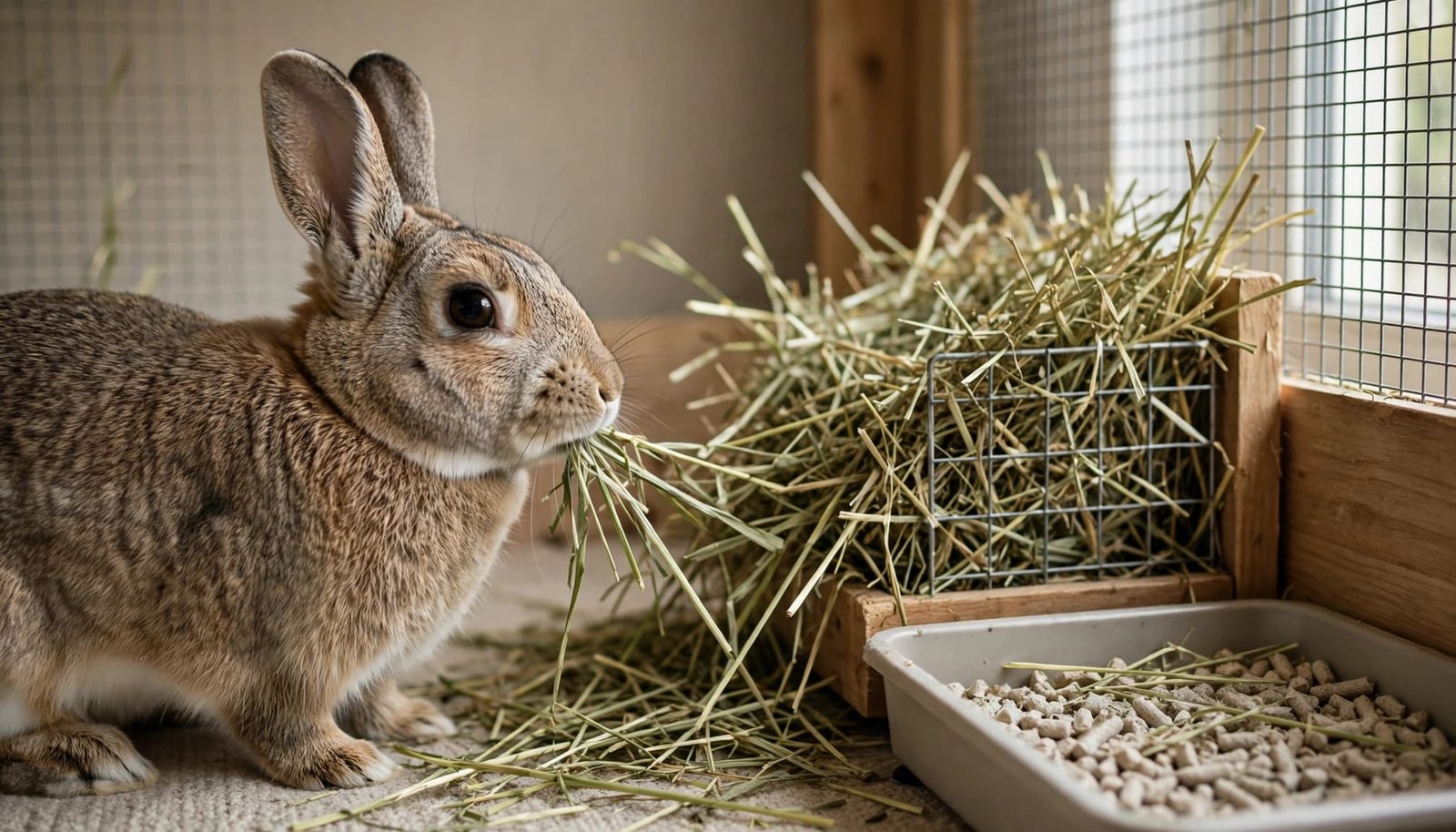
Your first change is to refresh the eating supply several times a day. Add a fresh handful even when some remains, and replace unappealing leftovers rather than repeatedly topping up the same pile. After cleaning the litter area is a convenient time to refresh nearby hay.
Keep fresh hay available throughout the day and night. Refreshing the supply means improving what’s offered, not restricting access between servings. Once your rabbit starts nibbling, notice whether they settle into their usual grazing routine or only sample a few strands.
Your second change is to offer a small amount of another suitable grass. Orchard grass hay, meadow hay, and oat hay give you different textures to try. Orchard hay is often softer, while oat hay commonly has thicker stems and seed heads. Meadow hay can contain different grasses, so its texture varies.
A hay sampler helps you compare textures without buying large bags. Place the new option beside familiar hay and introduce one choice from the hay sampler at a time. Keep other foods steady during the trial so you can follow changes in appetite and droppings.
If your bunny consistently eats orchard hay well, there’s no reason to force timothy simply because it’s familiar. However, don’t use increasingly appealing foods to explain away a sudden appetite change.
Alfalfa hay needs a separate decision. It’s a nutrient-dense legume hay, rather than a grass hay, and usually isn’t the everyday replacement for a healthy adult rabbit. Growing rabbits and rabbits with particular health needs may require a different feeding plan.
Make hay easy to find and fun to nibble
Your third change is to put the supply where your rabbit already spends time eating. Many rabbits graze while using their litter box, so placing it beside the litter area in the enclosure can help. Keep the eating portion separate from the litter itself.
Make sure your bunny can reach the supply comfortably in the enclosure. A hay rack that looks tidy to you may require awkward stretching or leave most strands out of reach. Keep a generous amount at a comfortable height, especially if your rabbit has difficulty moving around.
If you have bonded rabbits, watch each bunny eat. One enthusiastic hay eater can empty a shared feeder while their companion eats very little. Shared access doesn’t tell you how much each rabbit consumes.
Your fourth change is to offer a simple, safe feeding setup. A clean hay feeder, foraging box, or plain cardboard box can let your rabbit pull, sort, and nibble. A small amount of rabbit-safe dried herbs can add scent and interest.
Choose a setup without tight openings that could catch a head or limb. With cardboard, remove tape and staples, and take it away if your rabbit eats substantial amounts rather than merely chewing it. Don’t use dried herbs to coat or replace hay.
Keep loose hay easily accessible even when you offer some through a toy. Enrichment should add interest without making every mouthful a puzzle. Judge any feeder by whether your rabbit comfortably eats more, rather than by how long it keeps them occupied.
Time to upgrade to a 3-in-1 Litter and Feeding Station?
Rabbits are natural multitasking grazers—they prefer to eat fresh hay while using their litter box. If your rabbit’s hay is hanging on the opposite side of the enclosure or sitting on the floor where it gets trampled, they will likely turn their nose up at it. To fix this behavior instantly, look into a wooden combo unit like the BESNEW 3-in-1 Feeding Station.
Check pellet portions and keep treats limited
Your fifth change is to review pellet portions. Pellets have more calories than grass hay, so generous servings can leave a healthy rabbit less interested in grazing.
Measure the amount you offer instead of refilling the bowl whenever it looks empty. Choose plain, high-fiber rabbit pellets without seeds, nuts, dried fruit, or colorful sweet pieces. The appropriate serving depends on your rabbit’s age, size, body condition, and health.
You can use NC State’s rabbit nutrition guidance as background for understanding the wider diet. For individual portion changes, especially with a growing rabbit or one receiving medical care, involve your veterinarian.
Don’t abruptly remove necessary food to force hay eating. If your rabbit already eats less than usual, reducing their accepted foods could make matters worse. Keep unlimited clean grass hay available while you review the routine.
Your sixth change is to limit treats so they don’t crowd out grazing. Fruit and commercial sweet treats should remain small, occasional additions. Repeated snacks throughout the day can add up, even when each serving looks tiny.
Consider everything your rabbit receives, including treats offered by other household members. Agreeing on one daily allowance prevents several people from each offering an extra portion.
Avoid coating hay with sweet foods to persuade your rabbit to eat it. Instead, judge the routine by steady hay consumption and normal droppings. Also, keep fresh drinking water available and continue appropriate, familiar greens.
When hay refusal means you should call the vet
A different grass hay variety can help with preference, but it can’t treat advanced dental disease or another illness. A sudden change in overall appetite can point to digestive issues, so veterinary assessment takes priority over another shopping trip.
Treat reduced appetite and droppings as warning signs
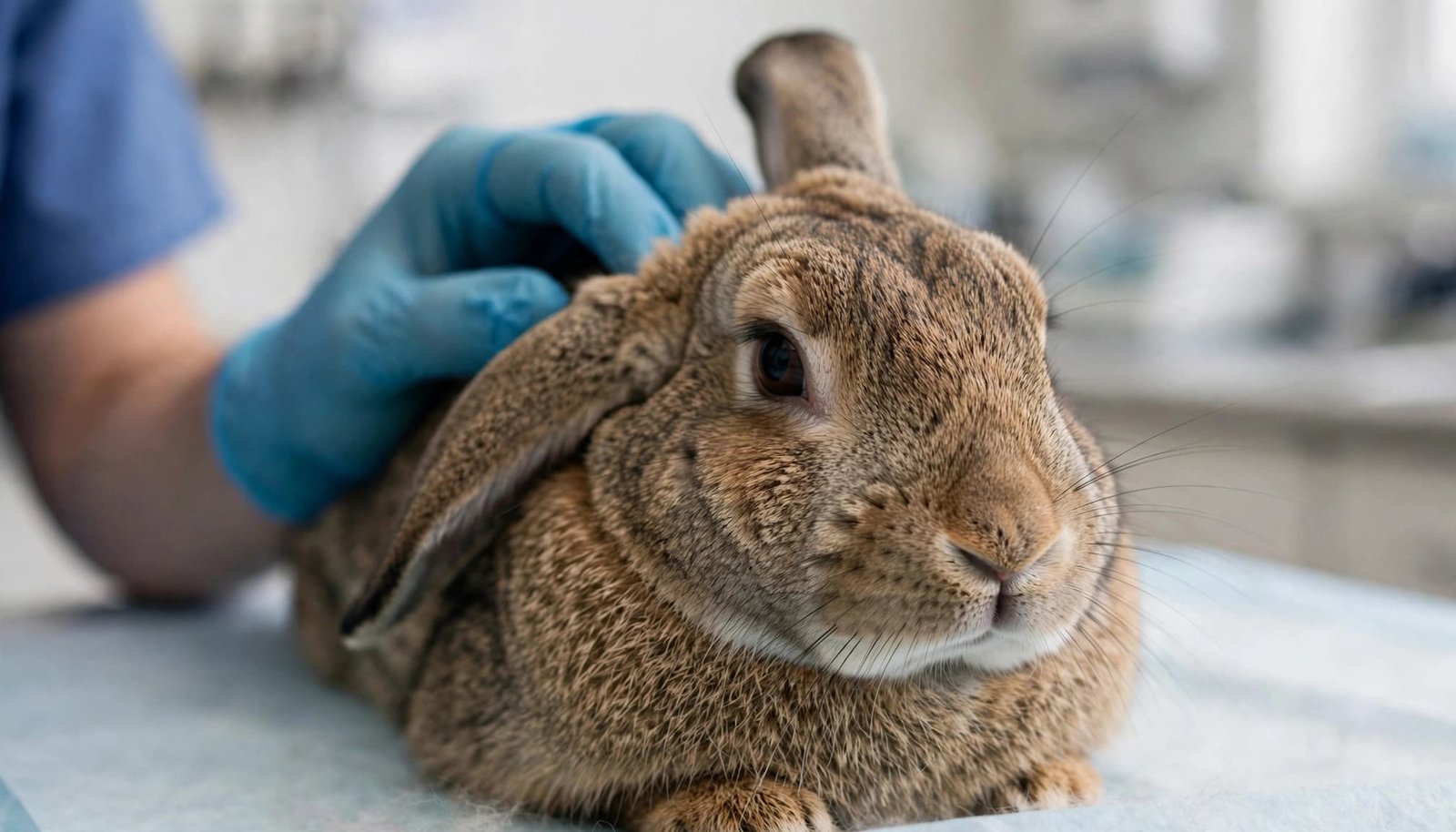
Contact a rabbit-savvy veterinarian promptly if your bunny eats less overall, produces smaller or fewer droppings, or has diarrhea. Explain when you first noticed the change and whether your rabbit still eats familiar foods. Tell the vet about any weight loss or changes in your rabbit’s weight.
If your rabbit stops eating or has markedly fewer or no droppings, seek urgent veterinary advice. Watery diarrhea also needs urgent attention. Contact a rabbit-savvy veterinarian if you’re unsure what you’re seeing. Don’t wait overnight to see whether a new variety works.
Rabbit.org’s GI stasis guidance explains the seriousness of stopped eating and fecal production. Gastrointestinal stasis means movement through the digestive tract has slowed greatly or stopped. Your rabbit needs assessment rather than a prolonged trial of feeding tricks.
Leave dental treatment to your veterinarian
Dental issues can make chewing difficult, and adding more hay won’t correct an established problem. Rabbit teeth grow continuously, but normal wear also depends on how the teeth meet.
Your veterinarian can examine your rabbit’s mouth and decide what treatment is needed. Suspected dental issues need veterinary assessment, not home tooth trimming or feeding tricks. Improper cutting can damage a tooth and injure the mouth.
If your bunny is struggling to eat, ask the veterinarian about appropriate temporary feeding support. Don’t substitute dental chews or hay-based treats for an examination. Those products can’t establish why your rabbit has stopped grazing.
Frequently Asked Questions
Does my rabbit have to eat timothy hay?
No. If your rabbit readily eats another suitable grass hay, such as orchard, meadow, or oat hay, that can be a suitable option. Regular hay consumption matters more than choosing one particular variety.
What can I try if my rabbit ignores a batch of timothy hay?
Offer a fresh handful and check that the hay is clean and easy to reach. You can also offer a small amount of another grass hay beside the familiar hay and watch what your rabbit eats. Consider it could be a brand or cut issue. Our article on different cuts of hay provides further info on this.
Should I change my rabbit’s food if they eat less hay?
First compare hay eating with your rabbit’s usual interest in pellets and greens, and check their droppings. Don’t reduce accepted foods to force hay eating, especially if your rabbit’s overall appetite has dropped.
When should I contact a veterinarian about hay refusal?
Contact a rabbit-savvy veterinarian if your rabbit eats less overall, has smaller or fewer droppings, or seems uncomfortable. Seek veterinary advice if your rabbit stops eating or produces markedly fewer or no droppings.
Help your rabbit keep grazing comfortably
Start with the six practical changes: refresh the hay, try another grass variety, improve access, offer a simple feeding setup, review pellet portions, and limit treats. Keep suitable grass hay freely available rather than trying to make your rabbit hungry enough to accept timothy.
Your most useful clues are actual eating and normal droppings. A rabbit that enjoys another grass hay may simply prefer it. A sudden refusal or reduced appetite needs a different response.
We only recommend top-rated, affordable products you can trust. As an Amazon Associate, I may earn from qualifying purchases through the affiliate links above at no extra cost to you. Thank you for supporting