
Rabbits are gentle, playful pets that bring a lot of joy to the home. They are also curious animals that may try to nibble anything they find. Because of this, rabbit owners need to know which foods are safe and which ones should stay away from their bunny’s bowl.
A healthy rabbit diet mainly includes unlimited hay, fresh leafy greens, a small amount of rabbit-safe vegetables, quality pellets, and clean water. Fruits can be offered as occasional treats, but they should never replace high-fiber foods.
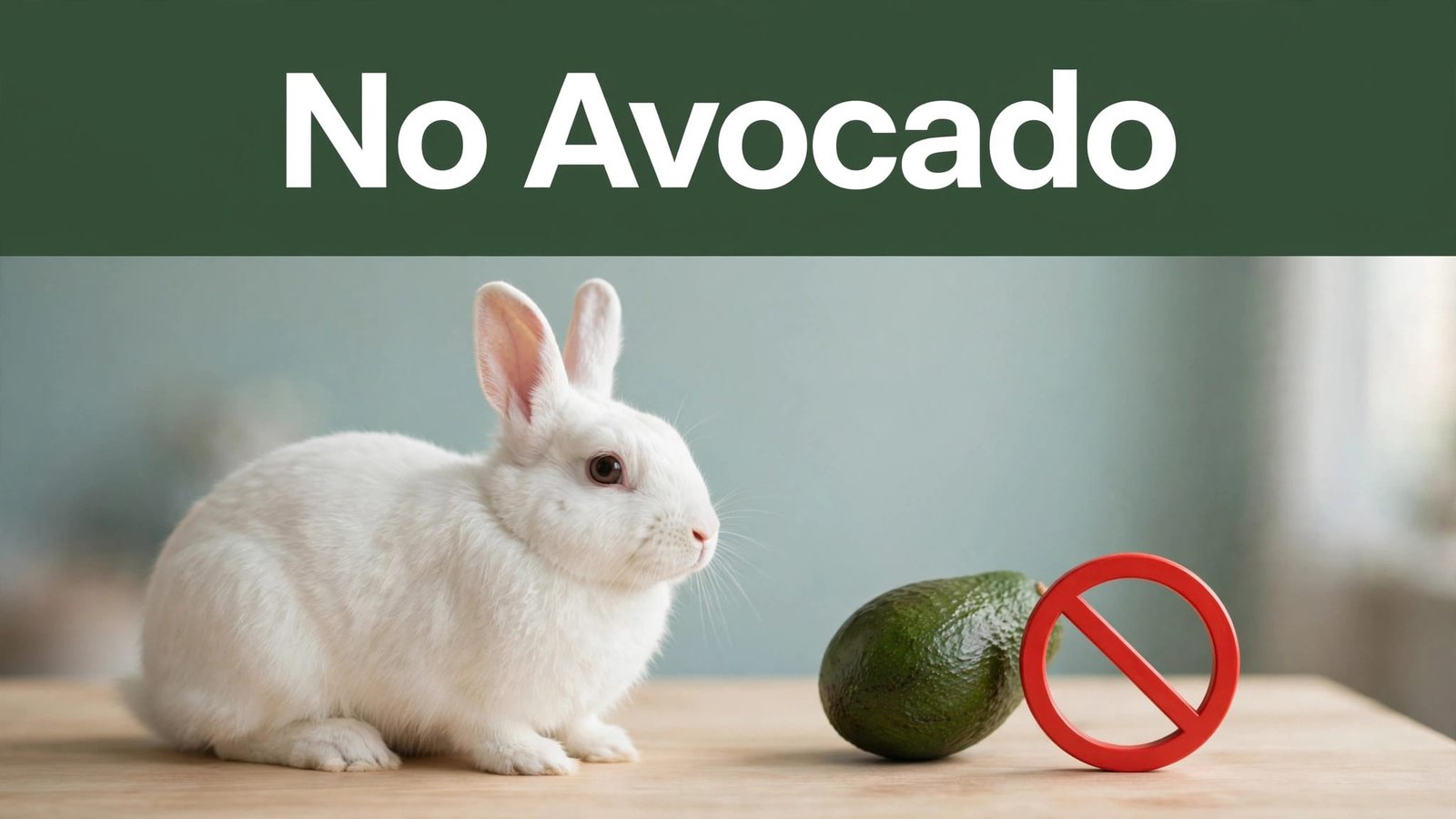
Avocado is a healthy food for people, but that doesn’t make it safe for rabbits. So, can rabbits eat avocado? No, rabbits shouldn’t eat avocado, including the flesh, skin, pit, or leaves.
Avocado contains persin, a natural compound that can be harmful to many animals. It is also high in fat and low in the fiber rabbits need for proper digestion. Even a small amount may cause health problems, so avocado is best kept completely out of your rabbit’s diet.
Why Is Avocado Unsafe for Rabbits?
There are several reasons avocado isn’t a safe treat for your rabbit.
Avocado contains persin
Persin is a natural substance found in avocado flesh, skin, leaves, and pits. Rabbits have sensitive digestive systems and may react badly to this compound. Possible signs of toxicity include:
- Lethargy
- Loss of appetite
- Bloating
- Diarrhea or other digestive changes
- Trouble breathing
- Unusual behavior
Serious reactions can become life-threatening. Since there is no safe amount of avocado to offer your rabbit, it’s better not to give any part of the fruit.
Avocado is high in fat
Rabbits need a low-fat, high-fiber diet. Their digestive system is designed to process grass and other plant foods that are rich in fiber, not fatty foods such as avocado.
The fat in avocado may upset your rabbit’s stomach and can add unnecessary calories to their diet. Regularly feeding high-fat foods may also contribute to weight gain and other health concerns.

Avocado doesn’t provide the fiber rabbits need
Fiber keeps a rabbit’s digestive system moving properly. Hay provides most of this fiber and should be available all day.
Avocado is not a good source of the long, coarse fiber your bunny needs. Feeding it may fill your rabbit up without supporting healthy gut movement. This can raise the risk of digestive problems, including gastrointestinal stasis.
What Happens If a Rabbit Eats Avocado?
If your rabbit eats avocado, watch them closely for any signs of illness. A reaction may include a lack of interest in food, low energy, stomach discomfort, bloating, diarrhea, or breathing problems.
Some rabbits may show symptoms quickly, while others may not show obvious signs right away. Contact your veterinarian or an emergency animal clinic as soon as possible, especially if your rabbit ate the skin, pit, leaves, or more than a tiny bite of the flesh.
Don’t wait for severe symptoms before asking for help. Rabbits can become seriously ill when they stop eating, so quick veterinary guidance is important.
While you wait for advice, remove all avocado from the area and keep your rabbit comfortable. Don’t try to make your rabbit vomit, as rabbits cannot vomit safely.
How to Stop Rabbits from Eating Avocado
A few simple habits can help keep avocado away from your furry friend:
- Store whole avocados in a closed cabinet or refrigerator where your rabbit can’t reach them.
- Never leave avocado on a low counter, table, or plate.
- Clean up peels, pits, and leftovers right after preparing or eating the fruit.
- Watch your rabbit if another pet or family member is eating avocado nearby.
- Tell everyone in the household that avocado isn’t a safe rabbit treat.
- Keep safe treats ready so your bunny isn’t tempted by food meant for people.
Rabbits are curious and may explore areas that seem out of reach. Keeping unsafe foods stored properly is one of the easiest ways to prevent an accidental nibble.

Safer Alternatives to Avocado for Rabbits
Your rabbit has many healthier food options. New foods should be introduced slowly and in small portions. This makes it easier to notice any digestive changes.
Leafy greens
Romaine lettuce, cilantro, parsley, kale, and basil can add variety to your rabbit’s daily meals. Offer different greens instead of feeding large amounts of only one type.
Spinach can be given occasionally, but it shouldn’t be the main green in your rabbit’s diet.
Rabbit-safe vegetables
Good options include:
- Bell peppers
- Zucchini
- Cucumber
- Broccoli leaves
- Carrot tops
- Celery leaves
Wash fresh produce before serving it, and remove any uneaten vegetables after a few hours.
Small fruit treats
Fruit is higher in sugar, so it should only be offered in small amounts. Safe choices include apple without seeds, blueberries, strawberries, and banana.
You can learn more about whether rabbits can eat strawberries. Fruit should be a treat, not a regular part of every meal.
Fresh herbs
Mint, dill, basil, and cilantro are flavorful choices that many rabbits enjoy. Herbs can make meals more interesting without adding the fat found in avocado.
How to Maintain a Healthy Rabbit Diet
A balanced diet helps support your rabbit’s teeth, digestion, weight, and overall health. Keep these basic feeding guidelines in mind.
Offer unlimited hay
Hay should make up most of your rabbit’s daily food. Timothy hay, orchard grass, and meadow hay are common choices.
Your rabbit should have access to fresh hay at all times. Chewing hay also helps wear down continuously growing teeth.
Give fresh leafy greens
Leafy greens provide moisture and nutrients. Offer a small portion of fresh greens each day, and rotate the types you serve.
Wash all greens before feeding them and remove anything that looks spoiled.
Add a small amount of vegetables
Vegetables can provide variety, but they shouldn’t replace hay. Introduce new vegetables one at a time so you can check how your rabbit’s stomach responds.
Limit fruit and pellets
Fruit contains natural sugar, so keep portions small and offer it only from time to time. Pellets should also be measured and chosen for rabbits, with no added seeds, nuts, or colorful sugary pieces.
The correct pellet amount depends on your rabbit’s size, age, weight, and life stage. A rabbit diet calculator can help you plan portions, but your veterinarian can provide personal guidance for rabbits with special health needs.
Provide clean water
Your rabbit needs fresh water every day. Water can be offered in a sturdy bowl or a clean bottle. Check it often and replace it daily.
Frequently Asked Questions
Are leafy greens necessary for rabbits?
Yes. Fresh, rabbit-safe leafy greens add important nutrients and water to the diet. Hay should still make up most of your rabbit’s food, but greens are a helpful daily addition.
Can rabbits eat every type of vegetable?
No. Onions, garlic, potatoes, and several other foods can be unsafe for rabbits. Research each new food before offering it, and ask your veterinarian if you’re unsure.
How often should I change my rabbit’s food?
Provide fresh hay and clean water every day. Fresh greens and vegetables should also be checked and replaced daily. Remove food that is wilted, spoiled, or left uneaten for too long.
Can rabbits eat rabbit pellets?
Yes, rabbits can eat quality rabbit pellets in limited portions. Pellets should support the diet, not replace hay and fresh greens. Avoid products that contain seeds, nuts, dried fruit, or added sugar.
What is the best water source for rabbits?
Fresh, clean water should always be available. Some rabbits prefer a bowl, while others use a bottle. Whichever option you choose, clean it regularly and change the water every day.
What should I do if my rabbit ate avocado?
Remove the avocado and call your veterinarian for advice. Watch for loss of appetite, low energy, bloating, diarrhea, breathing problems, or other unusual behavior. If your rabbit seems seriously ill or stops eating, seek emergency veterinary care.
Conclusion
Avocado isn’t a safe food for rabbits. Its persin content, high fat level, and lack of useful fiber make it a poor choice for your bunny. Keep the flesh, skin, pit, leaves, and leftovers away from your rabbit.
Stick with unlimited hay, fresh greens, rabbit-safe vegetables, limited pellets, occasional fruit, and clean water. Introduce new foods slowly and watch your rabbit for changes in appetite, stool, or behavior.
With a simple high-fiber diet and careful food choices, you can help your long-eared friend stay active, comfortable, and healthy.

