
Rabbits are friendly, intelligent pets that bring a lot of joy to their owners. Since they are herbivores, rabbits need a diet based mainly on hay, fresh vegetables, leafy greens, and a small amount of fruit. A balanced diet helps support healthy digestion, strong teeth, and good overall health.
Most vegetables are safe for rabbits, but some foods can be too high in sugar or starch for their sensitive digestive systems. This is why many rabbit owners ask, “Can rabbits eat peas?” Are peas a healthy treat, or can they cause problems?
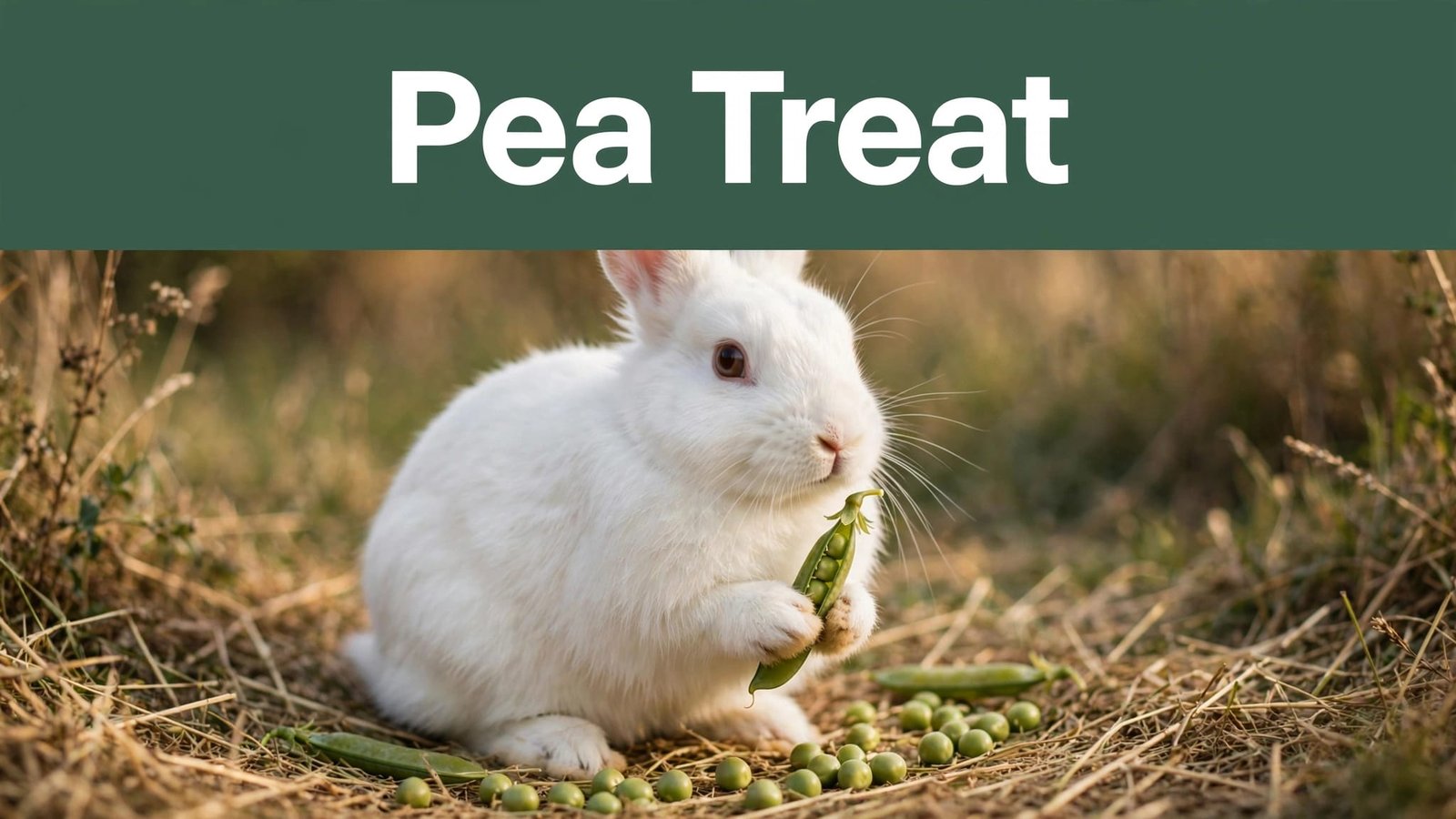
Peas aren’t toxic to rabbits, and they can be offered as an occasional treat. However, they contain more sugar and starch than many leafy greens, so portion size is important. This guide explains the nutrition, benefits, risks, and safest way to give peas to your bunny.
Nutritional Value of Peas
Peas contain several nutrients that can be helpful in a rabbit’s diet. One hundred grams of peas contains approximately:
- Carbohydrates: 14 grams
- Fiber: 5.1 grams
- Protein: 5 grams
- Sugar: 5.7 grams
- Vitamin A: 765 IU
- Vitamin C: 40 mg
- Vitamin K: 24.8 mcg
- Iron: 1.5 mg
- Calcium: 25 mg
- Magnesium: 33 mg
The fiber in peas supports normal digestion, while the vitamins and minerals help support general health. Still, peas contain more carbohydrates, sugar, and starch than many rabbit-safe greens. These nutrients are the main reason peas should only be offered in small amounts.
Understanding Your Rabbit’s Diet
A healthy rabbit diet should contain plenty of high-fiber hay, fresh leafy greens, a small serving of rabbit pellets, and clean drinking water.
Hay should make up most of your rabbit’s daily food. It provides the fiber needed for healthy gut movement and helps reduce the risk of digestive problems such as gas, bloating, and diarrhea. Chewing hay also helps wear down a rabbit’s teeth, which grow throughout its life.
Fresh vegetables add moisture, vitamins, and minerals to your rabbit’s meals. Dark leafy greens such as cilantro, kale, and dandelion greens are good choices because they are nutrient-rich and usually lower in sugar than peas or fruit.
Pellets should be given in a controlled portion because they are calorie-dense. Too many pellets can lead to weight gain and may reduce the amount of hay your rabbit eats. Fruit and sweeter vegetables should also remain occasional treats.
Fresh water must be available at all times. When hay, greens, pellets, and treats are offered in suitable portions, your rabbit can enjoy a varied diet without placing too much stress on its digestive system. 
Are Peas Safe for Rabbits?
Yes, rabbits can eat peas in moderation. Fresh peas are not poisonous to rabbits and can be given as an occasional treat. They provide fiber, vitamins, minerals, and plant-based protein.
The main concern is that peas have more sugar and starch than many other vegetables. Too many peas may cause digestive upset, including gas, bloating, soft stools, or diarrhea. Regularly giving large portions may also add too many calories to your rabbit’s diet.
Peas should never replace hay or leafy greens. A few peas once or twice a week is enough for most rabbits. The exact portion can depend on your rabbit’s size, age, health, and normal diet.
Fresh peas are the best choice. Avoid canned peas because they often contain salt, preservatives, or other added ingredients. If you use frozen peas, thaw them fully and allow them to reach room temperature before feeding them.
Possible Benefits of Peas for Rabbits
Peas can offer a few nutritional benefits when they are served in small portions.
Fiber for digestion
Peas contain fiber, which helps support normal movement through the digestive tract. Rabbits need a high-fiber diet to keep their gut working properly. However, hay is still a much better and more dependable source of daily fiber.
Vitamins and minerals
Peas contain vitamin A, vitamin C, vitamin K, iron, calcium, and magnesium. Vitamin A supports normal vision, skin, and immune function. The minerals in peas help support bones, muscles, and other body functions.
Rabbits can produce their own vitamin C, so peas aren’t necessary for meeting this nutrient need. Still, the small amount of vitamin C in peas can be part of an overall varied diet.
Plant-based protein
Peas contain more protein than many leafy vegetables. Rabbits need some protein for normal growth and body maintenance, but they don’t need large amounts. Hay and a balanced rabbit pellet usually provide the protein your rabbit needs.
Antioxidants
Peas contain plant compounds that help protect cells from damage. These benefits are helpful, but they don’t make peas a replacement for a complete rabbit diet. Peas should stay in the treat category. 
Risks of Feeding Too Many Peas
Peas are safe in moderation, but too many can create health problems.
High sugar content
Peas contain natural sugar. A small amount is usually fine, but frequent or large servings may add too much sugar to your rabbit’s diet. This can contribute to weight gain and may increase the risk of dental problems over time.
Starch and digestive upset
The starch in peas can be difficult for some rabbits to handle, especially when they eat too much at once. Overfeeding may lead to gas, bloating, soft stools, or diarrhea.
A rabbit’s digestive system depends on a healthy balance of gut bacteria. Sudden diet changes or too many starchy foods can disturb that balance. In serious cases, digestive problems may contribute to reduced gut movement, also called gastrointestinal stasis.
Too much protein
Peas contain plant-based protein, which is useful in small amounts. However, large amounts of protein can be unsuitable for rabbits, particularly older rabbits or rabbits with existing kidney problems.
If your rabbit has a medical condition, is overweight, or follows a special diet, speak with a rabbit-savvy veterinarian before adding peas.
How to Safely Feed Peas to Your Rabbit
Follow these simple steps when introducing peas to your rabbit:
- Start with one or two peas.
- Give the peas on their own instead of mixing them with several new foods.
- Watch your rabbit for the next day for changes in appetite, stool, or behavior.
- Stop offering peas if your rabbit develops diarrhea, bloating, discomfort, or a reduced appetite.
- If your rabbit handles peas well, offer only a small portion once or twice a week.
The safest peas are plain, fresh, and washed. Remove any dirt before serving them. Don’t add salt, butter, seasoning, oil, or sauce.
Avoid canned peas because of their added sodium and preservatives. Frozen peas can be used occasionally after they have been thawed completely. Don’t feed your rabbit peas that are still frozen or very cold.
Pea pods and pea shoots may not be suitable for every rabbit, especially if your bunny has a sensitive stomach. If you want to offer these parts, ask your veterinarian first and introduce only a very small amount. Plain peas are the simpler choice for an occasional treat.
Always keep hay and fresh water available. Peas should be a small addition to a diet that already includes plenty of hay and suitable leafy greens.
Other Healthy Vegetables and Treats
A varied diet gives your rabbit different nutrients and keeps mealtimes interesting. Along with peas, you can consider these rabbit-safe options:
- Leafy greens such as cilantro, parsley, kale, and dandelion greens provide fiber, vitamins, and minerals.
- Bell peppers are crunchy, low in sugar, and available in several colors.
- Carrots can be given as an occasional treat because they contain more sugar than leafy greens.
- Fresh herbs such as basil, mint, thyme, and oregano add flavor and can provide helpful plant nutrients.
- Small pieces of apple without seeds, strawberries, blueberries, and pears can be offered occasionally.
Wash all vegetables and fruit before serving them. Remove uneaten fresh food after a reasonable amount of time so it doesn’t spoil. Introduce one new food at a time, especially if your rabbit has a sensitive stomach.
Frequently Asked Questions
Can rabbits eat peas every day?
No. Peas should not be a daily food. They contain more sugar and starch than many rabbit-safe greens, so daily servings may cause weight gain or digestive problems. A few peas once or twice a week is enough for an occasional treat.
What signs show that peas upset my rabbit’s stomach?
Watch for diarrhea, soft stools, gas, bloating, reduced appetite, low energy, or changes in normal behavior. Stop feeding peas if you notice these signs. Contact a veterinarian if your rabbit stops eating, seems painful, or has ongoing digestive symptoms.
Are peas nutritious for rabbits?
Peas provide fiber, vitamins, minerals, antioxidants, and some protein. They can be a small part of a varied diet, but they shouldn’t be a main food. Hay and leafy greens are more important for your rabbit’s everyday nutrition.
Can I give my rabbit canned peas?
No. Canned peas often contain added salt and preservatives that aren’t suitable for rabbits. Plain fresh peas are a better option. Frozen peas can also be used after they have been thawed and brought to room temperature.
How many peas can a rabbit eat?
Start with one or two peas. If your rabbit has no digestive reaction, you can offer a few peas as an occasional treat. The right amount depends on your rabbit’s size, age, health, and complete diet, so smaller rabbits may need less.
What vegetables can rabbits eat instead of peas?
Rabbits can enjoy leafy greens such as cilantro, parsley, kale, and dandelion greens. Bell peppers, small amounts of carrot, and fresh herbs such as basil and mint are also common choices. Wash all produce before feeding it and introduce new foods slowly.
Conclusion
Peas can be a safe and tasty treat for rabbits when given in small portions. They provide fiber, vitamins, minerals, and antioxidants, but their sugar and starch content means they shouldn’t be part of your rabbit’s daily meals.
Keep hay as the main part of your bunny’s diet, offer fresh leafy greens regularly, and provide clean water every day. Give peas only occasionally, choose plain fresh or properly thawed peas, and watch your rabbit for any digestive changes.
A little variety can make meals more enjoyable for your furry friend. With careful portions and a balanced diet, peas can be a healthy occasional treat for a happy, active rabbit.

So,I like it
thanks for stopping by 🙂