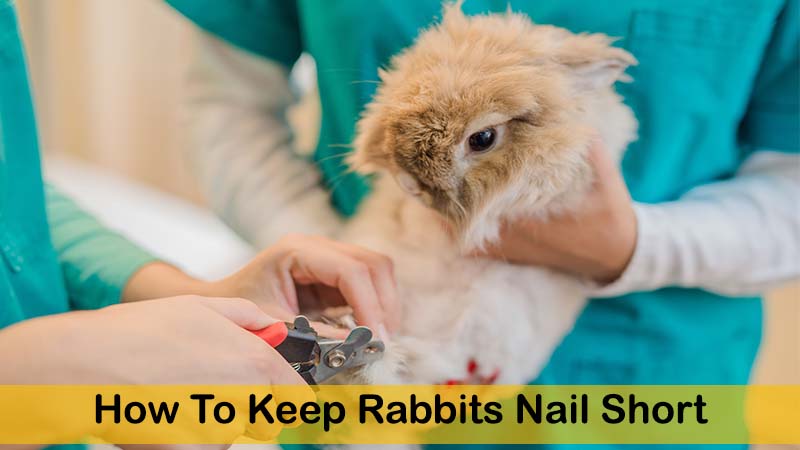
Rabbits are playful and active pets, but they depend on us for proper care. Looking after your rabbit’s nails is an important part of keeping your bunny comfortable, healthy, and able to move easily.
If your rabbit becomes nervous around nail clippers, you may wonder how to keep rabbit nails short without cutting them. The good news is that daily movement, safe flooring, play, and gentle filing can help reduce nail length. However, some rabbits still need regular trimming from a careful owner, veterinarian, or professional groomer.
Why Are Short Nails Important for Rabbits?
Long rabbit nails can curl, split, or catch on carpets and toys. They may also change the way your rabbit walks and make hopping uncomfortable. In some cases, an overgrown nail can grow into the foot and cause pain, wounds, or infection.
Short, well-maintained nails help your rabbit walk, run, jump, and explore more comfortably. Regular nail checks also help you notice problems before they become serious.
Also Read: Lop-Eared Bunny Guide: Types, Appearance, Care
Natural Ways to Help Keep Rabbit Nails Short
Encourage Natural Wear Through Play
Rabbits love to play, dig, toss, and explore. These activities keep your bunny active and can create some natural nail wear as the nails touch safe toys and surfaces.
Offer rabbit-safe toys such as:
- Untreated wooden toys
- Willow sticks
- Cardboard boxes
- Digging boxes filled with plain paper
- Tunnels and activity toys
- Safe toys made for tossing or chasing
Choose toys that are made for rabbits and don’t contain small parts, loose strings, paint, or materials your rabbit could swallow.
Play may help slow nail growth, but it might not keep every rabbit’s nails short enough on its own. Check the nails regularly so you know whether your rabbit needs additional care.
Provide Safe Flooring
The flooring in your rabbit’s living area can affect nail wear and foot health. A solid surface with a little texture can help the nails wear down as your rabbit walks and plays.
Good choices can include:
- Textured vinyl
- Secure, low-pile carpet
- Washable cotton mats
- Dry outdoor grass
- Firm, non-slip flooring
Avoid wire flooring and very rough surfaces. Rabbits don’t have paw pads like dogs and cats, so hard or abrasive flooring can cause sore hocks and painful skin damage. Loose-loop rugs can also catch a rabbit’s nails, so choose a secure covering without loops.
Concrete and asphalt may wear nails, but they can be too hard and rough for regular rabbit exercise. If your rabbit spends time outside, supervise them closely and choose a clean, safe surface instead.
Give Your Rabbit Daily Exercise
Daily movement supports your rabbit’s general health and may help the nails wear naturally. Your bunny doesn’t need a human-style exercise routine. Hopping, running, digging, and exploring are all useful activities.
You can create a safe exercise area with tunnels, boxes, toys, and simple obstacles. Let your rabbit move at their own pace, and always check the area for cords, sharp objects, unsafe plants, and small items.
Regular activity also helps reduce boredom and supports a healthy body weight. A rabbit that moves more often may experience more natural contact between the nails and the floor.
Try Fun Activities for Nail Wear
You can make exercise more interesting with simple activities such as:
- Setting up a small tunnel course
- Hiding hay in a cardboard box
- Offering a supervised digging box
- Placing safe toys around a playpen
- Creating a short path with secure mats
- Letting your rabbit explore a clean, rabbit-proofed area
Don’t force your rabbit to run or walk on an uncomfortable surface. If your bunny avoids a floor, limps, or seems nervous, move them to a softer and safer area.
Diet and Nutrition for Healthy Rabbit Nails
Feed a Balanced Rabbit Diet
A healthy diet supports strong nails, skin, feet, and overall health. Unlimited grass hay, such as timothy or meadow hay, should be the main part of most adult rabbits’ diets. Fresh leafy greens, a suitable amount of pellets, and clean water are also important.
Hay helps wear down a rabbit’s continuously growing teeth, but it doesn’t directly file the nails. Nail length is affected more by genetics, activity, flooring, and regular grooming.
You can use a rabbit feeding guide to learn more about creating a balanced routine for your bunny.
Keep Fresh Water Available
Your rabbit should always have access to fresh, clean water. Proper hydration supports normal body function and helps your bunny stay healthy.
Check the water bowl or bottle every day. Clean it regularly and refill it whenever needed.
Gentle Grooming Techniques for Rabbit Nails
Use a Small-Pet Nail File or Sanding Block
Gentle filing can help smooth sharp nail tips and shorten the nails a little without using clippers. Use a nail file or sanding block designed for small pets, not a rough human file.
To make filing easier:
- Choose a calm, quiet place.
- Let your rabbit sit in a comfortable position.
- Hold one foot gently without squeezing it.
- File only a small amount from the tip.
- Take breaks if your rabbit becomes stressed.
- Give a treat and gentle praise after each short session.
Never file aggressively or hold your rabbit tightly. Rabbits can injure their backs if they struggle, so stop the session if your bunny starts twisting, kicking, or trying to escape.
Filing can reduce sharp tips, but it may not be enough for very long nails. The quick is the sensitive inner part of the nail that contains blood vessels. As nails grow longer, the quick can grow longer too, which makes it harder to shorten the nail safely.
Inspect Your Rabbit’s Nails Regularly
Check your rabbit’s nails every two to four weeks. Some rabbits need attention more often, while others may go longer between grooming sessions.
Look for:
- Nails that curl toward the foot
- Split or cracked nails
- Nails that touch the floor while standing
- Difficulty walking, running, or hopping
- Limping or avoiding movement
- Redness, swelling, or bleeding around the toes
- A change in your rabbit’s usual activity
If the nails are very long, don’t try to remove a large amount at once. Cutting or filing too far can injure the quick and cause bleeding.
When Should a Veterinarian Trim Rabbit Nails?
Natural nail wear and gentle filing may help, but they don’t replace professional care when your rabbit’s nails are overgrown or your bunny won’t cooperate.
Contact a rabbit-savvy veterinarian or professional groomer if:
- You don’t know how to handle the nails safely
- Your rabbit struggles strongly during grooming
- A nail is curled into the foot
- The nail is cracked, bleeding, or infected
- Your rabbit is limping or not using a foot normally
- The nails are too long to shorten safely at home
A professional can examine the feet, shorten the nails carefully, and check for sore hocks or other foot problems.
What Happens During a Professional Nail Trim?
During an appointment, the veterinarian or groomer will gently hold your rabbit and examine each nail. They may trim the nails with small-animal clippers or file them carefully, depending on the condition of the nails and your rabbit’s behavior.
They should work slowly and take breaks when needed. You can ask them to show you how to check the nails at home and how much length can be safely removed.
Frequently Asked Questions
How often should I check my rabbit’s nails?
Check your rabbit’s nails every two to four weeks. This gives you a chance to notice overgrowth, curling, cracks, or foot irritation early.
Can I keep my rabbit’s nails short without cutting them?
You can support natural nail wear with daily exercise, safe flooring, play, and gentle filing. Still, many pet rabbits need occasional nail trimming because indoor flooring may not wear the nails enough.
Can I use a regular human nail file?
A regular human nail file may be too rough or difficult to use. A small-pet nail file or sanding block is a better choice. File slowly and stop if your rabbit becomes stressed.
What are the signs that my rabbit’s nails are too long?
Long nails may curl, touch the floor, catch on fabric, or change the way your rabbit walks. Your bunny may also become less active, avoid hopping, or seem uncomfortable while standing.
Is it safe to trim rabbit nails at home?
It can be safe when you know how to hold your rabbit and avoid the quick. Cutting too far can cause pain and bleeding. If you feel unsure, ask a veterinarian or rabbit groomer to show you the proper method.
How can I make nail care less stressful?
Start in a quiet area and keep each session short. Handle your rabbit gently, offer a favorite treat, and give praise throughout the process. Begin with touching the feet before you try filing or trimming.
If your rabbit becomes very upset, stop and try again later. Never force a long grooming session.
The Takeaway
The best way to keep rabbit nails short without cutting is to combine daily activity, safe flooring, rabbit-friendly toys, regular nail checks, and gentle filing when needed.
Natural wear can help, but it doesn’t work the same way for every bunny. If your rabbit has curled nails, sore feet, bleeding, or trouble walking, contact a veterinarian. With regular care, your long-eared friend can stay comfortable, active, and happy.