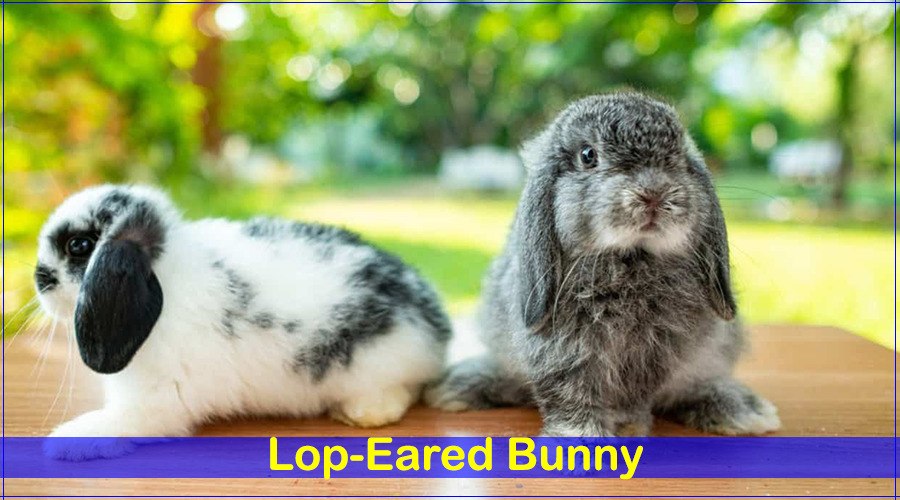
Lop-eared rabbits are known for their soft ears that hang down instead of standing upright. Their sweet faces, round bodies, and calm personalities have made them popular pets for many rabbit lovers.
Lop bunnies come in different sizes, colors, coat types, and personalities. Some are small enough to fit comfortably in a cozy indoor home, while others need much more room to play and move around. Most are gentle and social, but every rabbit still needs proper food, daily care, safe housing, and regular veterinary attention.
Lop-Eared Rabbit Breeds
Here is a quick look at some well-known lop-eared rabbit breeds:
| Breed | Main features |
|---|---|
| Holland Lop | Small, compact body, short coat, floppy ears, friendly personality |
| English Lop | Large body, very long ears, calm and gentle nature |
| Mini Lop | Stocky build, medium size, soft coat, outgoing personality |
| French Lop | Large and sturdy, long hanging ears, relaxed temperament |
| American Fuzzy Lop | Small body, lop ears, wooly coat, playful and social nature |
The size and personality of a lop rabbit can be different depending on its breed. It is always helpful to learn about the breed before bringing a bunny home.
What Do Lop-Eared Rabbits Look Like?
The most noticeable feature is the rabbit’s ears. Lop ears hang down beside the face instead of pointing upward. Some ears are short and rounded, while others are long enough to hang below the jaw.
Many lop-eared rabbits have round bodies, bright eyes, soft whiskers, and short fluffy tails. Their coats may be solid, spotted, shaded, or mixed with several colors. Some have short fur that is easy to groom, while others need more regular brushing because of their long or wooly coats.
Their adorable appearance is one reason they are so popular. Still, a cute face and floppy ears are only part of owning a rabbit. Lop bunnies need time, companionship, exercise, and careful health checks.
About Holland Lop Rabbits
The Holland Lop is one of the most popular small lop-eared rabbit breeds. Adult Holland Lops usually weigh about 2 to 4 pounds, although the exact size can vary.
These rabbits have compact, rounded bodies, short dense fur, and ears that hang on both sides of the head. They come in many coat colors and patterns. Their small size makes them a common choice for indoor homes, but they still need plenty of room to hop, stretch, and play.
Holland Lops are often friendly and social. Some are confident with people, while others may be shy at first. Gentle handling, quiet surroundings, and regular interaction can help a Holland Lop feel safe.
Their small size can make them look like easy pets, but they have the same basic needs as larger rabbits. They need unlimited hay, fresh water, suitable housing, safe toys, and rabbit-experienced veterinary care.
Do Lop-Eared Rabbits Make Good Pets?
Yes, lop-eared rabbits can make wonderful pets for adults and families. Many are calm, affectionate, and happy to spend time near their owners. They can also learn to use a litter box and enjoy simple games, toys, and daily playtime.
Rabbits are not usually pets that enjoy being carried around all day. Most prefer to sit beside you, explore their space, or receive gentle attention while their feet stay on the ground.
Before getting a lop bunny, be ready to provide:
- Fresh food and clean water every day
- A safe indoor pen or rabbit-proofed room
- Daily exercise and playtime
- Regular grooming
- Companionship and gentle interaction
- Annual checkups with a rabbit-experienced veterinarian
- Patience while your rabbit learns your routine
Children should always be supervised around rabbits. Teach children to sit on the floor, move slowly, and support the rabbit’s body when handling is needed. A rabbit should never be chased, pulled by the ears, or picked up without proper support.
Adopting from a rescue or shelter is another kind option. Many rabbits are waiting for safe, loving homes and can become wonderful family companions.
Important Things to Consider Before Getting a Lop Rabbit
A lop-eared rabbit can be a long-term family pet. Many rabbits live around 7 to 10 years with good care, and some live longer. Make sure your home, schedule, and budget are ready for that commitment.
Feeding
A healthy rabbit diet includes unlimited grass hay, a measured amount of high-fiber pellets, fresh leafy greens, and clean water. Hay supports digestion and helps wear down continuously growing teeth.
Housing
Your rabbit needs enough room to stand, stretch, hop, and take several steps. A small cage alone is not enough for daily living. Indoor housing should also protect your bunny from wires, toxic plants, unsafe foods, and other household dangers.
Chewing
Rabbits naturally chew. Rabbit-proof your home by covering electrical cords, blocking unsafe areas, and moving furniture that could be damaged. Untreated wooden toys, willow sticks, and other rabbit-safe chew items can provide safe activity.
Veterinary care
Choose a veterinarian who is comfortable treating rabbits. Routine visits can help catch dental, ear, weight, and other health problems early. A rabbit that stops eating, loses weight, drools, or becomes unusually quiet needs prompt veterinary attention.
Spaying or neutering
Spaying or neutering can help prevent unwanted litters and may reduce certain health and behavior problems. Ask your rabbit veterinarian about the right age and timing for the procedure.
Rabbit behavior
Rabbits communicate through posture, movement, sounds, and body language. A relaxed rabbit may flop onto its side, while a frightened rabbit may freeze, hide, or thump its back feet. Learning these signs helps you understand your bunny and create a calmer home.
Downsides of Having a Lop Bunny
Lop rabbits are lovely companions, but their ear shape can create extra health concerns. Because the ears fold over the ear openings, air movement may be reduced and wax or debris may collect more easily. Some lop rabbits are also more likely to develop ear canal narrowing and ear infections than rabbits with upright ears.
Dental disease is another concern. Rabbit teeth grow throughout life, and a low-fiber diet can allow the teeth to become overgrown or develop sharp points. Dental problems may affect the incisors or the back teeth, including the molars.
Possible problems include:
- A build-up of earwax or debris
- Ear canal inflammation
- Ear mites
- Bacterial or fungal ear infections
- Narrowing of the ear canal
- Overgrown teeth
- Sharp molar points
- Difficulty chewing
- Drooling or a wet chin
- Weight loss
Ear and dental problems can be painful. They may make it difficult for a rabbit to eat, hear, groom, or act normally. Lop rabbits need regular observation so small changes do not become serious problems.
How to Care for a Lop Rabbit’s Ears
Check your rabbit’s ears during normal grooming. Look for redness, swelling, crusts, a strong odor, heavy wax, discharge, or signs of pain. Head shaking, repeated scratching, a tilted head, and low energy can also point to an ear problem.
Do not place cotton swabs, sticks, or other objects inside the ear canal. These items can push debris farther inside or injure the delicate ear.
If the outer ear has a small amount of dirt, you can gently wipe it with soft gauze or a cotton pad. Only use an ear-cleaning solution recommended by your veterinarian. Some rabbits need occasional cleaning, while others should not have their ears cleaned unless a vet gives specific instructions.
Never ignore unusual discharge, a bad smell, swelling, or repeated scratching. These signs need a veterinary examination rather than home treatment.
Best Diet for Lop-Eared Bunnies
Lop-eared rabbits need the same basic diet as other domestic rabbits. Their diet should support healthy digestion and natural tooth wear.
Hay
Grass hay should make up most of your rabbit’s diet and should be available all day. Timothy, orchard, and meadow hay are common choices. Hay provides the fiber rabbits need for their digestive system and helps wear down their teeth.
Rabbit pellets
Choose high-fiber rabbit pellets and offer them in a measured portion. Pellets should support the diet, not replace hay. Too many pellets can contribute to weight gain and may reduce the amount of hay your rabbit eats.
Fresh greens
Offer a variety of rabbit-safe leafy greens after introducing them slowly. Romaine lettuce, cilantro, basil, and some other safe greens can be included in a balanced feeding routine. Wash fresh vegetables and remove anything your rabbit does not eat.
Water
Your bunny should always have clean, fresh water. Check the bowl or bottle every day and wash it regularly.
Treats
Fruit and commercial treats should be small and occasional because they often contain a lot of sugar. Avoid toxic foods, sugary snacks, and starchy human foods.
You can also check What to feed your rabbits for more feeding information.
Types of Lop-Eared Rabbits
Several recognized lop breeds are available, and each has different size, coat, and care needs.
French Lop
The French Lop is one of the largest lop breeds. Many weigh around 10 pounds, although size can vary. Their long ears hang down beside the face, and their bodies are large and sturdy.
Because of their size, French Lops need a spacious enclosure and a large exercise area. They are often calm and relaxed, but they still need daily movement to help prevent weight gain.
Mini Lop
Mini Lops have compact bodies, rounded heads, and soft floppy ears. They are larger than Holland Lops and can weigh around 5 to 6 pounds, depending on the rabbit.
This breed is known for a friendly and outgoing personality. Mini Lops are popular pets and are also commonly seen at rabbit shows. They need safe toys, daily exercise, and enough space to stretch and hop.
English Lop
The English Lop is known for its very long ears, which may hang below the jaw. It has a calm appearance and is often described as gentle and laid-back.
Those long ears need extra protection. They can be stepped on, caught under the rabbit’s body, or injured by rough flooring. English Lops need a clean, spacious living area where their ears can rest safely.
American Fuzzy Lop
The American Fuzzy Lop is a small lop breed with a soft wooly coat. It usually weighs around 3 to 4 pounds and comes in many colors and patterns.
This rabbit is often lively, playful, and social. Its wooly fur needs regular grooming to prevent mats and reduce the risk of hair ingestion. A gentle brush and frequent coat checks can help keep the fur healthy.
Holland Lop
Holland Lops are small rabbits with short fur, rounded bodies, and sweet-looking lop ears. Their friendly size and social nature make them a popular choice for indoor homes.
They still need a proper rabbit diet, enough space, and daily interaction. Their small body does not mean they need less care.
How Do You Care for a Lop-Eared Rabbit?
Caring for a lop-eared rabbit is similar to caring for other rabbits, with extra attention given to the ears and teeth.
A simple daily care routine includes:
- Provide unlimited grass hay and fresh water.
- Offer the correct amount of pellets and safe leafy greens.
- Check that your rabbit is eating, drinking, pooping, and acting normally.
- Give your bunny time outside the enclosure for safe exercise.
- Keep the litter box and living area clean.
- Provide toys for chewing, digging, tossing, and exploring.
- Brush the coat when needed, especially for long-haired rabbits.
- Check the ears for dirt, redness, swelling, odor, or discharge.
- Watch for changes in appetite, weight, energy, and behavior.
- Keep regular appointments with a rabbit-experienced veterinarian.
Rabbits are social animals, so time with their owners is important. Some rabbits also enjoy living with a properly bonded rabbit companion. Introductions should be slow and handled safely.
Frequently Asked Questions
What does lop-eared rabbit mean?
A lop-eared rabbit is a domestic rabbit whose ears hang down instead of standing upright. The ears may be short, medium, or very long depending on the breed.
How big do lop-eared rabbits get?
Lop breeds vary in size. Small breeds may weigh about 2 to 4 pounds, while larger breeds can weigh 10 pounds or more. Always check the expected adult size of the specific breed.
Are lop-eared rabbits good pets?
Yes, many lop-eared rabbits are gentle, social, and affectionate. They can be good pets for individuals and families who can provide proper housing, food, attention, and veterinary care.
How long do lop-eared rabbits live?
Many well-cared-for rabbits live about 7 to 10 years. A healthy diet, safe housing, regular exercise, and veterinary care can support a longer and healthier life.
What is the best food for a lop-eared bunny?
The main food should be unlimited grass hay. A balanced diet also includes measured high-fiber pellets, rabbit-safe leafy greens, occasional treats, and fresh water.
Do lop rabbits have more health problems?
Their folded ears can increase the risk of earwax build-up, ear infections, and ear canal problems. Some lop rabbits also develop dental disease. Regular checks and early veterinary care can help protect their comfort and health.
Caring for Your Lop-Eared Bunny
Lop-eared rabbits are gentle, funny, and full of personality. Their floppy ears make them easy to recognize, but their health needs deserve just as much attention as their appearance.
Feed plenty of hay, watch their weight, provide safe toys and exercise, and check the ears and teeth often. As you spend time with your bunny, you will learn what their relaxed, curious, worried, or unhappy behaviors look like.
With kind handling and proper daily care, your lop-eared rabbit can become a happy and loving member of the family.