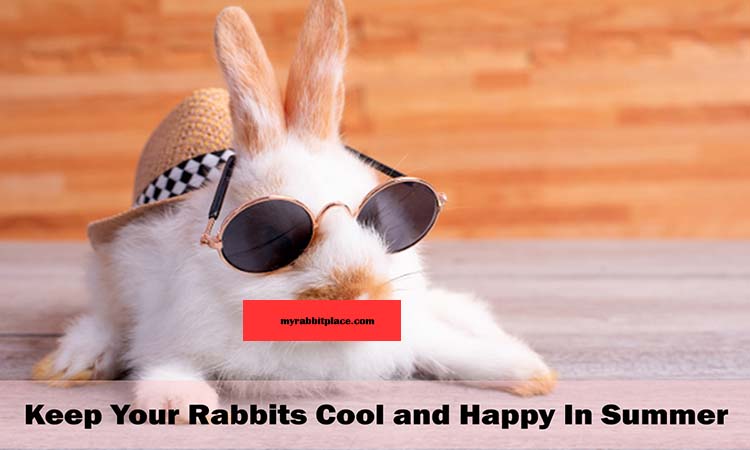
Keeping your rabbits cool in hot weather is important for their health and comfort. Rabbits have thick fur and don’t handle extreme heat well. When the temperature rises, your bunny can become dehydrated, stressed, or overheated.
In this guide, we’ll cover simple ways to care for rabbits in hot weather. You’ll learn how to provide shade, improve airflow, offer fresh water, choose safe cooling options, and recognize signs of heat stress.
For more helpful tips, visit our complete guide to taking care of rabbits.
At What Temperature Are Rabbits at Risk From Heat?
Rabbits can start to struggle when temperatures rise above 85°F (29.4°C). They can’t cool themselves as easily as people can. Their ears help release heat because they contain many blood vessels, but this may not be enough during very hot weather.
High temperatures can lead to dehydration, heat stress, and heatstroke. Check the temperature regularly and pay close attention to your rabbit on hot days.
Your rabbit should always have:
- A shaded resting area
- Good airflow
- Fresh, cool drinking water
- A safe place away from hot floors and direct sunlight
You can also use a rabbit-safe cooling mat or a frozen water bottle wrapped in a towel. If your rabbit has health problems or struggles in hot weather, contact your veterinarian for advice.
Provide Plenty of Shade
Your rabbit needs a shady area throughout the day. This is especially important in the afternoon, when the sun is usually strongest.
Outdoor rabbits should have a covered shelter where they can move away from direct sunlight. You can use a well-ventilated hutch, a shaded pen, or a safe area under trees. Check the shade during the day because the sun moves and may leave part of the enclosure exposed later.
A shaded area helps your rabbit rest comfortably and lowers the risk of overheating.
Learn here: How To Create a Rabbit Room
Improve Airflow
Shade alone isn’t enough if the air inside your rabbit’s living area becomes hot and still. Good airflow helps prevent heat from building up.
Keep the enclosure in a location with natural ventilation. If your rabbit stays indoors, use a fan to improve air movement, but don’t point strong, cold air directly at your bunny. For outdoor rabbits, make sure the hutch has open sides or ventilation areas that still protect them from rain and predators.
Never place a rabbit enclosure in a closed shed, garage, or small room with poor airflow on a hot day.
Use a Cooling Mat
A cooling mat can give your rabbit a comfortable place to lie down when the weather is hot. Many mats stay cool without needing electricity, which makes them easy to use.
Place the mat in a shaded part of the enclosure and allow your rabbit to choose whether to use it. Don’t force your rabbit to lie on the mat. Check it regularly for damage, especially if your bunny likes to chew.
A cooling mat should feel cool, not freezing. Follow the product instructions and choose one made for pets.
Add a Frozen Water Bottle
A frozen water bottle is another simple way to help your rabbit cool down. Fill a plastic bottle with water, freeze it, and wrap it in a towel before placing it near your rabbit.
Your bunny can lie beside the bottle when it feels hot. The towel helps protect your rabbit’s skin from extreme cold and keeps condensation from making the living area wet.
Use a strong, leak-free bottle and check it often. Replace it if your rabbit chews through it or if the plastic becomes damaged.
Keep Fresh Water Available
Rabbits need clean drinking water every day, especially during summer. Check the water bowl or bottle several times a day and refill it with fresh water when needed.
Water can become warm or dirty quickly in hot weather. Wash the bowl regularly and keep it in a shaded spot. Many rabbits prefer a heavy ceramic bowl because it is harder to tip over, but you can also provide a water bottle as a second option.
Having fresh water available helps protect your rabbit from dehydration.
Try a Damp Towel
A damp towel can provide a cool place for your rabbit to rest near. Wet the towel with cool water, squeeze out the extra water, and place it on the floor of the living area.
Don’t wrap the towel around your rabbit or soak your bunny’s fur. A wet coat can make some rabbits uncomfortable and may prevent proper airflow. Keep the towel clean and remove it if your rabbit starts chewing on it.
You can also place a cool, damp cloth near your rabbit’s resting area so your bunny can move closer or farther away as needed.
Keep Rabbits Away From Hot Surfaces
Hot pavement, concrete, metal, and wooden flooring can make your rabbit uncomfortable or burn their sensitive feet. Outdoor play areas should have shade and a cool surface.
Ceramic or marble tiles can provide a comfortable place to lie down. You can chill the tile for a short time, but don’t make it freezing cold. Check the surface with your hand before giving it to your rabbit.
Keep your rabbit away from hot decks, sunny patios, and other surfaces that hold heat.
Choose Summer Foods Carefully
Your rabbit’s main diet should still include unlimited grass hay, even during summer. You can also offer leafy greens and safe vegetables that contain some water.
Wash fresh produce before serving it, and introduce new foods slowly. Avoid giving too many fruits because they contain a lot of sugar. Never replace hay with vegetables or fruit.
Fresh food can add variety and water to your rabbit’s diet, but clean drinking water should always be available.
Also Read: What To Feed Your Rabbit

Don’t Use Ice as a Regular Treat
Some rabbits may lick or play with an ice cube, but ice isn’t necessary for cooling and can be too cold for some rabbits. It can also create a slippery, wet area in the enclosure.
A chilled ceramic tile, cooling mat, or wrapped frozen bottle is usually a better choice. If you offer a small ice cube, supervise your rabbit and remove it if your bunny seems uncomfortable. Never place ice directly against your rabbit’s skin.
Groom Your Rabbit Regularly
Brushing your rabbit helps remove loose fur and keeps the coat clean. This is especially helpful during warmer months when rabbits shed more heavily.
Long-haired rabbits may need more frequent brushing. Mats and thick clumps of fur can trap heat close to the skin. Brush gently and use grooming tools that are safe for rabbits.
Don’t shave your rabbit unless your veterinarian tells you to. A rabbit’s coat helps protect the skin from sunlight, and shaving can cause other problems.
Limit Play During the Hottest Hours
Avoid outdoor play during the hottest part of the day. Early morning and evening are usually more comfortable times for exercise and supervised play.
If your rabbit starts breathing heavily, becomes tired, or tries to lie flat on a cool surface, move them to a cooler area. Keep playtime short when the weather is hot, and always provide access to water and shade.
Skip Dust Baths
Rabbits don’t need dust baths. Dust can irritate their eyes and lungs, and rabbits usually clean themselves without them.
Instead, keep your rabbit’s living area clean and brush their coat regularly. If your rabbit’s fur becomes dirty, ask a veterinarian how to clean it safely. Avoid full water baths unless a vet gives you specific instructions, because wet rabbits can become cold and stressed.
Watch for Signs of Heat Stress
Pay close attention to your rabbit when the temperature rises. Signs of heat stress can include:
- Fast or heavy breathing
- Weakness or unusual tiredness
- Drooling or a wet chin
- Red or hot ears
- Refusing food or water
- Confusion or unsteady movement
- Lying flat and refusing to move
- Collapse or loss of consciousness
Move your rabbit to a cooler area if you notice these signs and contact a veterinarian right away. Rabbits can become seriously ill from heatstroke in a short time.

Create an Indoor Play Area
An indoor play area can help your rabbit stay active without spending time in the hot sun. Choose a cool room away from direct sunlight and place safe toys, tunnels, and chew items inside.
Make sure the room has good airflow, but don’t put your rabbit directly in front of an air conditioner or fan. Remove electrical cords, toxic plants, and other items your rabbit could chew.
Indoor play gives your bunny exercise and mental activity while protecting them from extreme outdoor temperatures.
Schedule Veterinary Checkups
Regular veterinary checkups help you catch health problems early. A veterinarian can also give you advice based on your rabbit’s age, breed, coat type, and health history.
Rabbits with long fur, breathing problems, obesity, or other health conditions may have a harder time in hot weather. Ask your vet how to keep your rabbit safe and comfortable during summer.
What Should You Do if Your Rabbit Has Heatstroke?
Heatstroke is an emergency. If you think your rabbit has heatstroke, move them to a cool, shaded area with good airflow and contact a veterinarian immediately.
You can gently cool your rabbit’s ears with a cloth dampened with cool water. Don’t use ice-cold water, place ice directly on the body, or immerse your rabbit in water. Cooling your rabbit too quickly can cause shock.
Place a wrapped frozen water bottle or cool pack nearby so your rabbit can move away from it if needed. Offer fresh water, but don’t force your rabbit to drink. Continue watching your bunny while arranging emergency veterinary care.
A rabbit that is struggling to breathe, collapsing, having seizures, or not responding needs immediate veterinary attention.
What Risks Do Rabbits Face in Hot Weather?
Hot weather can cause several health problems for rabbits, including:
- Dehydration
- Heat stress
- Heatstroke
- Loss of appetite
- Breathing problems
- Weakness
- Burns from hot surfaces
Rabbits can’t cool themselves as effectively as people, so they need help staying comfortable. Give your rabbit a shaded home with good airflow, fresh water, and a cool surface to rest on.
Check on your rabbit often during heat waves. Small changes in behavior can be an early sign that your bunny is having trouble with the heat.
FAQ
Why Is It Important to Keep My Rabbit Cool in Summer?
Rabbits can become dehydrated or overheated during hot weather. Serious overheating can lead to heatstroke, which may be life-threatening. Keeping your rabbit cool helps protect their health and keeps them comfortable.
What Signs Show That My Rabbit Is Too Hot?
Common signs include heavy breathing, low energy, red ears, drooling, refusing food, weakness, and lying flat. If your rabbit looks unwell or stops responding, contact a veterinarian immediately.
How Can I Create a Cool Living Space for My Rabbit?
Give your rabbit shade, fresh water, and good airflow. You can also add a rabbit-safe cooling mat, a wrapped frozen water bottle, or a cool ceramic tile.
Keep the enclosure away from direct sunlight, hot surfaces, and closed rooms with poor ventilation.
What Should I Feed My Rabbit in Summer?
Continue providing unlimited grass hay and fresh water. You can also offer safe leafy greens and vegetables in suitable portions.
Introduce new foods slowly and limit sugary fruits. Vegetables should add variety to your rabbit’s diet, not replace hay.
How Can I Recognize Heat Stress During Travel?
A rabbit experiencing heat stress may breathe heavily, refuse food, become weak, drool, or act unusually quiet. During travel, keep the carrier shaded and well-ventilated. Never leave your rabbit inside a parked car, even for a short time.
If your rabbit shows signs of overheating, stop in a cool, safe place and contact a veterinarian.
Conclusion
Keeping your rabbit cool in summer doesn’t have to be difficult. Provide shade, fresh water, good airflow, and a comfortable cool surface. Brush your rabbit regularly, avoid hot outdoor play, and check for signs of heat stress every day.
With these simple summer care tips, you can help your rabbit stay healthy, comfortable, and happy during hot weather.