Before adopting a rabbit, ask the rescue about health, personality, housing needs, companionship, and the adoption contract. Your most helpful rabbit adoption questions will also reveal whether your home, budget, and daily routine suit that particular bunny.
A cute face makes falling in love easy, but a good match needs a little planning. Start with your own care arrangements, then use the rescue’s answers to understand the rabbit you’re hoping to bring home.
Key Takeaways Before You Adopt
- Plan for daily care and a commitment of 10 years or longer, including holidays and changes in your household.
- Ask for health records, spay or neuter information, feeding instructions, and honest descriptions of behavior.
- Prepare indoor housing, rabbit-experienced veterinary care, and a clear companionship plan before bringing your bunny home.
You don’t need to know everything already. You do need a practical plan and a willingness to learn.
Rabbit Adoption Questions to Answer Yourself
Can you care for a rabbit throughout their life?
A domestic rabbit’s lifespan is seven to 10 years or more with good care. LA Animal Services tells prospective owners to expect rabbits to reach 10 years and older.
Think beyond your current schedule. Moving, changing jobs, starting a family, or going away shouldn’t leave your rabbit without dependable care.
Who will provide fresh food, clean the litter box, and notice changes in appetite? Choose a reliable holiday caregiver, too. Your bunny still needs daily observation when you’re away.
Is everyone in your household ready?
An adult needs to take responsibility for feeding, cleaning, grooming, expenses, and medical decisions. Children can help, but shouldn’t become the only caregivers.
Ask yourself whether everyone will enjoy a rabbit who prefers floor-level company over being carried. Many bunnies are affectionate without enjoying cuddles in someone’s arms.
Other pets need consideration as well. Tell the rescue about dogs, cats, and small children before choosing a rabbit. Ask, “Would this bunny feel safe in our household?” An honest answer helps protect everyone.
Does Your Home Have Safe Indoor Space?
Ask the rescue, “What housing does this rabbit need, and how much exercise are they used to?”
A roomy indoor exercise pen or rabbit-safe room is a helpful starting point. Check the usable floor space after adding the litter box, hay, bowls, and hiding place. Your bunny still needs room to move comfortably.

LA Animal Services’ adoption guidance recommends an exercise pen at least 30 inches high. Some rabbits need taller barriers, so height alone doesn’t make an enclosure suitable.
The agency also warns that temperatures in the 80s Fahrenheit and above can be fatal. Plan a cool indoor location and reliable cooling during hot weather.
Bunny proofing means protecting electrical cords and blocking unsafe gaps. Provide comfortable flooring, too. Our guide to setting up indoor rabbit space can help you arrange a useful home base.
What Will Your Rabbit Cost Each Month?
LA Animal Services estimates that rabbits can cost $100 or more per month, including veterinary care and vaccinations.
One US Reddit commenter estimated $100 to $150 monthly per rabbit for insurance, food, toys, and medical bills. That’s an individual experience, rather than a dependable price for every household.
Estimate your monthly cost for hay, greens, pellets, litter, housing, grooming supplies, and veterinary care. Keep routine spending separate from money available for unexpected treatment.
Ask the rescue, “What services are included in the adoption fees?” Spaying or neutering, vaccinations, and health assessments can affect what you’ll need to arrange afterward. Services vary by rescue.
Pet insurance also needs room in the budget if you choose it. You still need access to funds for care that isn’t covered.
Our guide to rabbit care costs explains the main expenses without treating every bunny’s needs as identical.
What Should You Ask About Health and Daily Care?
What medical care has this rabbit received?
Ask for the rabbit’s veterinary records and the dates of recent treatment. Useful questions include, “Are there any dental problems, recurring digestive issues, mobility difficulties, or ongoing medications?”
Ask whether their age is known or estimated, whether they’re spayed or neutered, and what vaccinations they’ve received.
A rabbit with a health condition may still be a lovely companion. You need a clear picture of the treatment, daily support, and expenses involved.
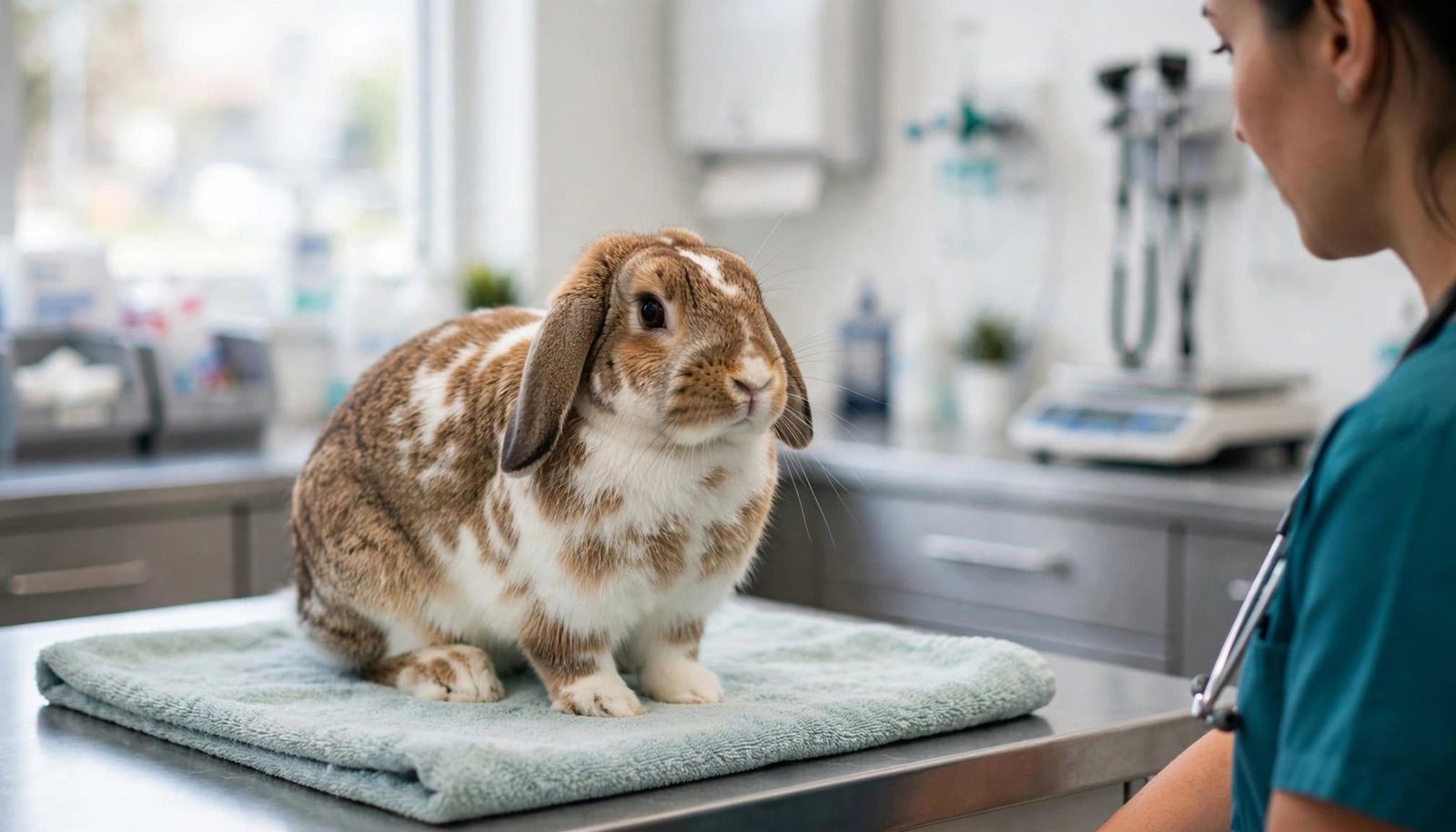
Ask which local vet regularly treats rabbits and where you can get emergency care after hours.
What does their normal daily routine look like?
Ask about the rabbit’s current routine for hay and pellets, greens, portions, and feeding times. Familiar food makes the move easier and helps you avoid sudden diet changes.
Ask what normal eating, activity, and droppings look like for this rabbit. GI stasis means digestion slows or stops, and early changes can be easy to miss. It can become fatal.
The Rabbit Welfare Association & Fund’s gut slowdown guidance treats lost appetite or stopped droppings as an emergency.
If your rabbit stops eating, refuses water, or stops producing droppings, contact a rabbit-experienced veterinarian immediately. Don’t wait for them to look seriously ill.
What Is This Bunny Like at Home?
How do they respond to people and everyday activity?
Ask, “What have you noticed in their foster home?” That often tells you more than a short meeting in an unfamiliar room.
Find out whether the rabbit approaches people, enjoys gentle strokes, hides around noise, or guards their belongings. Ask about grooming and carrier training, too.
A shy bunny may need patience rather than extra handling. Let the rescue help you choose a personality that suits your home.
Are you ready for chewing and changing litter habits?
Rabbit teeth grow continually. A proper hay-based diet supports tooth wear, while rabbit-safe chew items provide useful enrichment. Chew toys don’t replace dental care.
Litter training can also slip after a move because rabbits may mark unfamiliar territory.
A Stack Exchange adoption answer says most rabbits are surrendered between six and nine months, when adolescence may bring behavior changes. That’s a community claim, not a national shelter statistic, but it highlights why you should ask about hormonal behavior and neutering status.
Should You Adopt a Single Rabbit or a Bonded Pair?
Ask, “Does this rabbit already have a bonded companion?” An established pair should stay together.
Compatible rabbit companionship provides social contact that human attention can’t fully replace. An already-bonded pair can make adoption simpler because you aren’t beginning with two unfamiliar rabbits.
If you already have a bunny, ask about supervised matching, separate housing, and support during introductions. Unfamiliar rabbits can fight, so don’t put them together and hope friendship follows.
Special Bunny requires your existing rabbit to be spayed or neutered before adopting a companion. It also states that its rabbits are altered before adoption.
Ask what happens if a proposed match doesn’t work. Some rescues offer supported trials or foster-to-adopt arrangements, but these aren’t universal.
Your goal is a comfortable relationship for both rabbits, rather than choosing a companion by appearance alone.
What Does the Rescue Application Involve?
What will the rescue ask you to provide?
Expect questions about your housing, household members, other animals, previous experience, veterinary plans, and daily schedule.
The Special Bunny adoption process requires photos of prepared indoor housing before an application proceeds. It also excludes homes with a dog. That’s this rescue’s policy, not a rule shared by every organization.
Other rescues use different steps. Long Island Rabbit Rescue’s adoption procedure includes a phone interview, home visit, and adopter education.
Prepare the space before applying, and describe your household honestly. These conversations help the rescue assess whether a rabbit will feel safe with you.
What happens after adoption?
Ask who you can contact about settling in, feeding, behavior, or bonding concerns. Request written care instructions and a copy of the adoption agreement.
Read the return and rehoming terms carefully. Special Bunny’s contract says adopters must contact the shelter before giving the rabbit away.
Ask, “What should I do if I can no longer provide care?” A clear answer matters even when you fully intend to offer a lifelong home.
For the move itself, prepare a secure carrier and familiar supplies. Our guide to your rabbit’s first week home explains how to support a gentle adjustment.
Frequently Asked Questions
Where should you look for a rabbit to adopt?
Start with municipal shelters and rabbit-specific rescues. The House Rabbit Society also provides adoption services and rabbit-care education.
Humane Society guidance quoted by a Prescott veterinary clinic describes rabbits as the most commonly surrendered species after cats and dogs, largely because of people’s circumstances.
If you’re considering a breeder instead, look for clean facilities, healthy rabbits, an established relationship with a local veterinarian, and a written health guarantee.
Should you adopt a rabbit as an Easter gift?
Avoid an impulse adoption or surprise gift. LA Animal Services discourages Easter impulse purchases because rabbits need an informed, long-term commitment.
The person responsible for daily care should participate in choosing the rabbit. A thoughtful meeting with a rescue gives everyone time to consider the practical responsibilities before making a decision.
Give Your Adopted Rabbit a Prepared Home
The most useful rabbit adoption questions help you understand the individual bunny, not only the adoption process. Clear health information, suitable housing, and realistic care plans make the decision easier.
Take your time with the match and prepare before adoption day. Your long-eared friend deserves a home ready for their needs, with patient people who will enjoy getting to know them.