
Your bunny’s tiny nose can look busy even when the rest of them is sitting perfectly still. Rabbit nose twitching is among your pet rabbit’s natural behaviours, helping them smell and explore, and it’s usually normal.
The speed changes with your rabbit’s alertness and excitement. Understanding the whole picture helps you enjoy this sweet behavior without worrying about every wiggle.
Start with what that little nose is doing.
Why Do Rabbits Wiggle Their Noses?
Nose movement helps with smelling
Rabbits gather plenty of information through their olfactory senses, or sense of smell. Those little nose movements help open the nasal passages and bring scent-carrying air into the nose.
Your bunny uses smells to investigate food, familiar companions, and changes around the house. A fresh pile of hay or an unfamiliar cardboard tunnel gives that curious nose something to check.
You don’t need to encourage the movement or do anything to help it along. It’s a natural part of everyday rabbit behaviour.

Smelling helps rabbits explore safely
Rabbits are prey animals, so paying attention to their surroundings helps them stay safe. Smell is one part of that awareness, alongside hearing and vision.
Even in a comfortable home, your bunny may pause to investigate a visitor’s shoes or a newly moved object. Let them approach at their own pace.
That sniffing session is a chance to learn about something unfamiliar. It doesn’t automatically mean your rabbit is frightened.
What Does Rabbit Nose Twitching Speed Mean?
Faster twitching can mean curiosity or excitement
A busy nose often accompanies a busy bunny! Your rabbit may sniff more quickly while exploring, anticipating food, or paying close attention to something nearby.
Pasadena Humane’s rabbit body language guide describes curious rabbits with forward-pointing ears and faster nose twitching as they move closer to investigate.
However, faster movement doesn’t give you one definite answer about your rabbit’s feelings. An alert bunny might be interested, excited, or uneasy.
Fast twitching alone isn’t enough to identify stressed rabbits. Consider the situation and your rabbit’s other body cues.
Look at what just happened. Did you bring in fresh hay? Did a loud noise interrupt their rest? The situation helps you understand the movement.
Slower or less visible movement needs context
When your bunny settles down, their nose movement may become slower or harder to notice. A loose body and comfortable resting position help you understand that moment.
If the nose looks completely still, don’t decide that your rabbit is unhappy or sick based on that alone. Look at their posture, breathing, and usual behavior.
There’s no need to count every twitch. Comparing your bunny with their own everyday habits is more helpful than chasing a particular number.
Read Your Bunny’s Whole Body
The nose gives you one clue, but ears, eyes, posture, and movement add useful information. The RSPCA’s rabbit body language guidance explains how subtle these cues can be.
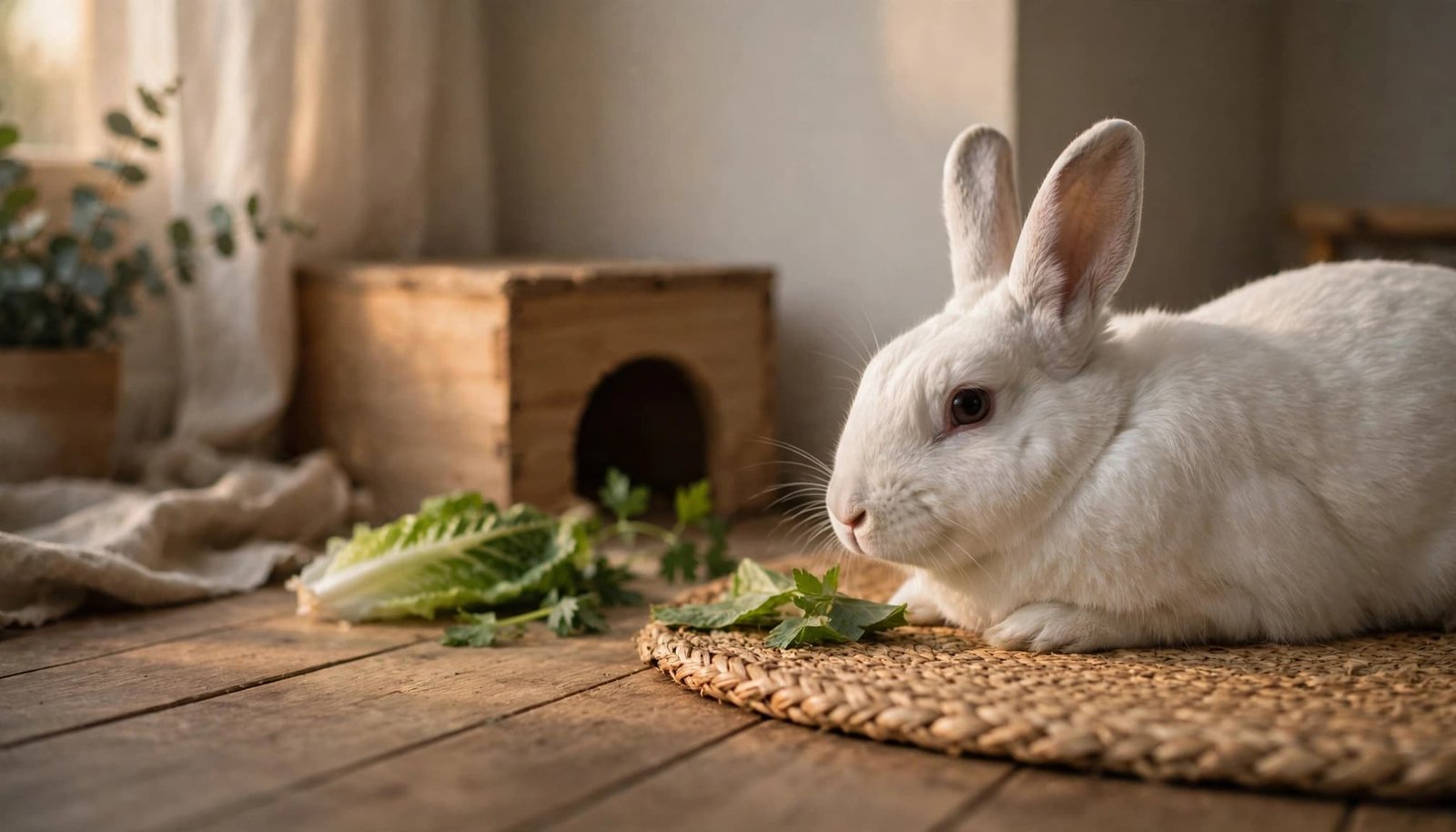
Happy rabbits may stretch out, groom, or flop onto their side. During play, a binky, when a rabbit pushes off with their back legs and jumps and twists, usually shows excitement and comfort. These are helpful signs your rabbit is happy, but consider the whole posture rather than one movement.
A frightened rabbit may freeze with wide eyes and tense muscles. Stillness can look quite different when the body is tight rather than relaxed.
If your bunny looks uncomfortable, stop the interaction. Give them room to retreat without blocking their way.
An Easy Way to Learn Your Rabbit’s Normal
Spend a little time watching your bunny without picking them up or leaning over them. Notice their nose while they explore, eat hay, and settle into a favorite resting spot.
Keep observations simple. If something changes, note what was happening and how long it lasted. Brief notes on eating, droppings, or behavior can help your vet assess rabbit health. A short video can help your veterinarian see what you noticed.
As a rabbit owner, make this part of your daily rabbit care routine rather than a separate nose-checking task.
Keep their space comfortable, with a quiet hideout and room to explore. Avoid smoke, aerosol sprays, and strong fragrances around your bunny, since these can irritate their airways.
When Should You Contact a Rabbit-Savvy Vet?
Normal nose wiggling alone doesn’t need treatment. Get veterinary advice if a change comes with repeated sneezing, nasal discharge, noisy breathing, or reduced energy.
Don’t assume a runny nose is an allergy. Different medical conditions can cause similar symptoms, so a rabbit-savvy vet needs to assess them.
Changes in appetite and droppings matter too. A rabbit that stops eating or produces very few or no droppings needs urgent advice. Hunching and loud tooth grinding are other signs your rabbit may be in pain.
Open-mouth breathing or obvious breathing difficulty is an emergency. Seek veterinary help immediately.
These warning signs concern your rabbit’s overall health, rather than the nose wiggle itself.
Key Takeaways
- Nose wiggling helps your rabbit smell and investigate their surroundings.
- Faster or slower movement needs context, including posture and what’s happening nearby.
- Changes in eating, droppings, or breathing deserve more attention than twitching speed alone.
Knowing your bunny’s usual behavior makes everyday care easier.
Frequently Asked Questions
Does nose twitching mean my rabbit loves me?
Nose movement alone doesn’t show affection. A bunny choosing to approach, relax beside you, or groom you gives you more information about their comfort.
Is a nose nudge the same as nose twitching?
No. Twitching is the small movement you see around the nose. A nudge involves your rabbit touching you with their nose.
A nudge may ask for attention or ask you to move. Watch what your furry friend does next.
Enjoy Getting to Know Your Bunny
That busy little nose helps your rabbit explore everyday life. You don’t need to read an emotion into every wiggle.
Focus on your bunny’s normal habits, along with their posture, appetite, and activity. With calm observation, you’ll become more confident about what your long-eared friend is telling you.